








A Sun Salutation Seen Around the World
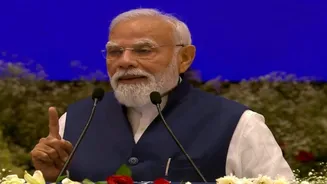
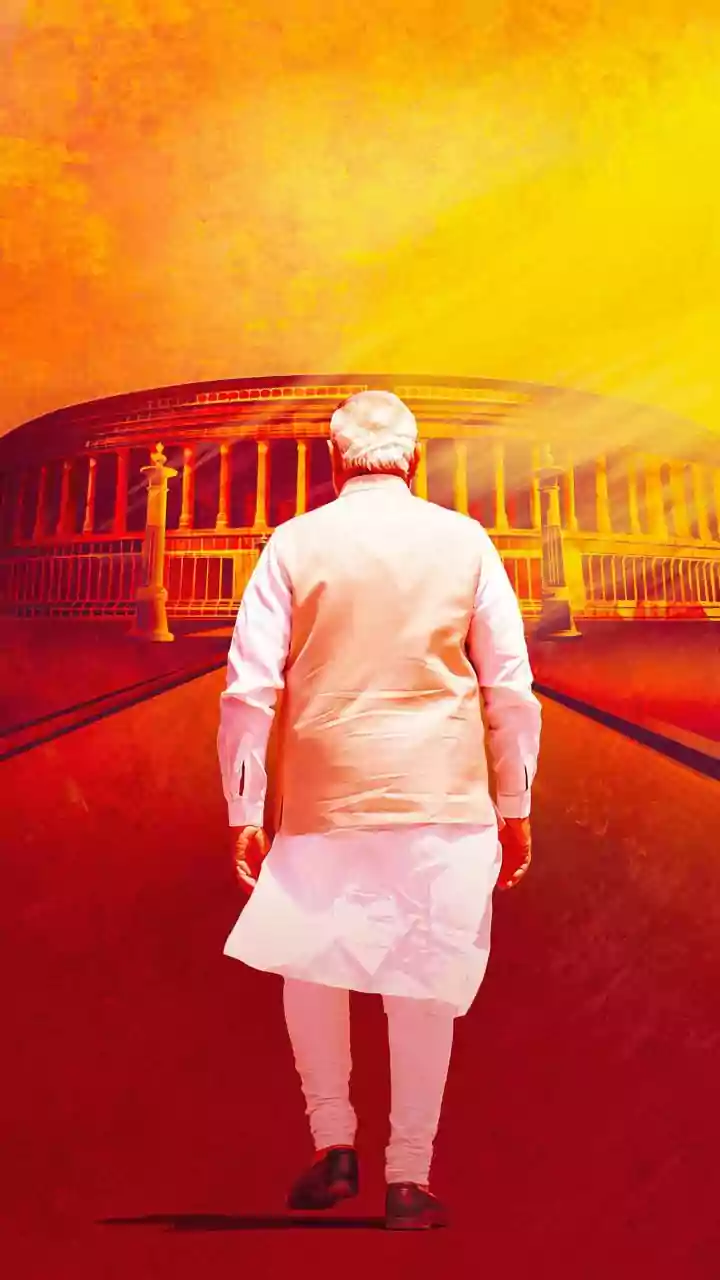
Picture this: Thousands of people moving in unison in Times Square. Yogis holding warrior poses against the backdrop of the Eiffel Tower. And at the epicenter of it all, massive, synchronized events across India, often led by Prime Minister Narendra Modi
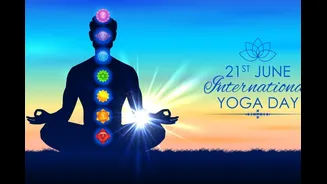
himself. Since its inception, International Day of Yoga has transformed into a stunning display of global participation. What started as an ancient spiritual and physical discipline has become the focus of a worldwide festival, with Indian embassies and cultural centers in over 100 countries organizing events, workshops, and demonstrations. This isn't just a grassroots wellness trend hitting its annual peak; it's a highly coordinated effort to place India, and one of its most cherished cultural exports, squarely on the world stage.
From Ancient Practice to UN Proclamation
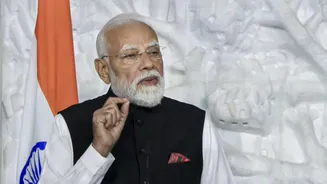
The establishment of an official day is a surprisingly recent development. In 2014, just months after taking office, Prime Minister Modi addressed the UN General Assembly. He didn't just speak of conflict or commerce; he proposed an international day dedicated to yoga, describing it as “an invaluable gift of India's ancient tradition” that embodies the unity of mind and body. The resolution he introduced was a stunning diplomatic success. It was co-sponsored by a record 177 member states and passed without a vote, officially designating June 21—the summer solstice in the Northern Hemisphere—as the International Day of Yoga. This swift, overwhelming support signaled the world’s readiness to embrace the practice, but it also marked a pivotal moment in India's strategy to formally claim and promote its cultural heritage.
The Soft Power of a Downward Dog
This global celebration is a masterclass in what foreign policy experts call “soft power”—the ability to influence others through attraction and cultural appeal rather than coercion or payment. For India, yoga is the ultimate soft power tool. In a world where American pop culture and Chinese economic influence often dominate, yoga provides India with a unique, universally recognized brand. It projects an image of peace, wellness, and ancient wisdom. By leading the charge, the Indian government is not just promoting a healthy lifestyle; it's building goodwill, strengthening diplomatic ties, and fostering a positive national identity. Every yoga mat unrolled in a foreign capital is a quiet victory for Indian cultural diplomacy, creating connections that transcend politics and economics.
Not Without Its Complexities
Of course, the journey of yoga from an ancient Indian philosophy to a global commodity is not without debate. As the practice has been commercialized in the West—think expensive yoga pants and goat yoga—some have raised concerns about cultural appropriation and the dilution of its spiritual roots. Back in India, critics occasionally voice concerns that the government's promotion of yoga, which has deep roots in Hindu philosophy, can feel exclusionary to the country’s diverse religious minorities, despite official messaging that presents it as a secular practice for well-being. These complexities highlight the tension that arises when a deeply personal and spiritual practice is adopted as a tool of national branding and international policy. It navigates a fine line between cultural celebration and political statement, between appreciation and appropriation.