





The Autumn We Knew Is Changing
An “Indian Summer” traditionally refers to a fleeting period of warm, hazy weather that appears in mid-to-late autumn after the first frost. It was a pleasant, poetic anomaly. Now, climate data suggests these warm spells are becoming longer, more intense,
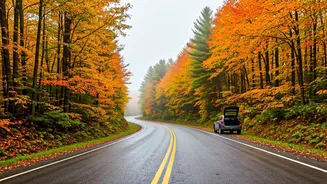
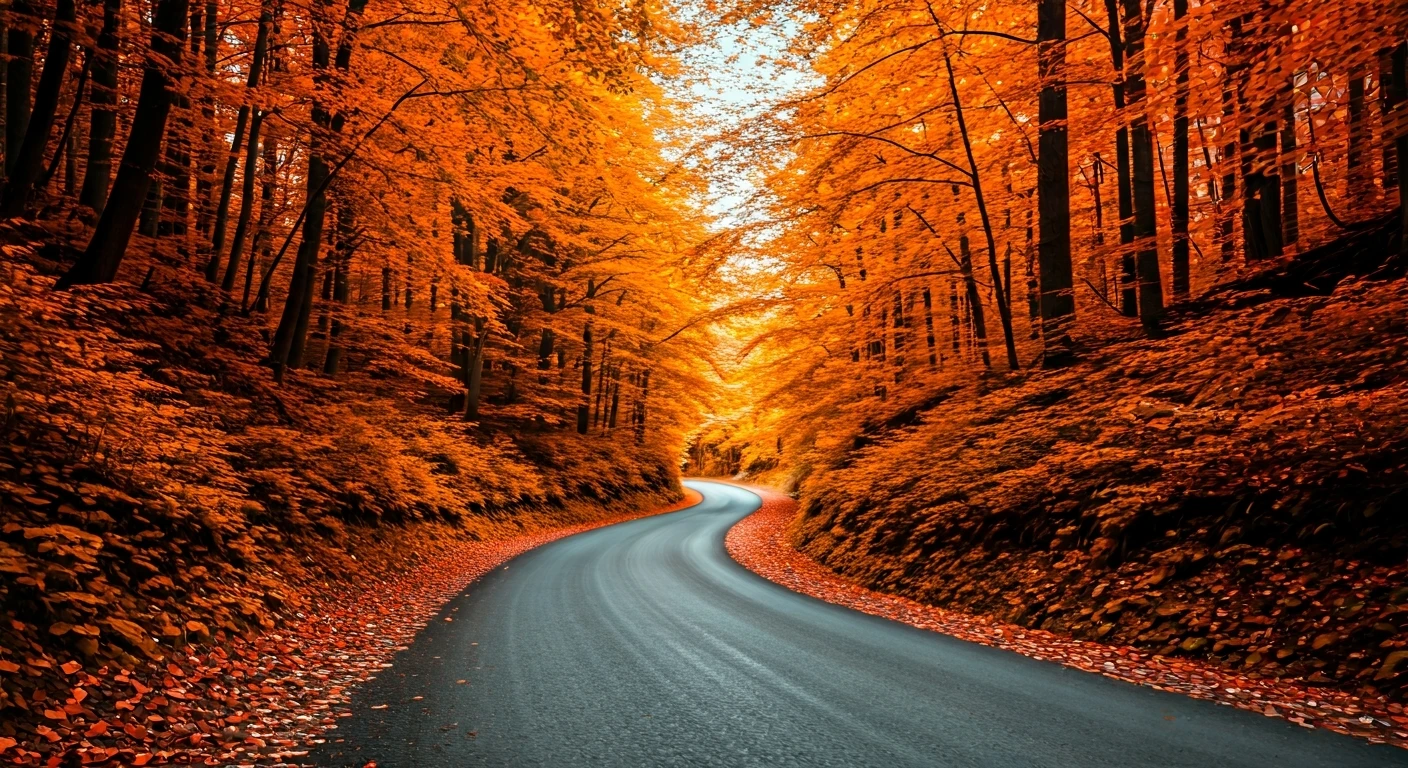
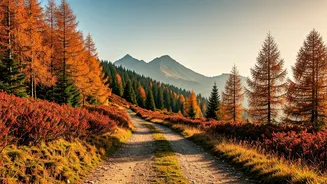
and arriving with less predictability. What was once a brief, welcome reprieve from the encroaching cold is increasingly just a delayed, hotter end to summer. This shift disrupts the natural rhythm of the season, pushing back the arrival of cool, crisp air that travelers associate with fall and, most importantly, delaying the vibrant foliage that millions plan trips around each year.
Your Old Foliage Calendar Is Obsolete
For decades, planning a trip to see peak fall colors was a reasonably safe bet. You’d book a cabin in Vermont for the first week of October or a drive along the Blue Ridge Parkway for the third, confident you’d hit the jackpot. That certainty is gone. Warmer September and October temperatures prevent the chemical processes that cause leaves to change color. Chlorophyll, which keeps leaves green, doesn't break down on schedule when nights stay mild. As a result, peak foliage is often delayed by a week or more in many traditional hotspots. Relying on historical peak dates is now a gamble; you might arrive to find a sea of green or, if you wait too long and a sudden freeze hits, a carpet of brown, having missed the spectacle entirely.
Strategy 1: Plan for Layers, Not Just Sweaters
The new autumn reality means packing requires more thought. A day can start with a chilly, 45-degree morning perfect for a fleece, transition to a sunny, 75-degree afternoon that feels more like summer, and end with a brisk evening. The key is dressing in versatile layers. Instead of packing bulky wool sweaters, think about a base layer (like a t-shirt), a mid-layer (a flannel or light fleece), and a weather-resistant outer shell (a windbreaker or packable puffer jacket). This approach allows you to adapt comfortably to the wild temperature swings, ensuring you’re not sweating through a hike or shivering at an outdoor dinner.
Strategy 2: Embrace Flexible Booking
In this era of climate uncertainty, flexibility is your greatest asset. Spontaneity is making a comeback, but with a strategic twist. Instead of locking in non-refundable plans months in advance, prioritize accommodations and flights with generous cancellation or change policies. This allows you to monitor real-time foliage trackers and short-term weather forecasts. Many travelers now wait until two or three weeks out to book, ready to pivot to a different region if their primary destination isn't cooperating. It requires more active planning, but it dramatically increases your chances of catching the season at its best.
Strategy 3: Rethink Your Destination and Timing
If the unpredictability of New England’s foliage season feels too risky, it might be time to broaden your autumn horizons. Consider destinations where fall color is driven by factors other than just temperature, like the golden aspens in Colorado and Utah, which change based more on daylight hours. Alternatively, explore higher elevations within traditional regions, as they tend to cool down and change color sooner. Another strategy is to shift your timing. The crisp weather and thinning crowds of early November now often deliver the experience travelers once sought in mid-October. This “shoulder season” shift can lead to lower prices and a more authentic trip.