



A Philosophy of Frugality, Not a Trend
The idea of “root-to-leaf” or “nose-to-tail” cooking has become a trendy talking point in modern, eco-conscious food circles. But in countless Indian households, it’s not a trend; it’s a Tuesday. For generations, this philosophy has been a quiet, unassuming
cornerstone of home cooking, born from a blend of economic prudence, resourcefulness, and a deep-seated cultural respect for food. Wasting any part of an ingredient is often seen as not just inefficient, but disrespectful to the farmer who grew it and the earth that provided it. This isn't about performative sustainability—it's an ingrained culinary wisdom that sees potential in every part of the plant.
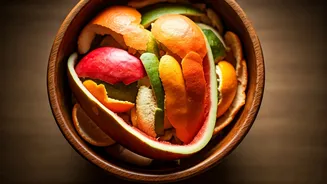
The Magic of the Discarded Peel
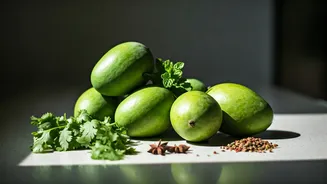
Consider the humble ridge gourd, known as *tori* in Hindi. While the soft flesh is used in curries, the fibrous, ridged peel is typically discarded in many cuisines. Not so in an Indian kitchen. Those very peels are often finely chopped and stir-fried with a tempering of mustard seeds, turmeric, and a pinch of chili powder to create *tori ke chilke ki sabzi*. The result is a surprisingly complex dish: slightly bitter, wonderfully savory, with a chewy-crisp texture that’s utterly addictive when eaten with flatbread. The same logic applies to potato peels, which are often sun-dried and fried into crispy snacks, or peels from bottle gourds, which are transformed into flavorful chutneys. These aren’t compromises; they are distinct, beloved dishes in their own right.
Beyond Peels: Stems, Seeds, and More
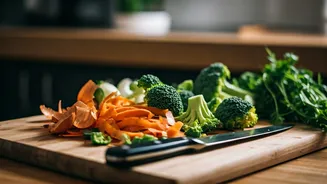
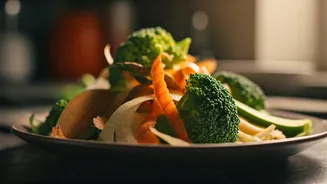
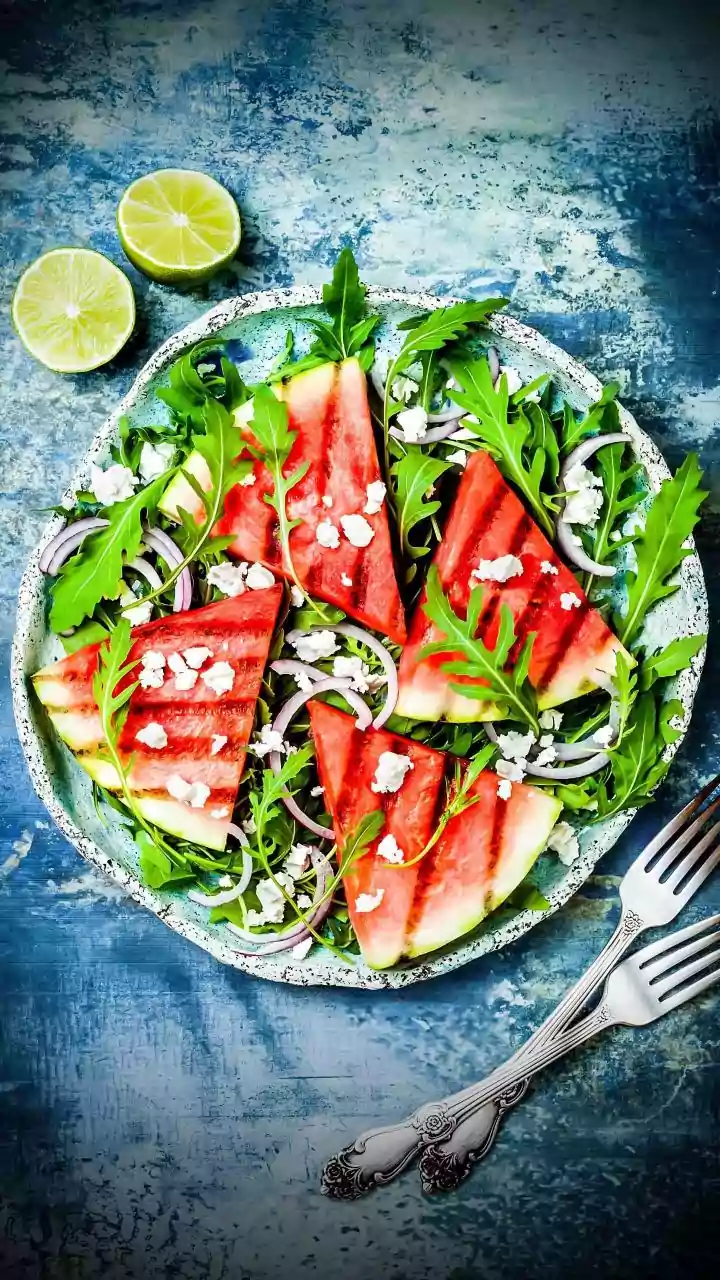
The resourcefulness extends far beyond peels. The thick, woody stalk of a cauliflower, often destined for the compost bin, is treated as a vegetable itself. It’s peeled, cubed, and added to curries and lentil dishes, where it becomes tender and absorbs the surrounding spices, adding bulk and nutrition. Broccoli stems are stir-fried, and the tough outer leaves of a cabbage are used to wrap fillings. Even seeds don't escape this delicious ingenuity. The seeds scraped from pumpkins or other winter squashes are washed, dried, and roasted with salt and spices for a crunchy, nutrient-packed snack. The whitish rind of a watermelon, typically seen as inedible, is used to make tangy pickles, sweet preserves (murabba), or even savory curries that have a texture similar to cucumber.
Flavor Is the Ultimate Reward
While the practice is rooted in thrift, the reason it endures is simple: it tastes good. These so-called scraps aren’t just filler. They offer unique textures and subtle flavors that are often lost when we only consume the most prized part of a vegetable. A potato peel has an earthiness the flesh lacks. A cauliflower stem has a sweetness that’s distinct from the florets. By using the whole ingredient, Indian home cooks aren’t just fighting waste; they’re building more complex, interesting, and layered flavors into their food. It’s a culinary masterclass in finding abundance where others see scarcity, proving that the most overlooked ingredients can sometimes be the most rewarding.