



Beyond the Hotel Lobby
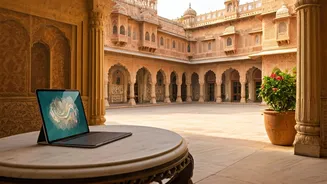
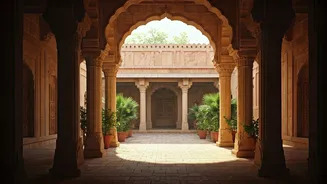
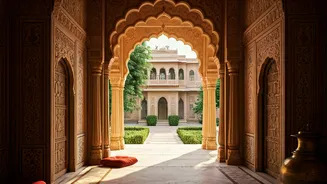
First, let’s get on the same page. When we talk about heritage stays, we’re not talking about your standard-issue Marriott. We’re talking about 'havelis'—historic townhouses or mansions, often adorned with intricate frescoes and built around a central
courtyard. These aren’t museums; they’re living, breathing buildings being transformed into some of the world's most unique boutique hotels. Imagine waking up in a room that was once a merchant prince's private quarters, with hand-painted walls and views of a bustling bazaar below. This is a world away from the impersonal nature of a global hotel chain. It’s intimate, story-driven, and deeply personal, often hosted by the very families who have owned the property for generations.
The New Preservationists
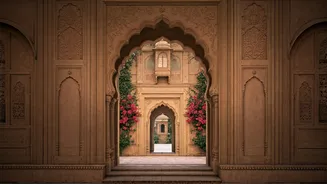
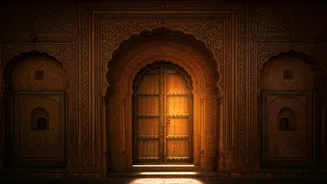
For decades, many of these architectural gems were crumbling, too expensive for their owners to maintain. But a new wave of entrepreneurs, designers, and—crucially—a younger generation of the owning families are stepping in. They see not just a piece of history to be saved, but a viable, compelling business. They are meticulously restoring these properties, honoring the original 'jaali' latticework and 'jharokha' windows while seamlessly integrating modern comforts like plunge pools, Wi-Fi, and chic cocktail bars. This isn’t a Disney-fied version of history; it’s a tasteful, modern revival. Places like The Johri or Samode Haveli aren't just hotels; they are masterclasses in adaptive reuse, blending Rajasthani craftsmanship with a global design sensibility.
The Post-Pandemic Traveler's Dream
The travel landscape has fundamentally changed. After years of being cooped up, American travelers aren’t just looking for a vacation; they’re craving an experience. The generic, all-inclusive resort feels flat. Instead, people want authenticity, connection, and a story to tell. They want to feel like they’ve discovered something special, not just followed a crowd. Jaipur’s heritage stays deliver this in spades. Each property has its own unique character, its own history, its own flavor of hospitality. Staying in one feels less like being a tourist and more like being a temporary resident, a guest in a magnificent home. It’s the ultimate antidote to cookie-cutter travel.
An Economic Engine of Authenticity
What makes this trend truly 'unstoppable' is that it works on every level. For travelers, it offers unparalleled authenticity. For owners, it turns a potential liability—a giant, aging family home—into a profitable asset. And for Jaipur itself, it’s a powerful engine for sustainable tourism. This model supports local artisans, employs community members, and preserves the city's architectural soul in a way that building a new high-rise never could. Government support for heritage tourism in Rajasthan has also greased the wheels, making it easier for owners to get the permits and backing they need. It’s a win-win-win situation, creating a stable foundation for long-term growth.
Why 2026 is the Tipping Point
So, why the focus on 2026? Think of it as the moment all these converging trends hit their stride. By then, the post-pandemic travel boom will have fully matured into a demand for deeper, more meaningful trips. A whole crop of new and refurbished havelis that began their restoration journey in the early 2020s will be fully established, having ironed out their operations and built a global reputation. Furthermore, ongoing infrastructure improvements in and around Jaipur will make accessing these often-hidden gems easier than ever. It represents a cresting wave—the point where the scene goes from a niche interest for in-the-know travelers to a defining feature of any luxury trip to India.