
Setting Up Your Balcony Oasis
Before you plant, take stock of your space. The most critical factor is sunlight. Most vegetables, including okra and gourds, need at least 6-8 hours of direct sun per day. Observe your balcony to see which spots get the most light. Wind can also be a challenge,
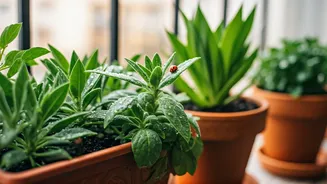
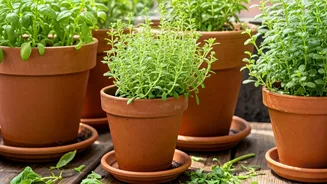
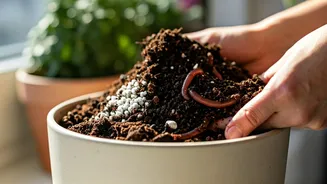
drying out soil and stressing plants, so consider a simple windscreen or positioning larger pots to shelter smaller ones. For containers, bigger is almost always better. Larger pots hold more soil, which means they retain moisture longer and provide more room for roots. A 5-gallon pot (about 12 inches in diameter) is a great starting point for most vegetables. Ensure every pot has drainage holes. Finally, don't use soil from your yard. Invest in a quality potting mix designed for containers; it's lightweight, sterile, and formulated for optimal drainage and aeration.
Spinach: Beating the Summer Heat
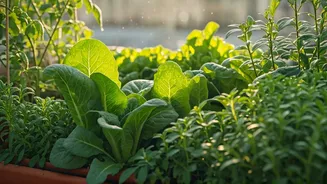
Traditional spinach is a cool-weather crop that tends to 'bolt' (go to seed and become bitter) in summer heat. Planting it in June is tricky in most of the U.S. But don't despair! You have two great options. First, seek out heat-tolerant spinach alternatives like Malabar spinach or New Zealand spinach. These are different species but offer a similar taste and texture, and they thrive in heat. Plant seeds about a half-inch deep in a wide, relatively shallow container (6-8 inches deep is fine). Keep the soil consistently moist. Your second option, especially if you live in a cooler northern climate, is to try a bolt-resistant variety of true spinach and place it in the shadiest part of your balcony that still gets a few hours of morning sun. Harvest the outer leaves frequently to encourage new growth and delay bolting.
Okra: Your Sun-Loving Superstar
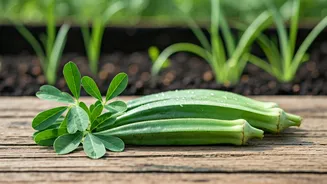
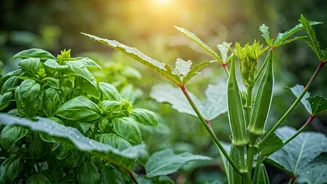
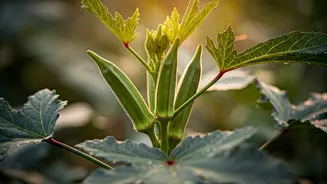
Okra was made for summer. This heat-loving plant is surprisingly well-suited for container life, provided you give it what it wants: sun and a deep pot. Choose a container that is at least 5 gallons, and preferably 7-10 gallons, as okra develops a long taproot. Dwarf varieties like 'Baby Bubba' or 'Cajun Delight' are ideal for patios. Soak the seeds overnight before planting to speed up germination, then plant two or three seeds one inch deep in the center of your pot. Once they sprout, thin to the single strongest seedling. Okra is relatively drought-tolerant once established, but in a container, you'll need to water deeply whenever the top inch of soil feels dry. You'll be rewarded with beautiful, hibiscus-like flowers followed by tender pods. Harvest pods when they are 2-4 inches long for the best flavor and texture.
Gourds: Thinking Vertically
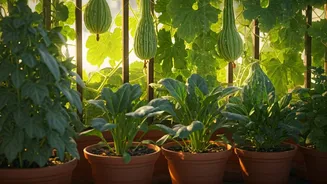
Growing vining plants on a balcony is all about using your vertical space. While a giant pumpkin might be too ambitious, many smaller gourds and squash are perfect for container growing. Look for small-fruited varieties like birdhouse gourds, small decorative gourds, or even compact summer squash like 'Patio Star' zucchini. The key to success is a large pot (10 gallons is a good minimum) and a sturdy trellis. You can buy a trellis or easily make one that fits into your pot or leans against a sunny wall or railing. Plant 2-3 seeds about an inch deep. As the vine grows, gently train it up the trellis, using soft ties if needed. The trellis keeps the plant tidy, improves air circulation (which reduces disease risk), and keeps the fruit off the balcony floor. It also creates a beautiful living wall of green.
Watering, Feeding, and Care
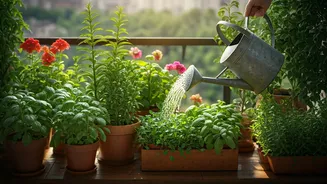
Container gardens dry out much faster than in-ground gardens, especially on a hot, windy balcony. Check your pots daily by sticking your finger an inch into the soil. If it's dry, it's time to water. Water thoroughly until it runs out the bottom drainage holes. Nutrients also leach out of pots more quickly with each watering. Your plants will need a boost. About a month after your seedlings are established, start feeding them with a balanced liquid fertilizer every 2-3 weeks, following the package directions. Keep an eye out for common pests like aphids. Often, a strong spray of water is enough to dislodge them. Growing in containers allows you to spot and solve these problems quickly.