





Dal: The Humble Hero
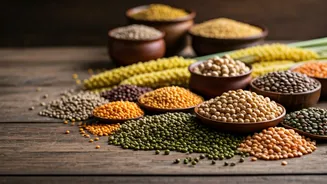
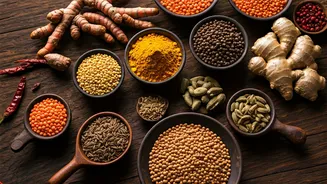
If there's one dish that embodies the heart of Indian home cooking, it's dal. This comforting, soupy dish made from lentils or other split pulses is a daily staple for millions. But beyond its soulful flavor, dal is a nutritional powerhouse. Lentils are
loaded with both soluble fiber, which helps manage cholesterol and blood sugar, and insoluble fiber, which promotes digestive regularity. A single cup of cooked lentils can provide over half of your recommended daily fiber intake. Whether it's a simple dal tadka (tempered with spices) or a richer dal makhani (made with black lentils and kidney beans), you're getting a major fiber boost. On menus, look for anything with 'dal' in the name and pair it with rice or roti for a complete, satisfying meal.
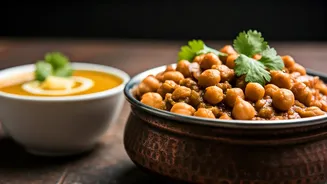
Chole: The Crowd-Pleasing Chickpea Curry
Known and loved across the globe, chole (or chana masala) is a robust curry made from chickpeas simmered in a tangy, spiced tomato-onion gravy. Chickpeas, also known as garbanzo beans, are champions of the fiber world. This makes chole an incredibly filling and satisfying dish that helps keep you full for hours, preventing mindless snacking. The fiber in chickpeas also feeds the good bacteria in your gut, contributing to a healthy digestive system. Many nutritionists point to chole as a perfect example of how a plant-based dish can be both incredibly flavorful and packed with essential nutrients. It's often served with puffy fried bread called bhature, but for a healthier, higher-fiber option, pair it with whole wheat roti or brown rice.
Roti/Chapati: The Whole-Grain Staple
While many American diners are most familiar with naan, the fluffy white-flour flatbread, the everyday bread in most Indian households is roti or chapati. Made simply from whole wheat flour ('atta'), water, and a pinch of salt, these unleavened flatbreads are a fantastic source of dietary fiber. Because they use the entire wheat kernel, they retain all the nutrients and fiber that are stripped away to make white flour. Swapping naan for a whole wheat roti is one of the easiest and most effective ways to increase the fiber content of your Indian meal. It's the perfect vehicle for scooping up dal, sabzi, or any other curry, adding a nutty flavor and wholesome texture that complements the main dish.
Baingan Bharta: The Smoky Vegetable Star
This dish proves that vegetables can be the undisputed star of the show. Baingan bharta is a smoky, flavorful dish made from eggplant that has been roasted or grilled over an open flame, mashed, and then cooked with tomatoes, onions, and spices. Eggplant is a great source of dietary fiber and is low in calories. The roasting process gives it a deep, complex flavor that is both unique and addictive. It's a fantastic way to enjoy a vegetable-centric dish that feels rich and indulgent. Because its main ingredient is a vegetable, it's naturally lighter than many cream-based curries while still delivering on flavor and fiber. It pairs beautifully with, you guessed it, a simple whole wheat roti.
Mixed Vegetable Sabzi: The Everyday Powerhouse
‘Sabzi’ is a general term for a cooked vegetable dish, and a mixed vegetable sabzi is a fixture on the Indian dinner table. It’s less of a specific recipe and more of a versatile template, often featuring a combination of whatever is in season—carrots, peas, potatoes, green beans, cauliflower, and bell peppers are common. These dishes are typically stir-fried or lightly curried with spices like turmeric, cumin, and coriander. By eating a variety of vegetables in one dish, you're getting a diverse range of vitamins, minerals, and different types of fiber. When ordering, look for 'mixed vegetable curry' or a specific sabzi like 'aloo gobi' (potato and cauliflower) to ensure your meal is packed with plant-based goodness and fiber.