




1. Dress for Humidity, Not Just Rain
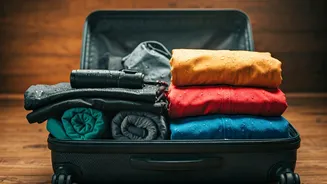
Your first instinct might be a classic raincoat, but in the oppressive humidity of a tropical monsoon, that’s a recipe for becoming a sweaty mess. The real enemy isn't just water from the sky; it's moisture that never evaporates. Ditch cotton and denim
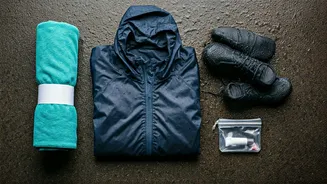
entirely—they absorb water, get heavy, and take forever to dry, leading to a musty suitcase. Instead, build your wardrobe around lightweight, synthetic, quick-dry fabrics (like those used in athletic wear) and merino wool. Merino is a miracle fabric for these conditions: it’s breathable, wicks moisture, and resists odor even when damp. A loose-fitting, long-sleeved technical shirt can offer better protection from sun and bugs than a stuffy jacket.
2. Choose Your Footwear Wisely
Keeping your feet happy is mission-critical. While waterproof hiking boots seem logical, they can become personal swamps if water gets in over the top—which it will. For many destinations, a better bet is embracing the wet. Think sturdy, open-toed sandals with excellent grip and adjustable straps (like those from Chaco or Teva). They get wet, but they also dry fast and won't trap water. If you need closed-toe shoes, look for trail runners with mesh uppers that drain quickly. Whatever you choose, a non-slip sole is non-negotiable. Paved surfaces become slick with rain, moss, and oil, turning a simple stroll into a hazard.
3. Waterproof Your Gear Like a Pro
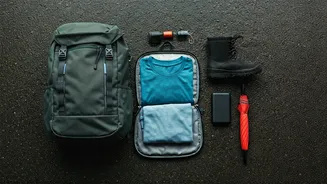
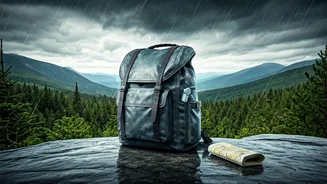
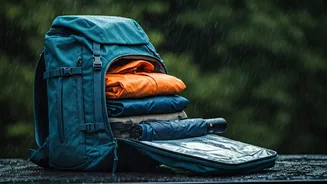
Assume everything you own is a candidate for getting soaked. A “water-resistant” backpack won’t cut it in a torrential downpour. The gold standard is a dry bag—a roll-top sack that creates a waterproof seal. You can use a large one as a backpack liner or get a dedicated dry-bag backpack. For smaller items, don’t underestimate the power of humble Ziploc bags. Use them for your passport, wallet, and portable charger. A pro tip: pack a few extra silica gel packets (the kind that come in new shoe boxes) and toss them in your electronics bag to absorb ambient moisture and fight condensation.
4. Adjust Your Health & Safety Kit
Monsoon season means more than just rain; it means a boom in the mosquito population. Mosquito-borne illnesses like dengue fever and malaria are serious risks in many tropical regions. Your travel kit must include a reliable insect repellent containing DEET or Picaridin. Beyond bugs, pack for dampness. Constant moisture can lead to skin irritation and fungal infections. A small container of anti-fungal powder for your feet can be a lifesaver. Also, add extra antiseptic wipes and band-aids to your first-aid kit for treating any minor scrapes or cuts promptly in an environment where infections can thrive.
5. Build a Flexible Itinerary
This might be the most important hack of all. During a monsoon, nature is in charge. Roads can flood, ferries can be canceled, and hiking trails can become impassable mudslides. Trying to stick to a rigid, minute-by-minute schedule is a surefire way to get stressed. Instead, embrace a slower pace. Build buffer days into your travel plans. Have backup indoor activities in mind, like visiting museums, taking a cooking class, or exploring local markets (many are covered). Think of the rain not as an interruption, but as a scheduled break for a cup of tea and a good book. This mental shift is key to enjoying your trip.
6. Look for the Silver (Lining)
Locals don't stop living during the rainy season, and you shouldn’t either. In fact, traveling during the monsoon has some incredible perks. The landscapes are transformed into a sea of lush, vibrant green. Waterfalls that are mere trickles in the dry season become thundering spectacles. The skies can be incredibly dramatic and beautiful, offering amazing photo opportunities. Best of all, you’ll be dealing with far fewer tourists. Popular sites are less crowded, and you can often find better deals on accommodations. It’s a chance to see a destination in its most vivid, atmospheric, and arguably most authentic state.