




The In-House Strategist: F&B Director
At the heart of any high-end hotel's reputation is its dining experience. The person orchestrating this is the Food and Beverage (F&B) Director. This isn't just a glorified restaurant manager; it's a senior executive role that sits at the intersection
of taste and finance. An F&B Director is responsible for everything from crafting the culinary identity of multiple venues within a single property—from the lobby bar to the fine-dining flagship—to managing multi-million dollar budgets. They work with chefs to develop menus, with sommeliers to build wine lists, and with suppliers to source unique ingredients. Their travel often involves visiting other properties within their hotel group to ensure brand consistency or attending international food and wine trade shows to spot the next big trend. This role requires a deep understanding of hospitality operations, financial acumen (managing profit and loss is key), and an impeccable palate. It's less about enjoying the meal and more about ensuring thousands of guests do.
The Global Curator: Culinary Travel Specialist
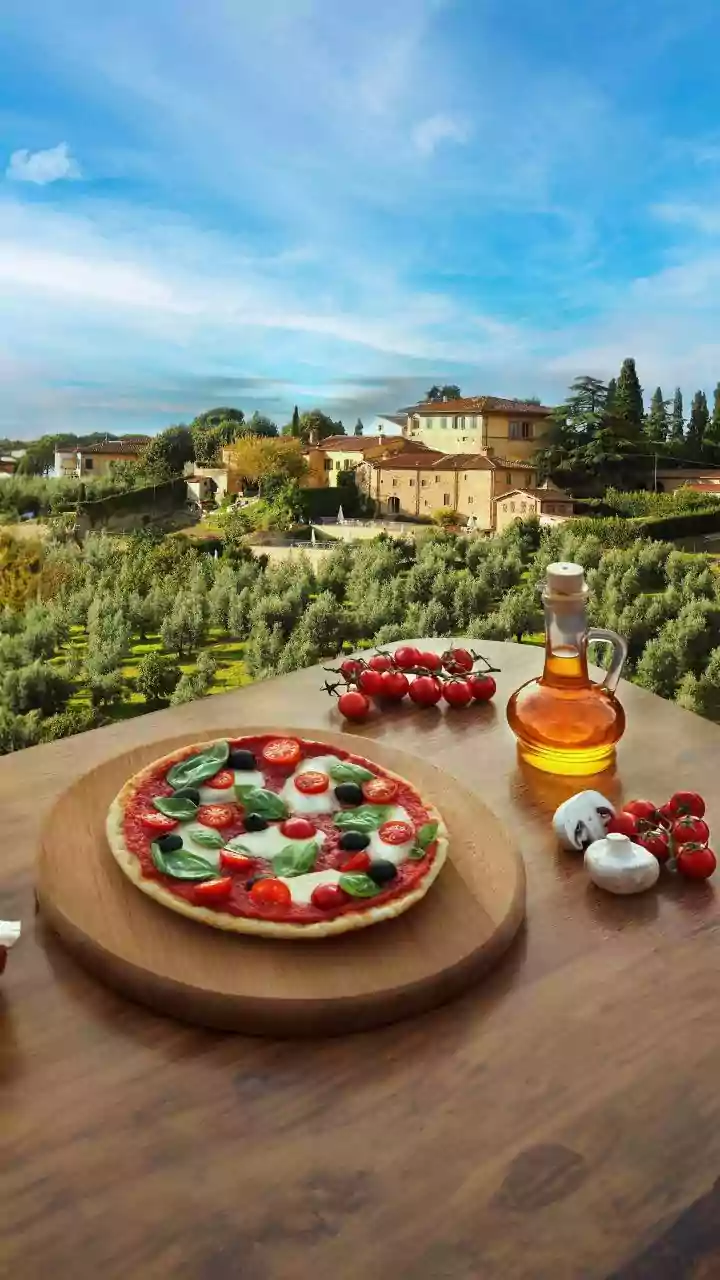
For those who prefer planning the journey to managing the destination, the role of a culinary travel specialist or agent has exploded. In an era of experiential travel, tourists no longer want to just see the sights; they want to taste them. These specialists design bespoke itineraries for clients centered entirely around food. This might involve arranging a truffle-hunting tour in Piedmont, Italy, complete with stays at hotels known for their kitchens, followed by a private cooking class with a renowned local chef. Success in this field depends on building a global network of contacts: hotel general managers, acclaimed chefs, local guides, and artisanal producers. The job involves extensive travel—not for vacation, but for research. They must personally vet the hotels, taste the food at the restaurants they recommend, and experience the tours they sell. It's a sales-driven role that combines logistics, deep cultural and culinary knowledge, and the ability to translate a client's vague desire for a "foodie trip" into a flawless, unforgettable itinerary.
The Modern Storyteller: Critic and Content Creator
While the traditional newspaper restaurant critic is a rare breed, the role has evolved into the modern content creator and digital journalist. These professionals build a career reviewing and showcasing the world's best hotels and restaurants for publications, websites, or their own social media channels. It sounds glamorous, but the work is relentless. A travel influencer focused on luxury food might partner with a hotel chain to create content, but this requires pitching, negotiating contracts, and delivering professional-grade photography and video on a tight deadline. A critic for a publication like Forbes Travel Guide or a Michelin inspector operates with more anonymity, conducting rigorous, checklist-based evaluations of every aspect of the hotel and dining experience. For them, travel is a blur of standardized assessments. In both cases, the meal is work. They are analyzing service timing, ingredient quality, and ambiance, all while taking meticulous notes. It’s a career that combines a writer’s eye, a photographer’s skill, and a businessperson’s hustle.
The Skills That Unite Them All
Whether you're managing a hotel's dining program, curating trips, or reviewing them, the trifecta of food, travel, and hotels demands more than just good taste. The common thread is business acumen. Financial literacy is non-negotiable, whether you’re managing a P&L statement, pricing a travel package, or valuing a brand partnership. Secondly, logistical expertise is crucial. Coordinating staff, supply chains, or complex international travel plans requires an almost obsessive attention to detail. Finally, a deep, authentic passion for hospitality is the engine that drives it all. This isn't a field for those looking to be pampered. It’s for people who derive immense satisfaction from creating perfect experiences for others. The hours are long, the pressure is high, and the work is often performed while others are relaxing. But for the right person, it’s the ultimate career combo.