








From Government Monopoly to Private Playground
For decades, space in India meant one thing: ISRO, the Indian Space Research Organisation. This government agency was the country’s sole designer, builder, and launcher of all things space-related. Like NASA in its early days, ISRO achieved incredible
feats on a shoestring budget, earning a reputation for frugal engineering. But in 2020, the Indian government made a pivotal decision to unlock the sector for private companies. The goal was to transform ISRO from a do-it-all operator into an R&D powerhouse and facilitator, much like NASA now collaborates with SpaceX and Boeing. To oversee this transition, a new regulatory body, IN-SPACe (Indian National Space Promotion and Authorisation Centre), was created to act as a bridge between ISRO and the burgeoning private industry, providing access to government facilities and streamlining approvals.
The New Kids on the Launchpad
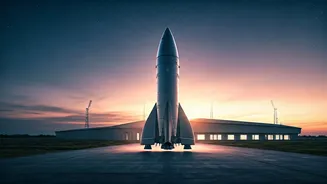
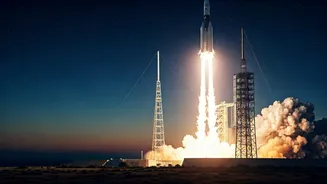
This policy shift threw open the doors for a new generation of entrepreneurs. Suddenly, a host of startups, many founded by former ISRO scientists, emerged from stealth mode. Companies like Skyroot Aerospace made history by launching India's first privately developed rocket. Agnikul Cosmos is grabbing attention with its 3D-printed rocket engines, promising rapid, on-demand launches for small satellites. Then there’s Pixxel, which is building a constellation of hyperspectral imaging satellites capable of monitoring global resources—from agriculture to pollution—in unprecedented detail. These aren't just paper projects; they are well-funded companies with hardware, launch contracts, and global ambitions, attracting hundreds of millions in venture capital from both domestic and international investors.
Why Now? The Perfect Launch Conditions
Several factors created the perfect conditions for this boom. First is the explicit government backing, which removed the legal and logistical barriers that kept private players out. Second is the global explosion in the demand for small satellites. Companies worldwide need cheaper, more frequent ways to get their hardware into orbit, and Indian startups believe they can meet that demand at a fraction of the cost of their Western counterparts. Third is India's deep talent pool. The country’s elite engineering institutes (like the IITs) produce tens of thousands of highly skilled graduates every year, many of whom are now choosing the excitement of a space startup over a traditional tech job. This combination of policy, market demand, and human capital has created a powerful trifecta.
More Than Just Rockets
While rocket companies like Skyroot and Agnikul often get the most press, the ecosystem is far broader. The real money in the modern space economy is often in the data and services enabled by satellites, not just the launch itself. Indian startups are building everything from satellite components and ground station services to sophisticated data analytics platforms. For example, a company might use satellite imagery to provide insurance companies with more accurate flood risk assessments or help agricultural firms monitor crop health from space. This diversification is crucial. It means India's space economy isn't just a handful of high-stakes rocket companies; it's a deep, interconnected network of businesses tackling different parts of the value chain, making the entire sector more resilient and sustainable.
The Global Space Race Heats Up
This new commercial energy from India is set to shake up the global space industry, a market projected to be worth over a trillion dollars in the coming decade. For years, the story of commercial space has been dominated by American players like SpaceX, Rocket Lab, and Blue Origin. Indian startups are now poised to become serious competitors, particularly in the small satellite launch market, where their low-cost structure is a major advantage. This isn't just about competition, though. It also opens the door for collaboration. U.S. and European companies may find reliable, cost-effective partners in India for manufacturing, launch services, and data analysis, creating a more integrated and dynamic global space economy.