



The Old Flex vs. The New
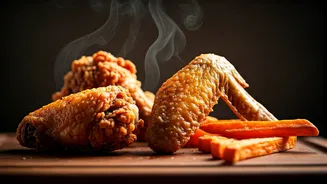
For generations, the mark of a confident home cook was often a liberal hand with fat. A glistening, golden-brown roast chicken, vegetables sautéed in a generous slick of olive oil, or the unmistakable sizzle of bacon in a cast-iron skillet—these were
sounds and sights of comfort and competence. Fat, we were told, is flavor. And for the most part, it is. But as wellness culture has permeated every corner of American life, from our workouts to our workdays, the definition of a culinary 'flex' is undergoing a quiet but dramatic revolution. The old flex was about richness and indulgence. The new flex is about precision, technique, and achieving incredible texture and taste *without* the heavy pour. It’s the ability to make potatoes shatteringly crisp with just a teaspoon of oil, or to get a beautiful char on broccoli using little more than high heat.
The Air Fryer as a Status Symbol
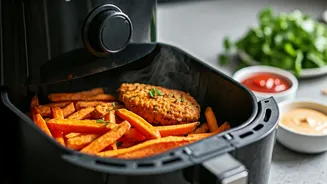
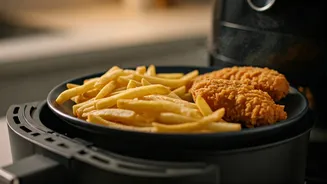
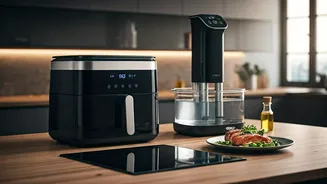
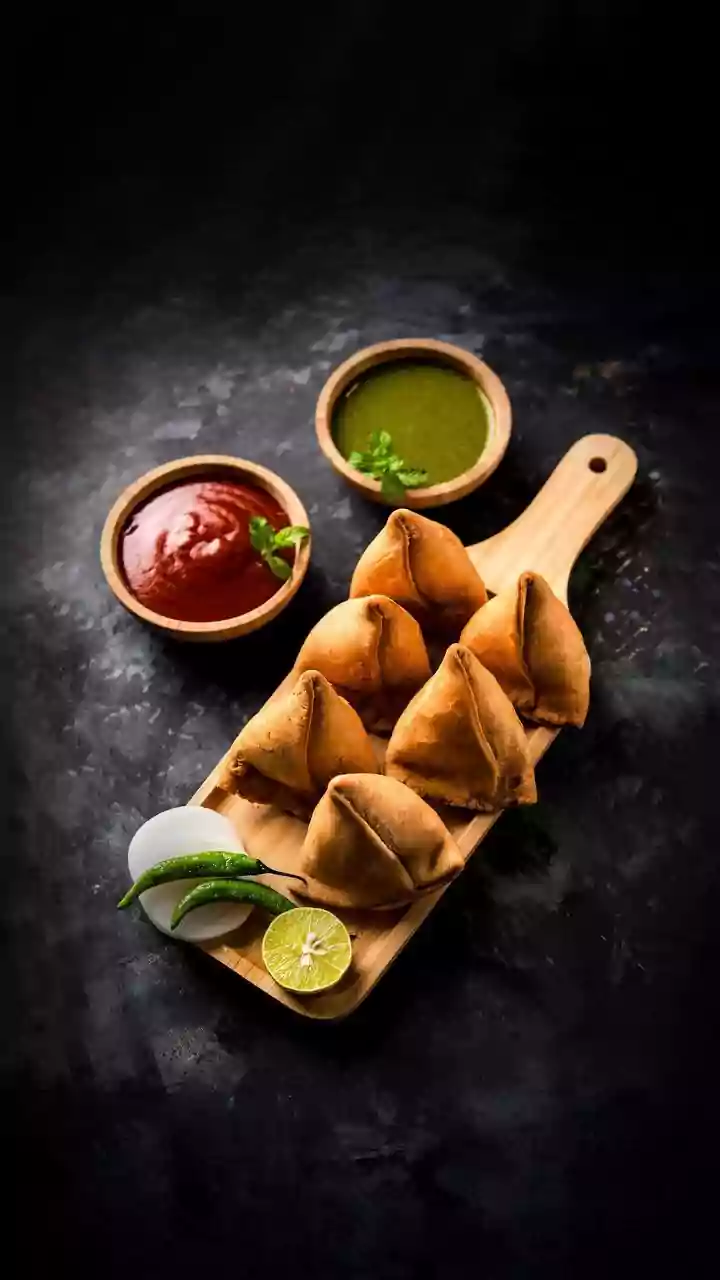
Nothing embodies this shift more than the meteoric rise of the air fryer. Initially dismissed by some culinary purists as a fad, this countertop convection oven has become a permanent fixture in millions of U.S. kitchens. Its sales didn't just grow; they exploded, largely because it perfectly delivers on the promise of the new kitchen flex. The air fryer makes it almost comically easy to get that deep-fried texture on everything from chicken wings to brussels sprouts, using a fraction of the oil. Posting a picture of your perfectly 'fried' artichoke hearts isn’t just sharing dinner; it’s a subtle signal that you’re in on the secret. You know how to achieve indulgence without the traditional consequences. It’s a gadget that says, “I care about health, but I refuse to eat boring food.”
Mastering the Low-Oil Techniques
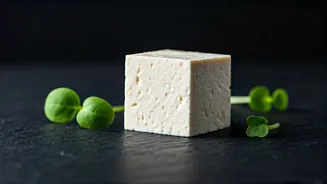
But this trend goes far beyond a single appliance. It’s about a broader toolkit of techniques and technologies that prioritize flavor and texture over fat. High-quality, modern non-stick pans now allow for 'dry-searing' scallops or getting a crust on a tofu steak with just a light mist of spray oil. Silicone baking mats have replaced parchment paper and greased baking sheets for roasting vegetables, preventing sticking while promoting even browning. More advanced cooks are exploring combi ovens, which use a combination of steam and convection heat to cook food gently before finishing it with a blast of dry heat for crisping. This method keeps proteins juicy and vegetables vibrant while requiring minimal added fat. Even classic techniques are being re-examined. 'Sweating' onions now often means doing so with a splash of water or broth instead of oil, a method that coaxes out their sweetness without adding calories.
It's About Control, Not Just Gadgets
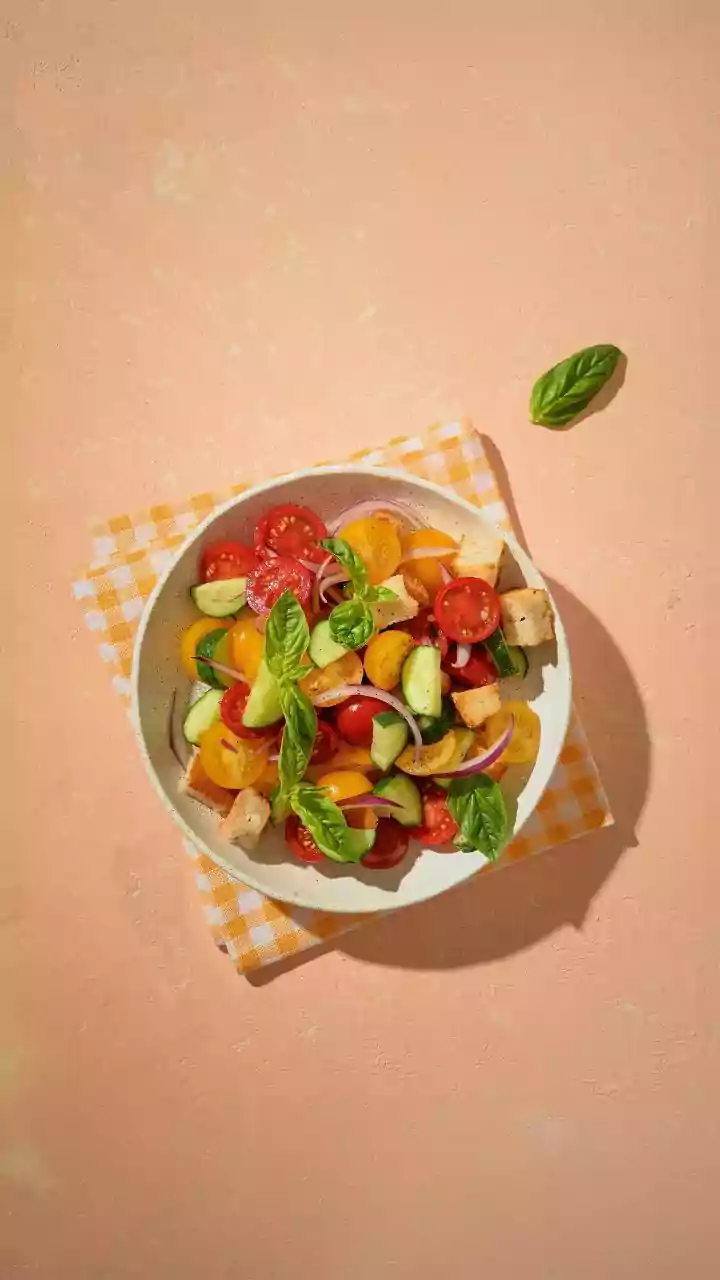
Ultimately, the oil-light flex isn’t about who has the most expensive gadget; it’s about demonstrating control and knowledge. It’s the skill to know that you can get incredible flavor by blooming spices in a dry pan before adding other ingredients. It’s the understanding of the Maillard reaction—the chemical process that creates browning and deep flavor—and knowing how to trigger it with high, direct heat rather than a deep pool of oil. Flavor is being built in other ways: with bright, acidic splashes of citrus and vinegar, the savory depth of miso paste, or the complex heat from a curated collection of chili flakes. The flex is showing you can create a meal that’s deeply satisfying and texturally exciting while being consciously light and modern. It’s a testament to a cook who is both creative and intentional.