





What Exactly Is Personalized Pet Nutrition?
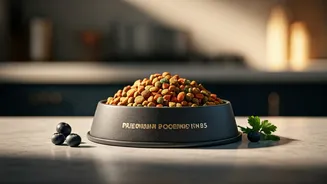
Forget grabbing the biggest bag of dog or cat food on sale. Personalized pet nutrition is a booming direct-to-consumer movement that creates custom-tailored diets based on an individual animal’s specific needs. This isn’t just about choosing between “chicken”
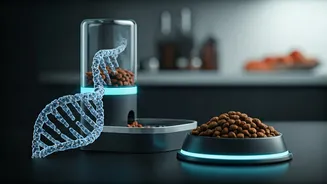
or “beef.” It’s a far more granular approach. Companies use detailed online questionnaires—and in some cases, even at-home DNA tests—to gather data on a pet’s breed, age, weight, activity level, allergies, and health goals (like weight loss or a shinier coat). An algorithm then processes this information to formulate a unique recipe and portion plan. The final product can range from a custom-mixed blend of kibble to pre-portioned, fresh-cooked meals delivered right to your door, often with your pet’s name on the package.
Why Is This Happening Now?
This trend sits at the crossroads of three major cultural shifts. First is the “humanization” of pets. More than ever, Americans see their pets as full-fledged family members who deserve the same level of care and consideration as anyone else. If we’re eating clean, locally sourced, non-GMO food, it feels natural to want the same for our dogs and cats. Second is the rise of the personal wellness and data-tracking movement. We’ve grown accustomed to using apps and wearables to optimize our own health, and the logic of applying data to achieve better outcomes has spilled over into pet care. Finally, the explosion of the direct-to-consumer (DTC) business model has made it all possible. Startups can now bypass traditional retail gatekeepers, connecting with pet owners online and delivering a highly customized product that would be impossible to scale on a Petco shelf.
How the Process Typically Works
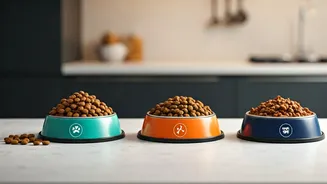
For a curious pet owner, the journey usually begins with a quiz that feels like a mix between a doctor’s intake form and a dating profile. You’ll answer questions about your pet: Is Fido a lazy Basset Hound or an agile Border Collie? Is he neutered? Does he have itchy skin or a sensitive stomach? What are his current eating habits, and does he get more treats than he probably should? Based on these answers, the company’s system generates a recommendation. For fresh food services, this often means a subscription for recurring deliveries of refrigerated, pre-portioned meal packs designed to last a week or two. For custom kibble brands, you might receive a large bag of a unique blend, complete with a perfectly sized scoop to ensure you’re not over- or under-feeding. The goal is to remove the guesswork and provide a simple, foolproof system for optimal feeding.
The Realities: Promises and Price Tags
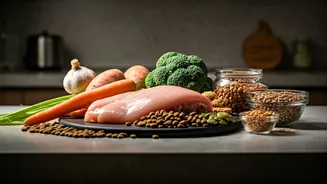
The benefits touted by these companies are compelling. Owners often report improvements in their pet’s energy levels, coat condition, and digestion. The transparency of ingredients—seeing real carrots, peas, and ground turkey in a fresh food pack—is a powerful contrast to the mysterious brown pellets of conventional kibble. The convenience of home delivery is another major draw. However, this level of customization and service comes at a premium. Personalized plans can cost two to four times more than traditional high-end pet food, making them a significant budget item. Furthermore, while many companies work with veterinary nutritionists, the industry is still young, and the marketing claims can sometimes outpace the independent, peer-reviewed scientific research. Critics caution pet owners to be wary of slick branding and to ensure that any chosen diet is nutritionally complete and balanced according to established standards.