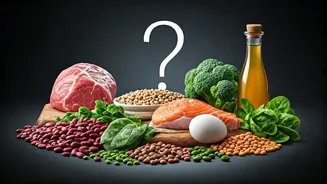








What Is Moral Confusion?
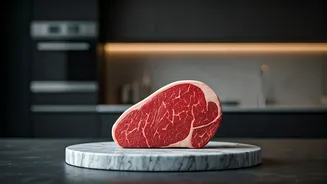
For previous generations, a steak was just a steak. But for a digital-native cohort raised on an endless stream of information and viral documentaries, that steak comes with a data footprint. How much water did it take to raise the cow? What was its carbon
impact? Were the workers treated fairly? Was the animal? The result is a kind of consumer paralysis, or “moral confusion.” This isn’t about a simple preference for plants over animals. It’s a deeper search for ethical alignment in a food system that often feels opaque and contradictory. Is conventionally grown soy better for the planet than pasture-raised beef? Is a lab-grown chicken nugget a scientific marvel or a nutritional mystery? For many in Gen Z, every meal can feel like a compromise, and they are actively seeking ways to opt out of that feeling.
The Search for Ethical Clarity
This desire for clarity is reshaping the market. Gen Z isn't necessarily becoming a generation of strict vegans or vegetarians. Instead, many are adopting a “flexitarian” approach, where they reduce meat consumption and prioritize quality and transparency when they do eat it. They are the driving force behind the explosion of plant-based milks, cheeses, and meat analogues that now occupy prime real estate in supermarkets.
According to industry reports, this generation is more likely than any other to consider the environmental impact of their food choices. They over-index on concerns about sustainability and are deeply skeptical of corporate greenwashing. They don't just want a product that’s labeled “natural”; they want to see the receipts. This means QR codes that trace a product's journey, brands that are radically transparent about their supply chains, and founders who authentically share their mission on social media platforms like TikTok and Instagram.
A Spectrum of Solutions
The response to this demand isn’t a single product, but a spectrum of protein sources that all promise a cleaner conscience. On one end, you have a renewed interest in “better” animal products. This includes meat and dairy from regenerative farms that claim to sequester carbon and improve soil health, or eggs from genuinely “pasture-raised” hens.
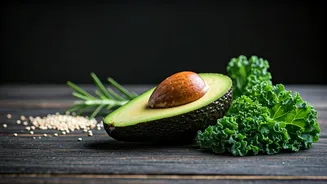
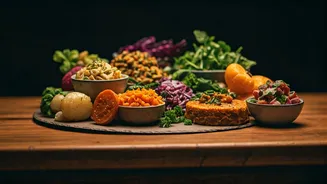
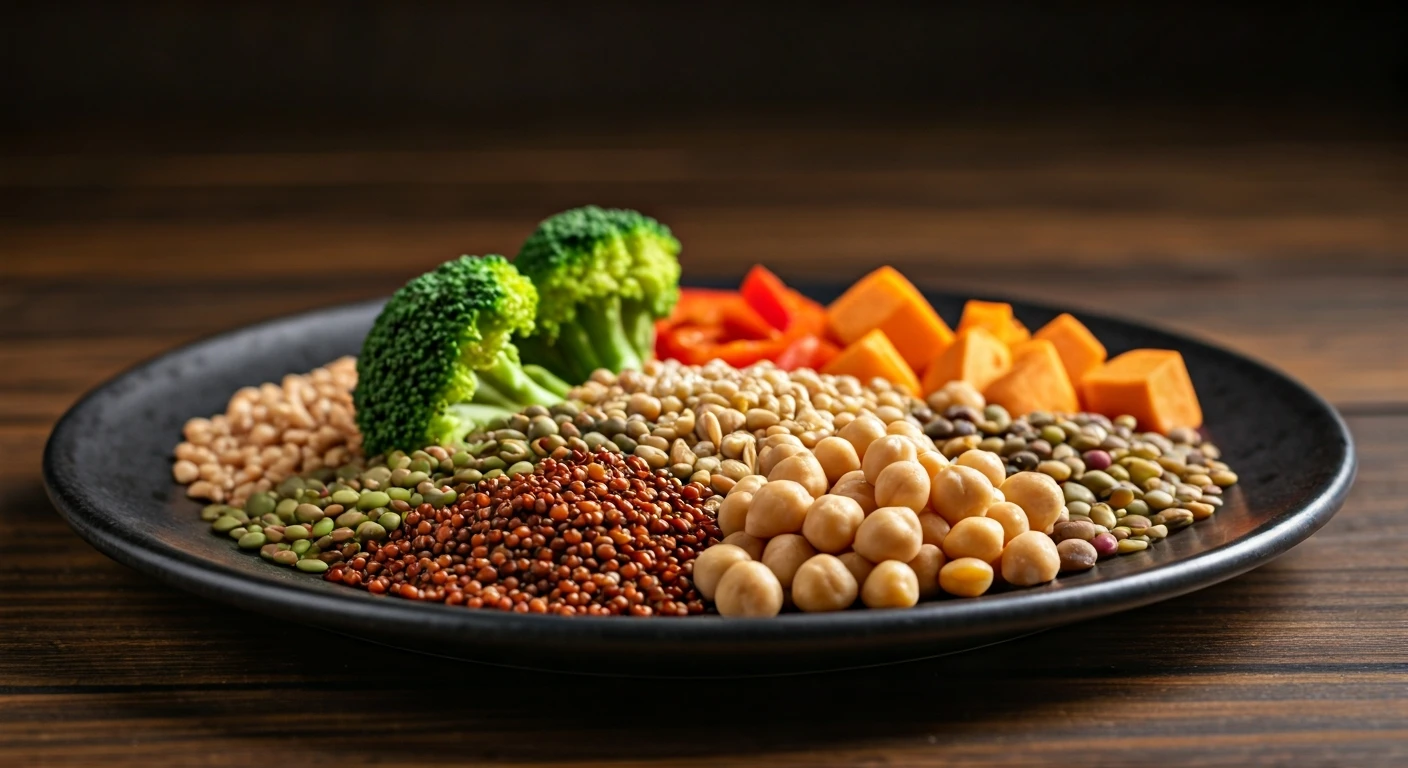
In the middle is the ever-expanding universe of plant-based proteins. Beyond old-school tofu and tempeh, we now have hyper-realistic burgers that “bleed” beet juice and chicken substitutes made from fungi, peas, and soy that mimic the texture of the real thing. On the far end of the spectrum is the high-tech future of food: cellular meat and precision fermentation. Startups are growing real animal muscle in labs without slaughter, or using microorganisms to produce dairy proteins without a single cow. For Gen Z, these innovations aren’t science fiction; they’re potential solutions to a broken system.
How Brands Are Responding
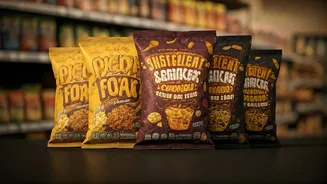
The food industry, from legacy giants to nimble startups, is paying close attention. The term “plant-based” has become a multi-billion-dollar halo, and companies are racing to innovate or acquire their way into the space. But simply launching a veggie burger isn't enough. Brands that succeed with this demographic are the ones that build a community and tell a compelling story about their impact.
They understand that Gen Z’s purchasing power is an extension of their values. A purchase is a vote for the world they want to live in. This is why a company’s stance on social issues, its labor practices, and its environmental footprint are now as important as its flavor profile. The pressure is on to provide not just a good product, but a guilt-free one. The brands that fail are the ones that offer simplistic answers to complex questions, or whose marketing messages don't align with their actual practices.