



The Age of Edible Penance
For the better part of two decades, the wellness food movement operated on a principle of sacrifice. To be healthy, you had to give something up: gluten, sugar, fat, dairy, or, most commonly, flavor. The measure of a product’s virtue was its ingredient
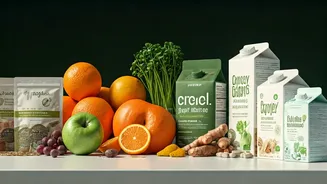
list, a string of “free-froms” and obscure superfoods. We choked down gritty green powders and snacked on bars that had the texture of dried plaster, convincing ourselves it was for our own good. Eating well felt like doing homework. Brands leaned into this. Packaging screamed about what *wasn’t* inside. Marketing focused on functional benefits—protein counts, fiber grams, antioxidant levels—over the simple, human pleasure of eating something delicious. It was a race to the bottom of the flavor scale, driven by the assumption that the target consumer was a wellness ascetic, willing to trade enjoyment for a clean nutritional panel. This was the era of edible penance, where the experience of eating was secondary to the data on the label.
A Rebellion Fueled by Flavor
That era is definitively over. A new philosophy is winning, and it’s refreshingly simple: wellness food should, first and foremost, taste amazing. The new guard of food innovators isn't asking consumers to make a choice between health and happiness. Instead, they are starting with a classic, crave-worthy food—like mac and cheese, soda, or a candy bar—and reverse-engineering it to be better for you without sacrificing the joy. This isn't about hiding vegetables in brownies. It’s a more sophisticated approach that respects the consumer's palate. The goal is to create a product so good you’d choose it even if it *weren’t* healthier. The health benefits, like added protein, lower sugar, or gut-friendly fiber, are a built-in bonus, not the sole reason for being. It’s a fundamental shift from “healthy food that tries to taste good” to “delicious food that happens to be healthy.”
Why Is This Happening Now?
Several forces created the perfect storm for this taste-first revolution. First, consumer burnout. Shoppers, particularly Millennials and Gen Z who grew up in a sophisticated foodie culture, are no longer willing to accept that healthy means bland. They expect and demand more. Second, the market is saturated. With thousands of wellness brands competing for shelf space, simply having a low-sugar product isn't enough to stand out. A memorable flavor experience is the new competitive edge. Finally, food science has caught up to our aspirations. The development and wider availability of next-generation ingredients, like the natural sweeteners allulose and monk fruit, have been game-changers. Unlike the artificial sweeteners of the past, these ingredients can mimic the taste and function of sugar with fewer off-notes and digestive issues. This allows formulators to slash sugar content without resorting to the chemical-tasting compromises that defined old-school “diet” foods.
The New Stars of the Pantry
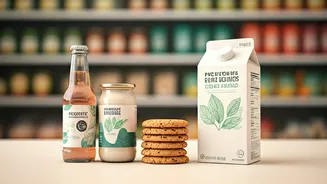
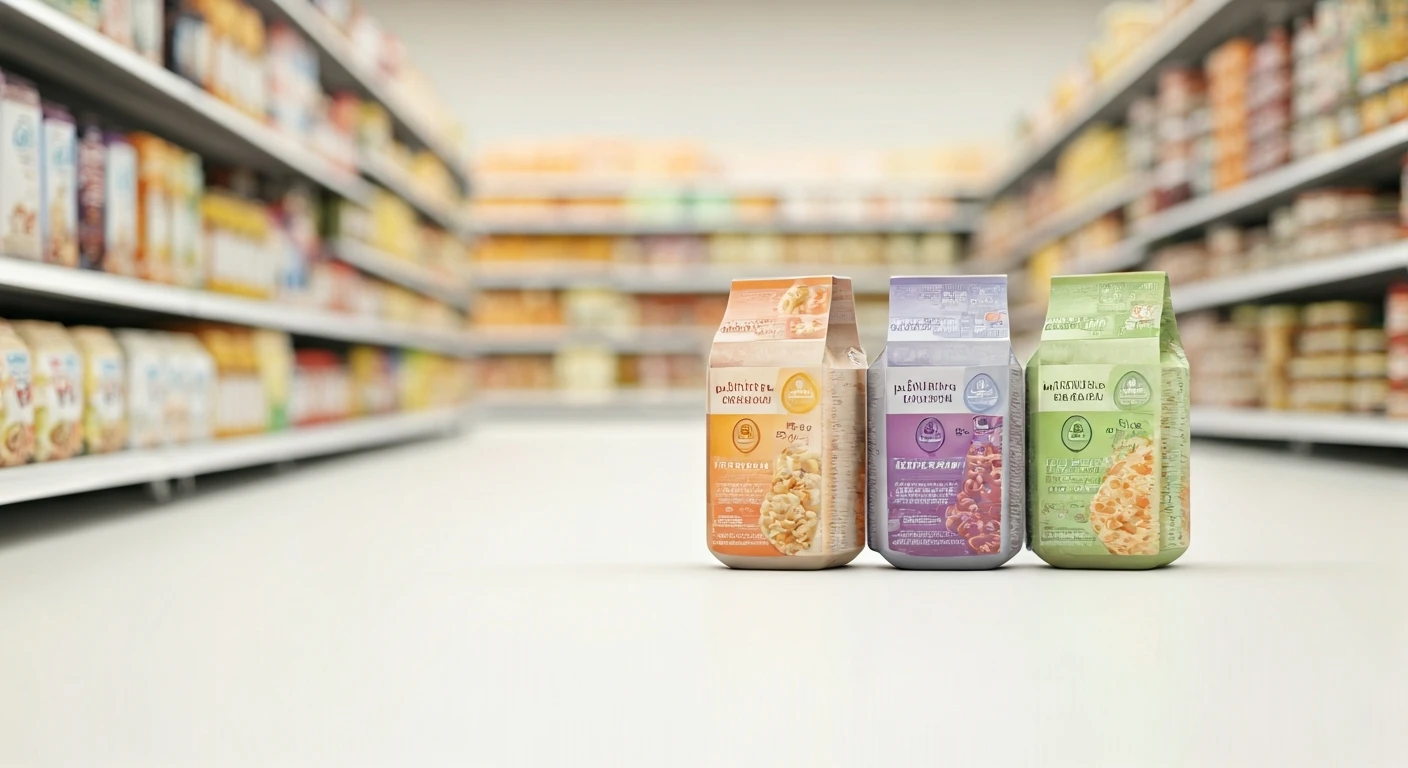
You can see this trend in every aisle of the supermarket. In the beverage cooler, prebiotic sodas from brands like Olipop and Poppi offer the classic bubbly satisfaction of a Coke or Dr. Pepper, but with a fraction of the sugar and a dose of fiber for gut health. In the cereal aisle, Magic Spoon and Three Wishes have reinvented childhood favorites like fruity loops and frosted flakes with high-protein, low-carb formulas that actually taste like a treat. It continues in the snack drawer with brands like Goodles, which infuses classic mac and cheese with protein and nutrients from plant sources, or Gigantic, which makes candy bars with real-food ingredients and dramatically less sugar. What unites them is their unabashed focus on pleasure. Their marketing is vibrant and fun, not clinical and restrictive. They are selling an upgrade, not a sacrifice.