




More Than Just a Fancy Label
So, what does “human-grade” actually mean? It’s not just marketing fluff. For a pet food company to legally use the term, the entire product must follow the same standards as human food. This means it must be manufactured in a facility licensed for human food production,
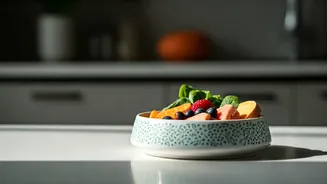
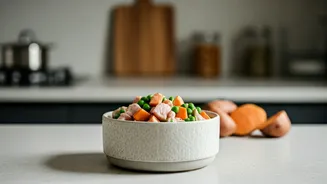
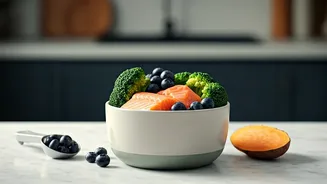
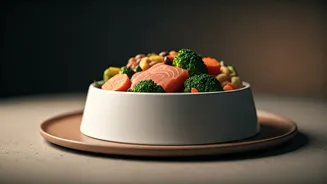
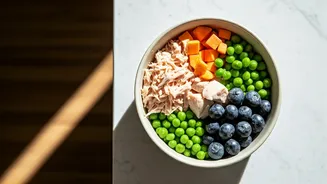
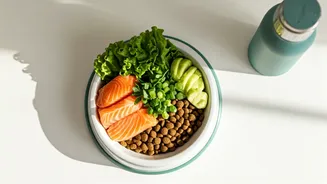
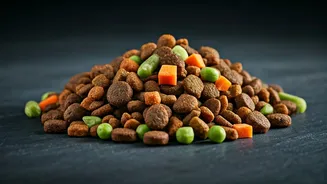
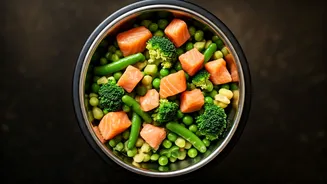
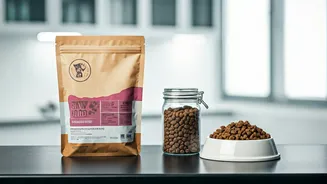
and all ingredients—from the chicken and carrots to the nutrient blends—must be edible for humans. It’s a stark contrast to traditional pet food, which is made under “feed-grade” standards. Feed-grade ingredients can include materials not legally fit for human consumption, like animal by-products or grains that failed inspection for the human supply chain. The new wave of human-grade brands, from subscription services like The Farmer’s Dog and Nom Nom to retail options, are essentially selling fresh, lightly cooked meals that look more like something you’d make yourself than the brown pellets most of us grew up with.
The Wellness Wave Hits the Dog Bowl
This shift isn't happening in a vacuum. It’s the direct result of two powerful cultural trends converging. First, there's the ongoing “pet humanization” trend, where pets are increasingly viewed and treated as integral family members. Owners, especially Millennials and Gen Z, often refer to themselves as “pet parents” and spare no expense on their animals' well-being. Second, the human wellness movement has officially trickled down to our four-legged friends. We scrutinize our own food labels for clean ingredients, non-GMO labels, and minimal processing, so it’s a natural next step to want the same for our pets. Direct-to-consumer (DTC) subscription models have supercharged this market, delivering pre-portioned, personalized meals right to the doorstep, removing the guesswork and making premium feeding more convenient than ever.
The Perks of a Fresher Plate
Ask an owner who has made the switch, and you’ll likely hear a glowing review. Proponents of fresh, human-grade diets often report a range of benefits. The most commonly cited perks include improved digestion (goodbye, mysterious stomach issues), healthier and shinier coats, increased energy levels, and relief from common food allergies often triggered by fillers in traditional kibble. For owners of picky eaters, the appeal is obvious—many dogs who turn their noses up at dry food will eagerly devour a fresh meal. Brands lean heavily on these testimonials, showcasing dramatic before-and-after stories that tap directly into an owner’s desire to provide the best possible care and see tangible, positive results in their pet’s health and happiness.
The Price Tag and Professional Caution
Of course, this upgrade in quality comes with a significant upgrade in price. Feeding a medium-sized dog a fresh, human-grade diet can cost hundreds of dollars a month, putting it out of reach for many families. Beyond the cost, there is some caution from the veterinary community. While few vets object to high-quality ingredients, some express concern over the nutritional completeness of boutique diets. Commercially produced kibble from major brands is the result of decades of research and feeding trials to ensure it meets all of a pet’s complex nutritional needs. Some newer, smaller companies may not have the same level of scientific rigor behind their formulations. The key, according to most veterinary nutritionists, is to ensure any diet—kibble or fresh—is certified as “complete and balanced” by AAFCO (The Association of American Feed Control Officials) standards. As always, the best first step before a major diet change is a conversation with your veterinarian.