



The Living Architecture of Meghalaya
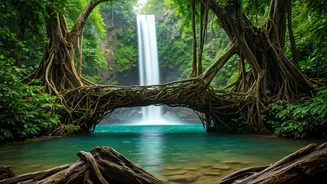
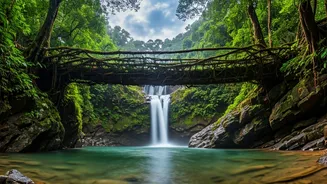
First, let's talk about the main event: the living root bridges. Deep in the emerald-green forests of India’s Meghalaya state, the indigenous Khasi and Jaintia peoples have been practicing a unique form of bio-engineering for centuries. Instead of building
bridges from wood or stone, they guide the aerial roots of the Ficus elastica (rubber fig) tree across rivers and gorges. Over decades, these roots grow, strengthen, and intertwine, forming sturdy, living structures that can withstand the region’s powerful monsoons. These aren't just pathways; they are living, breathing testaments to a harmonious relationship between humanity and nature. The most famous of these, the Jingkieng Nongriat or 'Double-Decker Root Bridge,' is a two-tiered wonder that looks like something straight out of a fantasy epic.
Why Shillong Is Your Ideal Launchpad
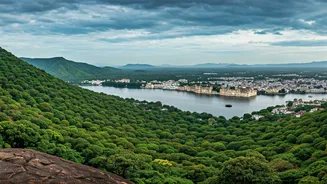
While the bridges are tucked away in remote villages, Shillong serves as the perfect base camp. As the capital of Meghalaya, it’s a vibrant, accessible hub that blends modern amenities with a unique local culture. Often called the 'Scotland of the East' for its rolling hills and cool climate, Shillong offers comfortable hotels, a diverse food scene (from local Khasi delicacies to Western fare), and the infrastructure an American traveler needs. More importantly, it’s the central point for hiring reliable guides, drivers, and tour operators who specialize in root bridge treks. You can spend your days tackling challenging, muddy trails and your evenings recovering in a comfortable city setting, making it the best of both worlds. It strips away the logistical headaches, letting you focus on the adventure.
Embracing the Monsoon Magic
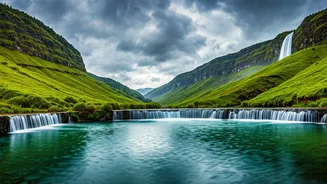
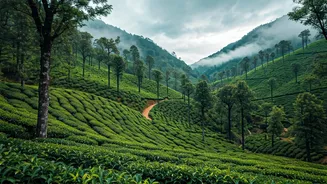
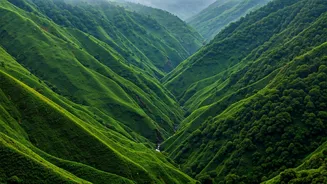
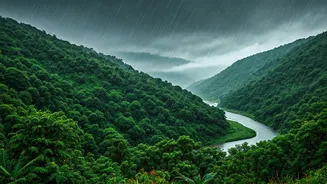
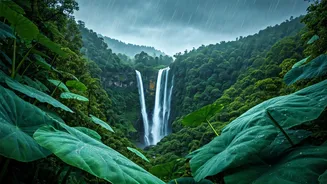
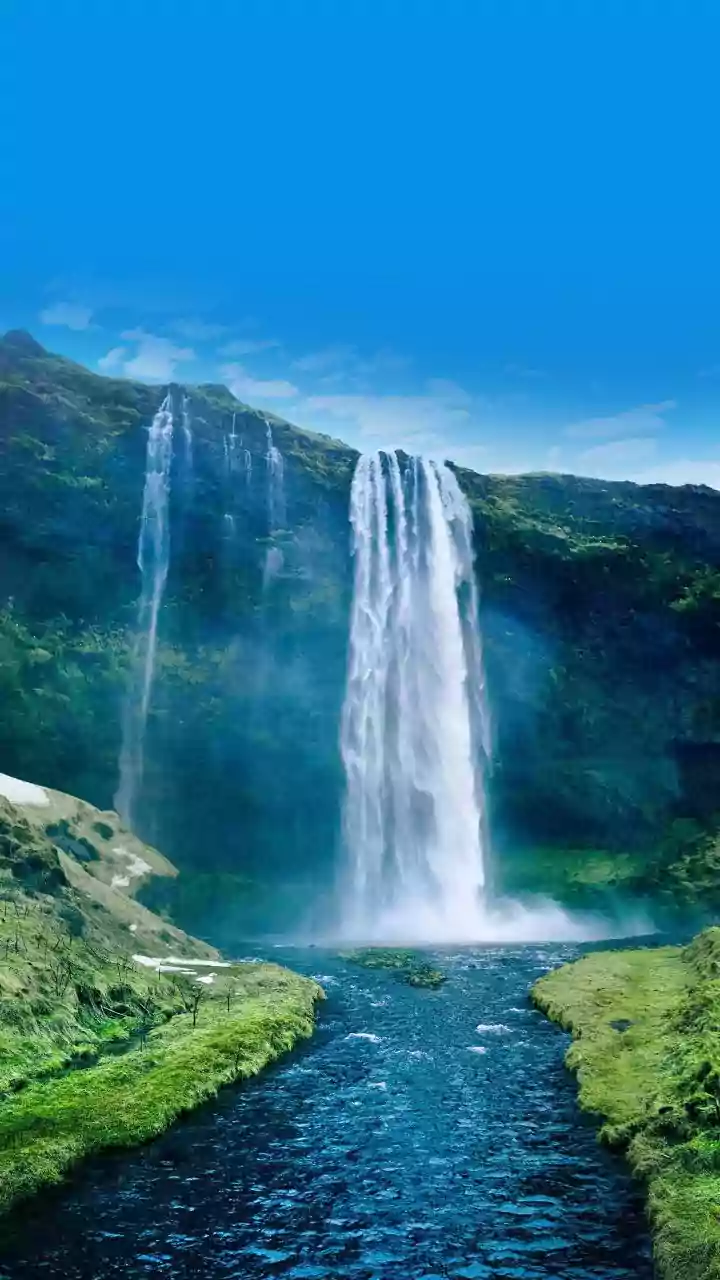
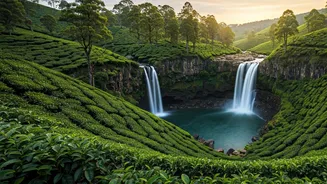
For most travel destinations, the rainy season is the off-season. In Meghalaya, it's primetime. The word 'Meghalaya' literally translates to 'Abode of the Clouds,' and the monsoon is when the state truly lives up to its name. From June to September, the landscape transforms into an impossibly lush panorama of vibrant greens. Waterfalls that are mere trickles in the dry season become roaring torrents, and a mystical veil of mist clings to the hillsides. The root bridges themselves were designed for this weather; they become stronger and more integrated with the landscape when wet. The experience isn't about avoiding the rain—it's about gearing up and immersing yourself in a world that is defined and nourished by it. The sounds of the jungle, the scent of damp earth, and the dramatic skies create an unforgettable sensory experience.
What to Expect on the Trek
These treks are not a casual stroll. Reaching the most spectacular bridges, like the double-decker in Nongriat village, involves a challenging hike. The journey typically starts from the village of Tyrna, near Cherrapunji (also known as Sohra), which is a few hours' drive from Shillong. From there, it’s a descent of over 3,000 stone steps into a valley. The path is steep, the humidity is high, and your legs will feel it. But the reward is immeasurable. Along the way, you’ll cross rickety steel suspension bridges and smaller root bridges before arriving at the main attraction. The journey itself, through dense tropical forest and past natural turquoise pools perfect for a refreshing (and chilly) dip, is as much a part of the adventure as the destination.
Practical Tips for the Journey
Planning is key for this trip. The easiest way to get there is to fly into Guwahati (GAU) in the neighboring state of Assam, then take a three-hour taxi to Shillong. Alternatively, Shillong has its own smaller airport (SHL) with limited connections. For the trek, pack light but smart: quick-dry clothing, a reliable raincoat, waterproof hiking shoes with excellent grip, and leech socks (a local must-have). A good level of physical fitness is required for the main treks. While you can do it in a day trip from Shillong, many travelers opt to stay overnight in basic homestays in villages like Nongriat to fully soak in the experience and break up the strenuous climb back up the steps.