



What Is Mood-Led Travel?
Mood-led travel, sometimes called intuitive travel, is the practice of ditching a rigid, hour-by-hour itinerary and instead letting your in-the-moment feelings, energy levels, and curiosity dictate your plans. It’s the opposite of “checklist tourism,”
where a vacation becomes a frantic race to see a prescribed list of sights. Instead of forcing yourself to visit a crowded museum because it was on your schedule, you might notice you’re feeling contemplative and seek out a quiet park or a cozy bookstore cafe. If you wake up with a burst of energy, you might rent a bike and explore a new neighborhood with no destination in mind. At its core, it’s about trading a sense of obligation for a sense of freedom. You prioritize how you want to *feel* over what you’re “supposed” to do. This approach doesn't mean zero planning; it simply means building flexibility into your framework. You book the flight and the hotel, but you leave the days wide open for discovery.
From Crammed Itinerary to Core Memory
So, how does this make a short trip feel bigger? By emphasizing depth over breadth. A traditional three-day weekend might involve five museums, four famous landmarks, and three highly-rated restaurants. You get a photo of everything, but the entire experience can blur into a single, exhausting montage. You were present, but were you really there? Mood-led travel encourages you to have fewer, but more meaningful, experiences. That one rainy afternoon you spent lingering in a tiny art gallery because it felt right will stick with you far longer than the five sights you rushed through to stay on schedule. By honoring your internal state, you create space for serendipity. You might stumble upon a local street market, strike up a conversation with a shop owner, or discover a hidden courtyard. These unplannable moments are what transform a simple trip into a rich, expansive memory. The vacation’s success is measured not by the number of things you saw, but by the quality of the moments you truly inhabited.
How to Plan Your 'Un-Planned' Trip
Embracing spontaneity doesn't mean showing up in a new city with no clue what’s available. The key is to prepare for flexibility. Start by booking the non-negotiables: your flights and your first night or two of accommodation. Instead of creating a schedule, create a “possibility menu.” Before you go, research a handful of things that appeal to you across different categories: a chill cafe, an energetic hike, a fascinating museum, a lively market, a quiet garden. Think of it as a palette of options, not a to-do list. When you wake up each morning, check in with yourself. What’s your energy level? What’s your mood? What’s the weather doing? Then, consult your menu and pick an activity that aligns with how you feel. Leaving large blocks of time unscheduled is crucial. This is the space where magic happens—where you can decide to linger longer over lunch, follow a compelling side street, or simply return to your hotel for a nap without feeling guilty.
What It Looks Like in Practice
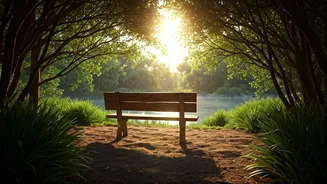
Imagine you’re on a weekend trip to a coastal town. Your original loose plan was to hike a popular, scenic trail. But you wake up feeling tired and craving quiet. The mood-led choice isn't to power through the hike. Instead, you grab a coffee and a pastry from a local bakery and find a bench overlooking the water. You spend the morning just watching the boats and listening to the waves. Later, feeling more rested, you wander through the town’s side streets and discover a small, independent cinema showing an old movie. You buy a ticket on a whim. That quiet morning and spontaneous film become the highlights of your trip—deeply restorative and uniquely yours. Another day, you might wake up feeling social and adventurous. That's the day you head to the busy fish market you’d read about, striking up a conversation with a vendor and getting a recommendation for the best lunch spot in town. Each choice is authentic to the moment, making the entire experience feel more personal and less performed.