






The Post-Pandemic Schengen Scramble
For U.S. passport holders, traveling to most of Europe is a simple matter of booking a flight. For Indian citizens, it’s a grueling bureaucratic marathon. The Schengen Area, a bloc of 29 European countries with open internal borders, requires a single
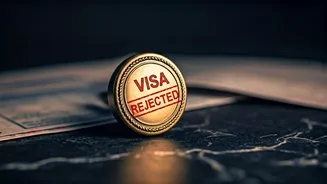
visa for entry. But obtaining that visa has become a nightmare of backlogged appointments, opaque decision-making, and high rejection rates. The post-pandemic travel boom has collided with understaffed European consulates in India, creating a perfect storm of frustration. Aspiring tourists report spending months trying to secure a visa appointment, only to face processing times that stretch for weeks, putting their non-refundable flights and hotel bookings at risk. This uncertainty has turned travel planning into a high-stakes gamble.
A Game of Rejection Rates
Not all Schengen countries are created equal in the eyes of a visa applicant. Data and anecdotal reports consistently show wildly different approval rates for Indian travelers depending on which country’s embassy they apply to. Countries like Switzerland and Germany have cultivated a reputation for being relatively straightforward and efficient, with lower rejection rates and more predictable timelines. They are seen as the “safe bets.” In contrast, some other nations have become notorious for their high rejection rates for Indian applicants, which can sometimes soar into the double digits. This disparity forces travelers to think less about where they want to go and more about which consulate offers the best odds of approval. The choice of destination is no longer just about culture or scenery; it’s a calculated risk assessment.
The Rise of 'Visa Shopping'
This has led to a strategic workaround known as “visa shopping” or “visa-porting.” The official rule is that travelers must apply at the consulate of their main destination or, if the trip is split equally, their port of first entry. However, to improve their odds, many Indian travelers are now deliberately planning their first stop in a country with a more lenient visa reputation. For example, a traveler whose dream is to visit France might instead apply for a Swiss visa, book a refundable flight and hotel in Geneva to satisfy the application requirements, and enter the Schengen Area there before immediately traveling on to Paris. This strategy, while technically frowned upon by authorities, is seen by many as the only logical response to an illogical and unpredictable system. It’s a direct attempt to take back control from a process that feels arbitrary and unfair.
Why So Many Applications Are Denied
The reasons for denial can be frustratingly vague, but common culprits include “justification for the purpose and conditions of the intended stay was not provided” or “intention to leave the territory of the Member States before the expiry of the visa could not be ascertained.” For the applicant, this translates to a number of potential issues. Consular officers may doubt the authenticity of an itinerary if it looks like a classic “visa shopping” attempt. They may deem the applicant’s financial documentation insufficient to cover the trip, or they may simply be overwhelmed by the sheer volume of applications and apply a stricter standard. For many first-time travelers without a history of international trips, proving their intent to return to India can be the biggest hurdle. Each rejection not only costs the applicant time and money but also adds a black mark that can complicate future applications.