




The North: Yogurt, Mint, and Melons
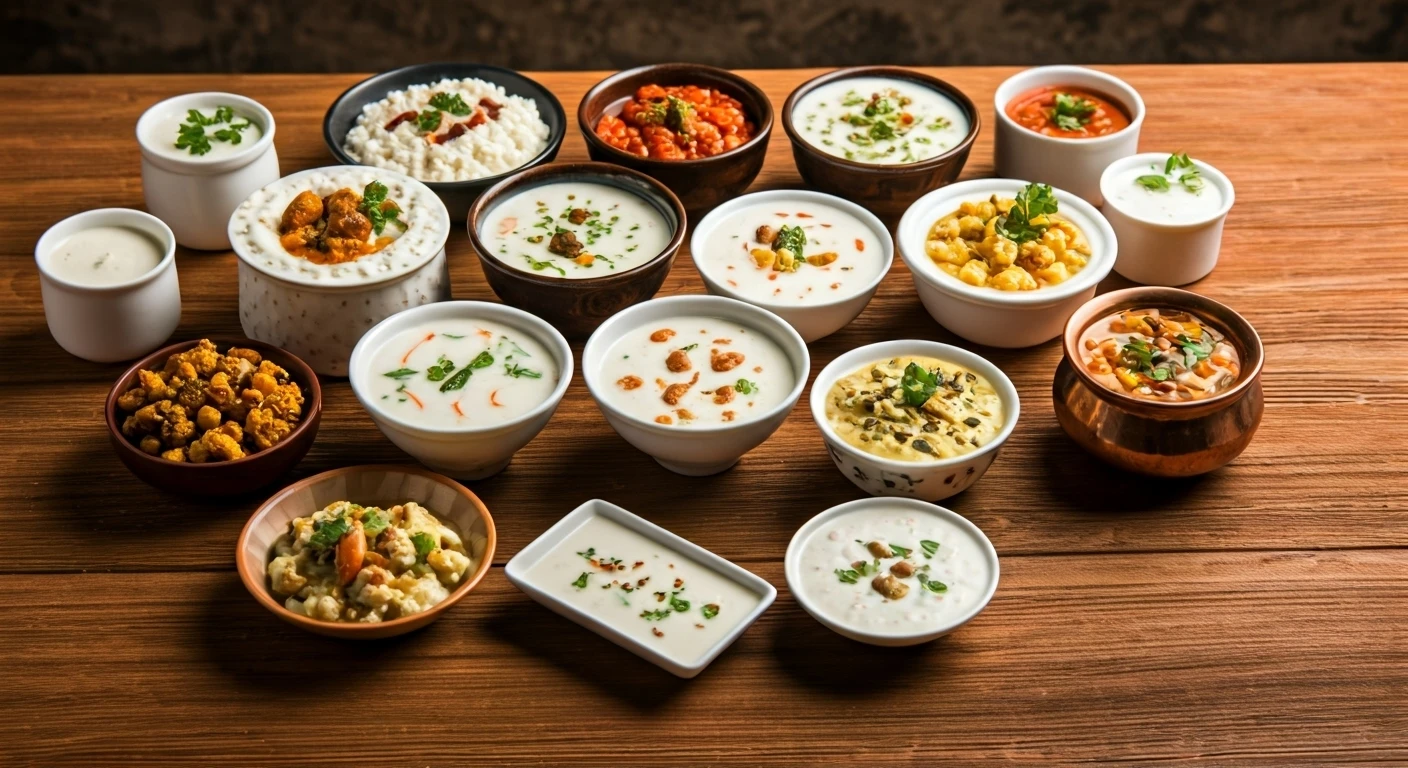
In the blistering plains of Northern India, the answer to the heat is often found in a clay cup of yogurt. Dishes here are designed to pacify the sun’s assault. Think of *raita*, a simple mix of yogurt with grated cucumber, tomato, or tiny fried chickpea
flour balls (*boondi*). It's served alongside almost every meal, acting as a cooling agent against spicier curries. The star beverage is *lassi*, a creamy, churned-yogurt drink served sweet with fruit or savory with salt and roasted cumin. According to Ayurvedic tradition, yogurt is a natural coolant, and when combined with mint—another cooling herb central to the region’s chutneys—it becomes a powerful duo. Summer is also the season for water-rich fruits like melons and lychees, which are eaten fresh or blended into juices to keep hydration levels high.
The South: Tamarind, Rice, and Coconut
Travel south, and the heat-fighting strategy changes. Here, the cuisine favors light, tangy, and hydrating dishes that are easy to digest in the sweltering humidity. The undisputed hero is *rasam*, a thin, peppery, and tamarind-based soup that’s both an appetizer and a digestive aid. It's light on the stomach and often made with tomatoes and lentils, providing comfort without the heaviness. Rice, the staple grain, is prepared in cooling forms like curd rice (*thayir sadam*), a soothing mash of cooked rice, yogurt, and mild spices. Another key player is coconut. Instead of heavy, cream-based curries, summer meals feature freshly grated coconut or coconut water, which is naturally packed with electrolytes and renowned for its cooling properties. It’s nature’s Gatorade, served straight from the source.
The East: Gourds, Greens, and Light Fish
In the East, particularly in states like West Bengal and Odisha, the summer menu is a celebration of water-heavy vegetables and gentle cooking. This region’s cuisine leans on a fascinating array of gourds—bottle gourd (*lau*), pointed gourd (*potol*), and ridge gourd (*jhinge*)—which have high water content and are believed to have a cooling effect on the body. These are often cooked into simple, soupy stews with minimal spices, allowing the vegetable's natural flavor to shine. Another key feature is the love for bitter greens and vegetables, like bitter gourd (*korola*), which are considered essential for cleansing the system during hot months. For non-vegetarians, heavy meat curries are replaced by *macher jhol*, a light, turmeric-and-cumin-spiced fish stew that feels more like a restorative broth than a rich indulgence.
The West: Buttermilk, Millet, and Raw Mango
In the arid landscapes of Western India, particularly Gujarat and Rajasthan, the culinary code for summer is all about hydration and preservation. The go-to beverage is *chaas*, or buttermilk, a thin, savory drink spiced with ginger, cilantro, and salt. It’s a staple in every household, replenishing fluids and aiding digestion. Grains shift from wheat to lighter, heartier millets like pearl millet (*bajra*), which are considered less heat-producing. But the most exciting summer ingredient is raw, green mango. Before the fruit ripens into its sweet, golden form, it’s used as a souring agent in lentil dishes (*dals*) and, most famously, in *aam panna*. This incredible drink is made from boiled raw mango pulp mixed with cumin, mint, and salt, creating a tangy, sweet, and salty concoction specifically designed to prevent heat stroke and dehydration.