






The Anti-Routine Routine
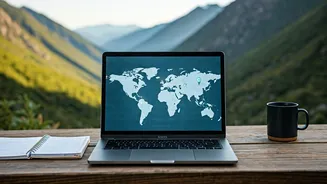
Imagine this instead of your spare-bedroom office: answering emails from a breezy café in Goa, coding with a view of the Himalayas, or joining a brainstorm session at a vibrant co-working space in Jaipur. This isn't a vacation; it's the new normal for
a segment of India's massive freelance workforce. They are actively rejecting the static, isolating nature of traditional remote work and discovering that changing their environment is a powerful productivity hack. This concept of 'movement' isn't just about getting steps in on a Fitbit. It’s a strategic relocation of the workspace—daily, weekly, or seasonally—to stimulate the mind, break creative blocks, and foster a healthier relationship with work. By swapping a permanent desk for a rotation of inspiring locations, these professionals are decoupling productivity from a fixed address.
Why Scenery Beats Stability
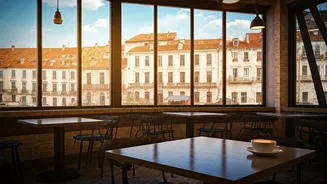
The logic behind this trend is rooted in psychology. Constant exposure to the same four walls can lead to cognitive stagnation and a condition sociologists call 'home-sickness,' where the lines between personal sanctuary and professional pressure-cooker blur completely. Changing your physical context provides a mental reset. A new coffee shop offers fresh background noise and novel sensory inputs, which can jolt the brain out of a rut. A short-term move to a different city—a practice dubbed a 'workation'—combines the benefits of travel with the demands of a job, creating a structured novelty that prevents burnout. For many Indian freelancers, this is a direct response to the intense, high-pressure environments of the country's major corporate hubs like Mumbai and Bangalore. The freedom to move becomes a tool for mental wellness and, by extension, sustained professional performance.
The Infrastructure of Movement
This cultural shift isn't happening in a vacuum; it’s supported by a rapidly growing infrastructure. Co-working spaces are no longer confined to major metropolitan areas. They are popping up in Tier-2 and Tier-3 cities, as well as popular tourist destinations, offering reliable Wi-Fi, professional amenities, and a built-in community. Hostels and boutique hotels are also adapting, creating 'work-from-hotel' packages that cater to digital nomads with dedicated workspaces and long-stay discounts. This ecosystem makes it easier than ever for a freelancer to pack a laptop and work from almost anywhere in the country. It transforms the entire subcontinent into a potential office, allowing individuals to chase better weather, lower living costs, or simply a change of pace without sacrificing their income.
A Blueprint for American Workers?
While you may not be swapping your apartment for a beach shack in Kerala, the core principle is highly relevant for the millions of American freelancers and remote employees. The post-pandemic work landscape is rife with complaints of isolation and blurred work-life boundaries. The Indian model offers a powerful lesson: be intentional about breaking your routine. This doesn't have to mean a cross-country move. It can be as simple as working from a local library one day a week, joining a nearby co-working space for social interaction, or even just moving from your desk to the patio for an afternoon. The goal is to consciously introduce new environments to keep your mind engaged. This approach treats 'place' not as a static container for work, but as an active ingredient in the recipe for creativity and focus.