

From Checklist to Connection
For decades, the American vacation was often a frantic exercise in checking boxes. See the monument, eat at the famous diner, buy the t-shirt, repeat. But a subtle shift is underway, accelerated by a collective re-evaluation of what we value. We're moving
away from the tourism of accumulation—collecting cities and sights like stamps in a passport—and toward the tourism of intention. And nothing captures this shift quite like planning a trip around something as temporary and beautiful as a flower bloom. Instead of choosing a destination and then figuring out what to do, travelers are reversing the formula. They’re picking an experience—a specific, time-sensitive natural event—and letting that guide their entire journey. This isn't just about seeing pretty flowers; it's about committing to a moment, building anticipation, and accepting that the reward is fleeting. It’s the antithesis of the on-demand, always-available culture that dominates our daily lives.
The Power of a Deadline Set by Nature
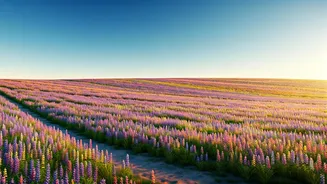
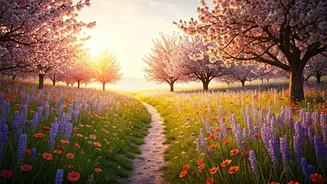
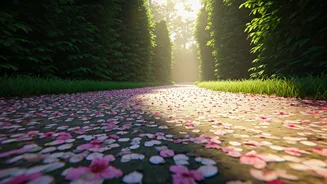
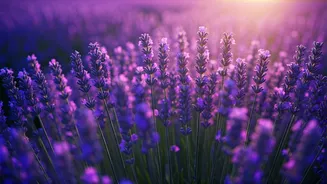
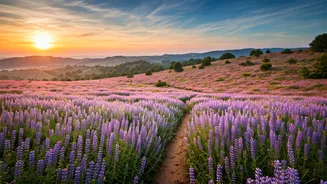
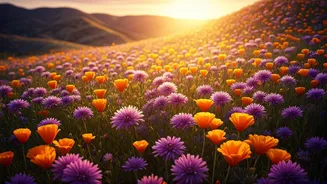
Why does this feel so resonant right now? Because a bloom has a deadline. You can’t binge-watch a cherry blossom festival. You can’t save a superbloom for later. This scarcity infuses the experience with a sense of urgency and preciousness. In a world where we can have almost anything delivered tomorrow, the idea of waiting an entire year for a two-week window of peak color feels revolutionary. This kind of travel forces a state of mindfulness. You have to be present. The goal isn't to conquer a city; it’s to witness a quiet miracle. Standing in a field of Texas bluebonnets or a valley of California poppies requires nothing of you but your attention. It’s an active antidote to the passive scroll, replacing digital saturation with sensory immersion. The scent of lavender, the sight of a million tulips, the gentle drift of blossom petals—these are analog moments that can’t be fully replicated on a screen.
Building a Calendar Around Color
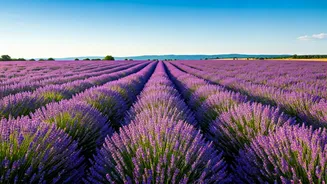
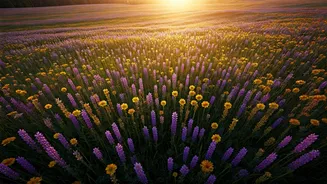
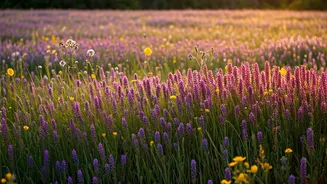
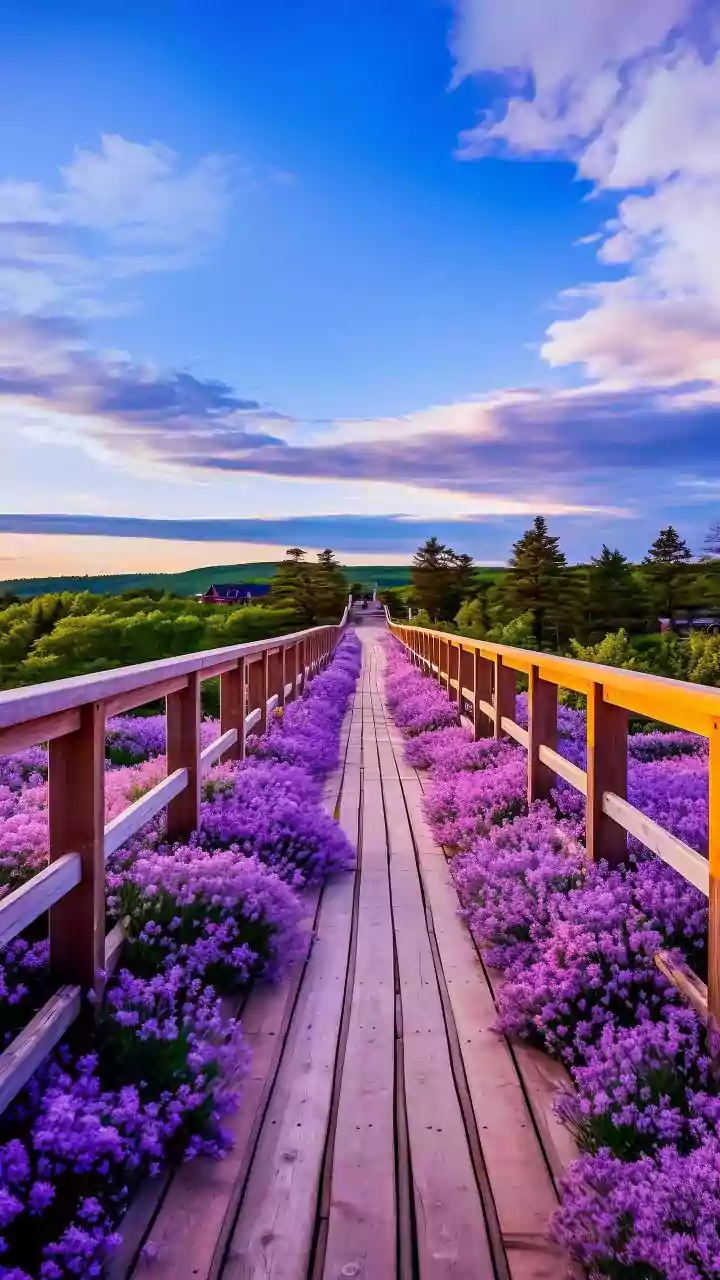
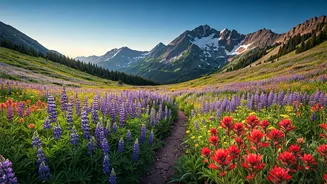
This trend isn't just for globetrotters; it's happening right in our backyard. The U.S. offers a year-round calendar of floral appointments. Spring might mean a pilgrimage to Washington, D.C. for the iconic Cherry Blossom Festival in late March or early April. Shortly after, travelers flock to the Texas Hill Country to drive the Bluebonnet Trail or to Washington's Skagit Valley for its world-famous Tulip Festival. Come summer, the focus shifts. Lavender festivals pop up in Oregon’s Willamette Valley and on Washington’s Olympic Peninsula, offering a fragrant, purple-hued escape. In late summer, vast sunflower fields in states like Kansas and North Dakota become golden destinations for photographers and wanderers alike. And of course, the original American bloom-based getaway remains the fall foliage tour through New England, where entire regional economies are built around the brief, brilliant spectacle of changing leaves. Each event offers a different texture, a different palette, and a different reason to book a flight or pack the car.
More Than Just a Photo Op
Of course, it’s impossible to ignore the Instagram effect. These vibrant landscapes are undeniably photogenic, and social media has certainly amplified their popularity. But to dismiss bloom-chasing as a mere hunt for the perfect selfie is to miss the point. The photo is no longer just proof you were there; it’s a memento of the intention itself. It’s a souvenir of the planning, the patience, and the perfect timing it took to be in that exact spot at that exact moment. The shared images become a form of communal appreciation, inspiring others to seek out their own moments of ephemeral beauty. It’s a visual celebration of a conscious choice: the choice to slow down, to look closely, and to organize a trip not around what’s permanent and famous, but what’s temporary and profound.