



Your Six-Dollar Shopping List
Forget big-box garden centers with their tempting displays of mature plants and oversized bags of soil. Your mission is to be ruthlessly efficient. Your entire budget is going toward one thing: potential. First, head to the seed rack. Look for a single
packet of "cut-and-come-again" leaf lettuce, spinach, or a mesclun mix. These varieties are key because you can harvest their outer leaves repeatedly, and the plant will continue to produce. A packet of high-quality seeds costs between $2 and $4 and contains dozens, if not hundreds, of future plants. This is your most important purchase. With your remaining few dollars, buy the smallest bag of all-purpose potting soil you can find. Don't worry if it seems too small; we're starting lean. If your budget is stretched, ask a neighbor with a garden if you can have a few scoops of soil—many gardeners are happy to share. The goal is to leave the store with seeds, soil, and your dignity intact, having spent no more than six dollars.
Source Your Free Containers
The single biggest mistake new gardeners make is spending a fortune on fancy pots. You are not going to do that. Your mission is to find free, functional containers. The world is full of them. Look at your recycling bin with new eyes. Plastic yogurt tubs, rotisserie chicken containers (the deep black plastic kind), and even sturdy takeout containers are all potential homes for your greens. The only critical step is drainage. Plants sitting in waterlogged soil will die. Using a screwdriver, a drill bit, or the tip of a sharp knife (carefully!), poke three to five holes in the bottom of every container. This allows excess water to escape, keeping the roots healthy and preventing rot. You don't need a sprawling garden bed; a sunny windowsill, a small patch of a balcony, or a front stoop is all the real estate you require for this operation.
Planting for a Continuous Harvest
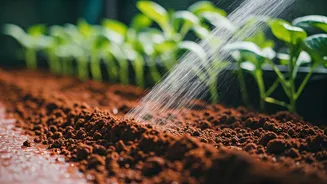
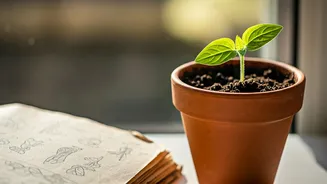
Now for the fun part. Fill your prepared containers with potting soil, leaving about an inch of space at the top. Moisten the soil with a bit of water until it’s damp but not soaked. Next, sprinkle your seeds thinly over the surface. Don’t worry about perfect spacing; you can thin them out later. Lightly cover the seeds with a whisper-thin layer of soil—about an eighth of an inch is plenty. Gently pat it down and give it a final, light mist of water. Place your newly planted containers in a location where they will get at least four to six hours of sunlight per day. A south-facing window is ideal for indoor growing. Now, patience is your primary tool. Keep the soil consistently moist but not swampy. Within a week or two, you should see the first tiny green sprouts emerge. This is the moment you officially become a gardener.
The Art of the Never-Ending Salad
The secret to turning a few seeds into an "abundance" is the harvesting technique. Once your leafy greens have grown to about three or four inches tall, your perpetual harvest begins. Do not pull the whole plant out. Instead, arm yourself with a pair of scissors or simply use your fingers. Harvest only the outer, larger leaves from each plant, taking no more than a third of the plant at a time. Leave the smaller, central leaves untouched. This is the heart of the plant, and as long as it remains, it will continue to generate new growth. By rotating which plants you harvest from each day, you can have a small, fresh-picked salad every single night. This "cut-and-come-again" method allows a handful of plants in a few humble containers to produce greens for weeks, if not months. Keep them watered, give them sun, and they will reward you a hundred times over.