


The Great Beige Backlash
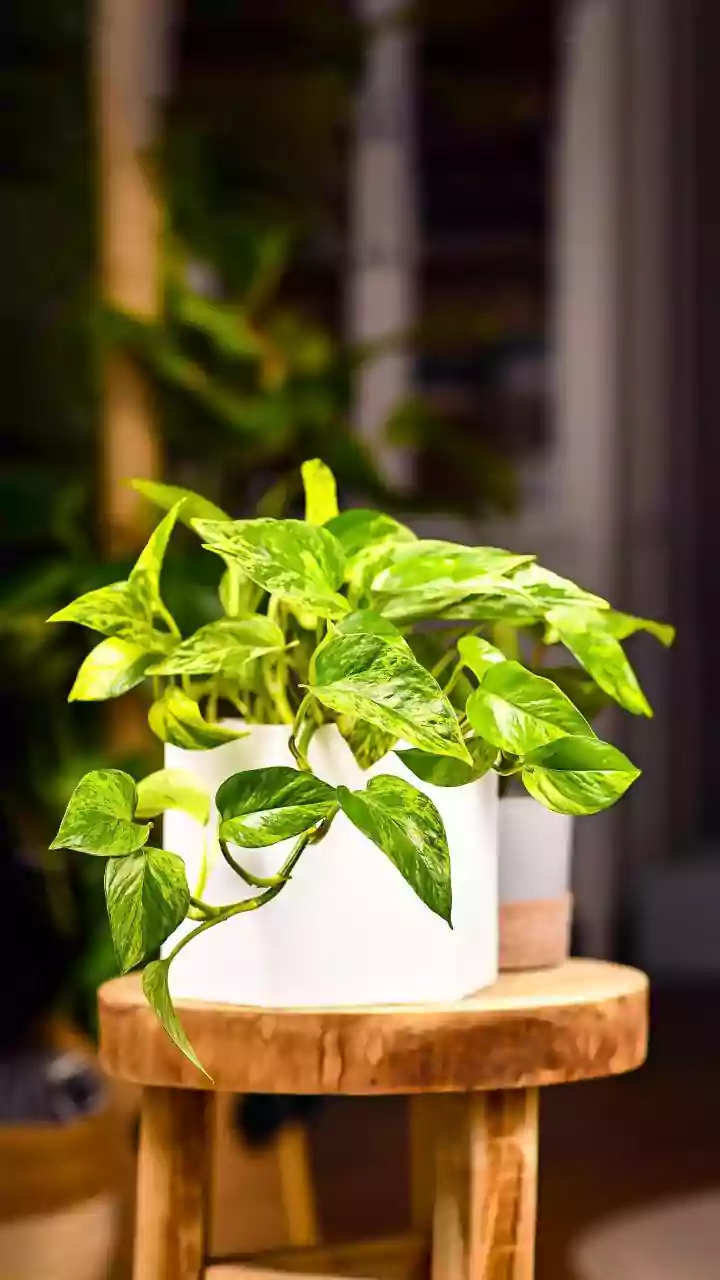
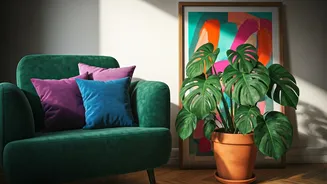
Remember the 2010s? It was the era of the 'sad beige' aesthetic, where aspirational living meant stripping your home of all personality. Walls were gray, sofas were neutral, and the only acceptable decor was a fiddle-leaf fig in the corner and a generic
abstract print. The goal was to create an impersonal, hotel-like space that screamed 'good taste' by saying almost nothing at all. This minimalist wave, fueled by the early days of Instagram and Pinterest, was about creating a clean, marketable backdrop for life, rather than a home that reflected the messy, interesting person living in it. But after years of living in these serene-bordering-on-sterile showrooms, a collective fatigue has set in. We’re tired of homes that look like they could belong to anyone. We want them to look like they belong to *us*.
Enter Dopamine Decor
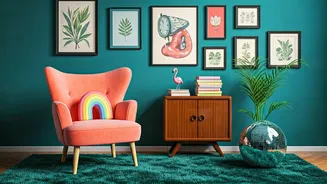
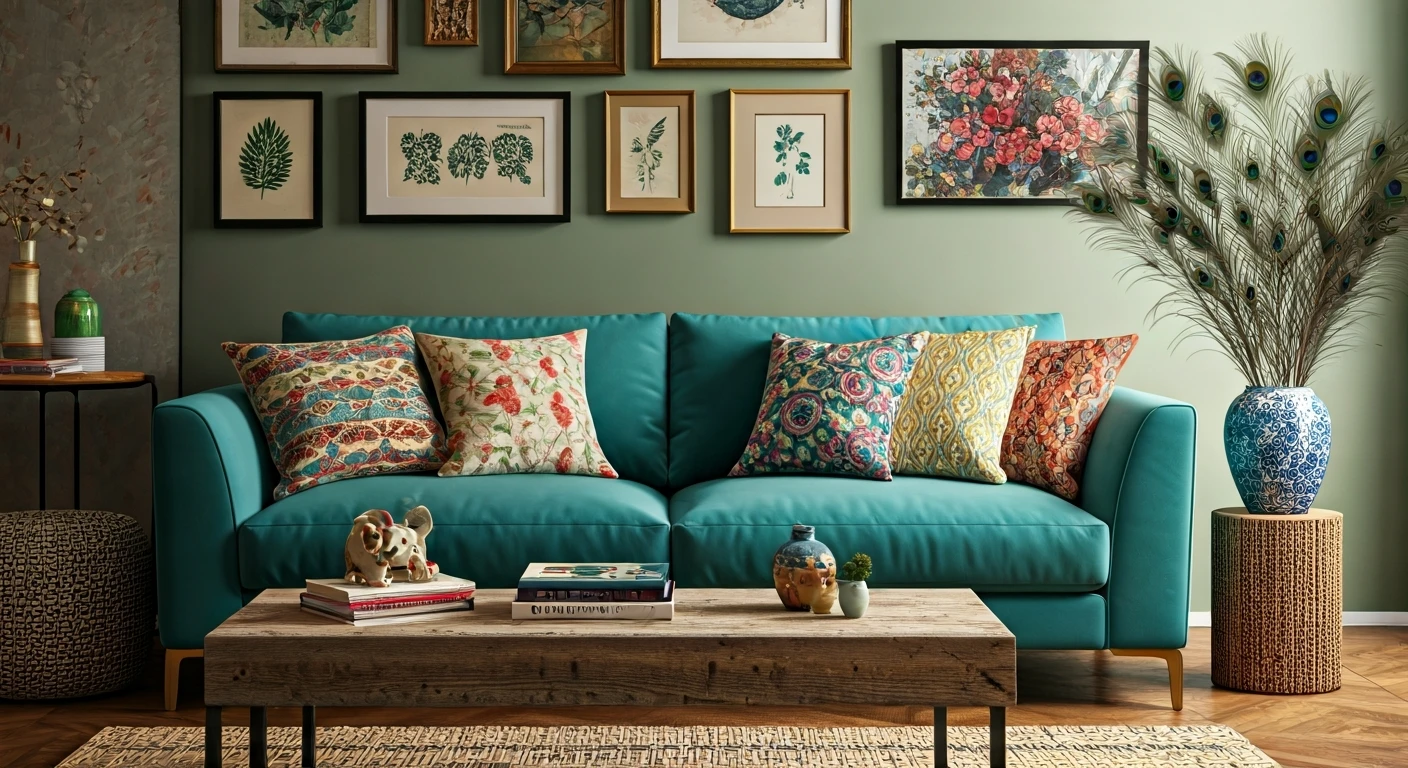
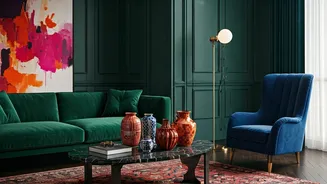
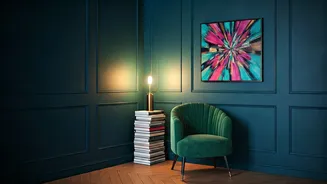
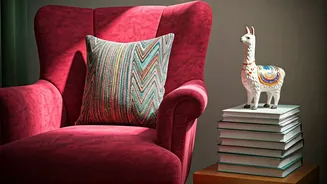
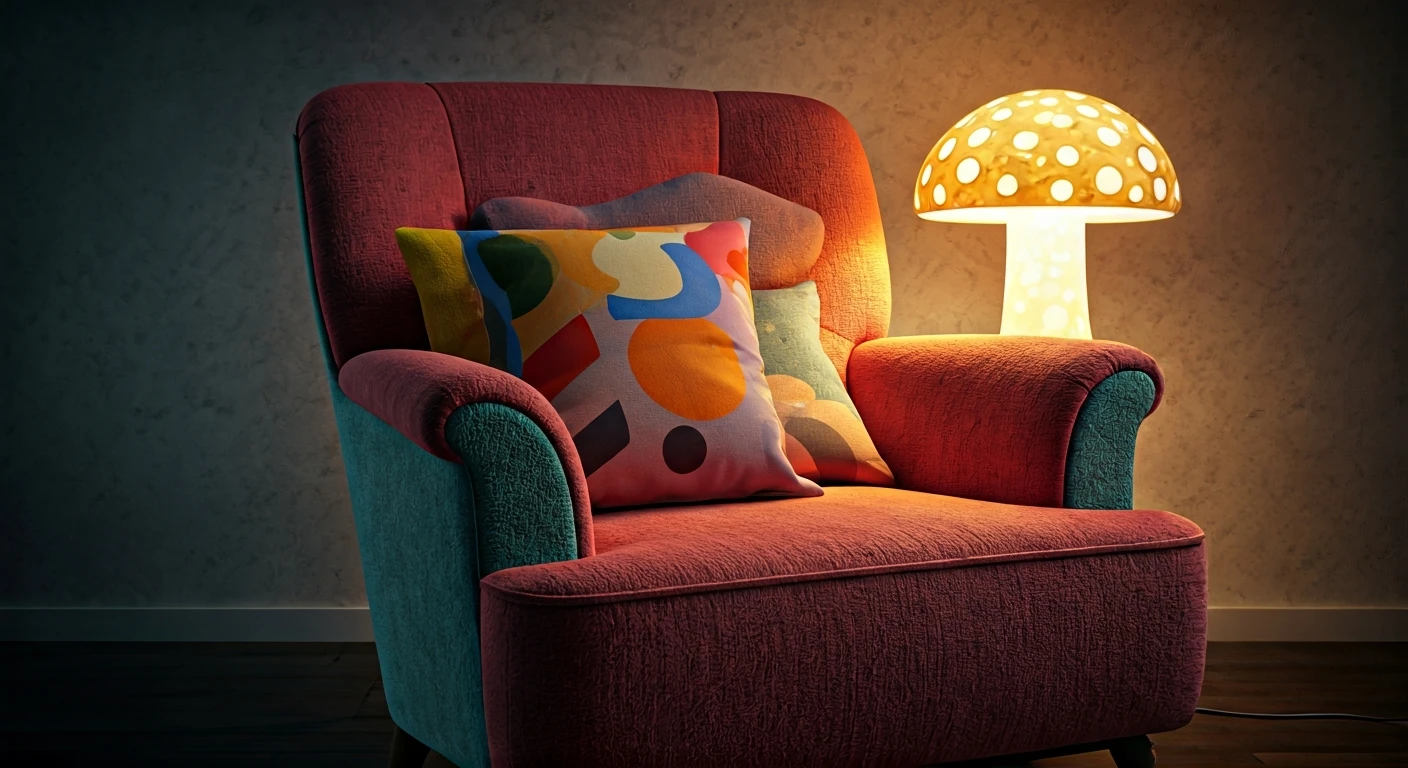
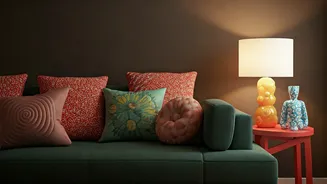
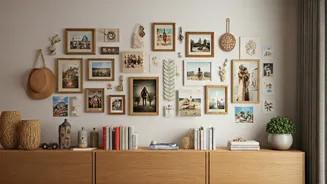
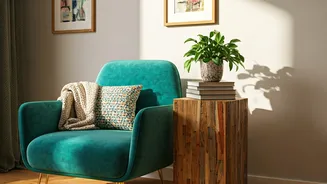
The antidote to the gray-scale gloom has arrived, and it goes by several names: 'dopamine decor,' 'maximalism,' or the more affectionately chaotic 'cluttercore.' At its heart, this trend is about surrounding yourself with things that make you happy. It’s a riot of color, a clash of patterns, and a celebration of texture. Think canary yellow accent walls, velvet jewel-toned sofas, bold floral wallpaper in the bathroom, and gallery walls that mix fine art with your niece’s crayon drawings. The guiding principle isn’t a rigid set of design rules, but a simple question: Does this bring me joy? Instead of hiding your quirky collections of vintage salt shakers or kitschy souvenirs, dopamine decor encourages you to put them on full display. It’s a design philosophy rooted in sensory pleasure and emotional connection, turning your home into a personalized mood board you can live in.
Why Your Stuff Is the New Status
So why is showing off your personality at home the new 'flex'? The shift is deeply rooted in a post-pandemic reevaluation of our living spaces. After being confined to our homes, we realized they needed to be more than just a place to sleep; they needed to be sanctuaries that nurtured our well-being and reflected our inner lives. Simultaneously, on social media platforms like TikTok, authenticity has become the ultimate currency. Younger generations are less impressed by traditional displays of wealth and more interested in genuine self-expression. A perfectly curated, minimalist home can feel sterile and detached, while a home filled with unique objects, personal history, and humor tells a compelling story. It signals that you have a rich inner life, a point of view, and a sense of playfulness. In a world of digital avatars and curated online personas, your home has become the final frontier of authentic identity.
How the Flex Takes Shape
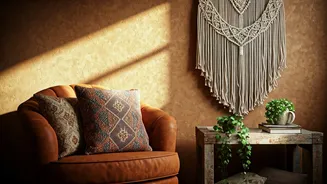
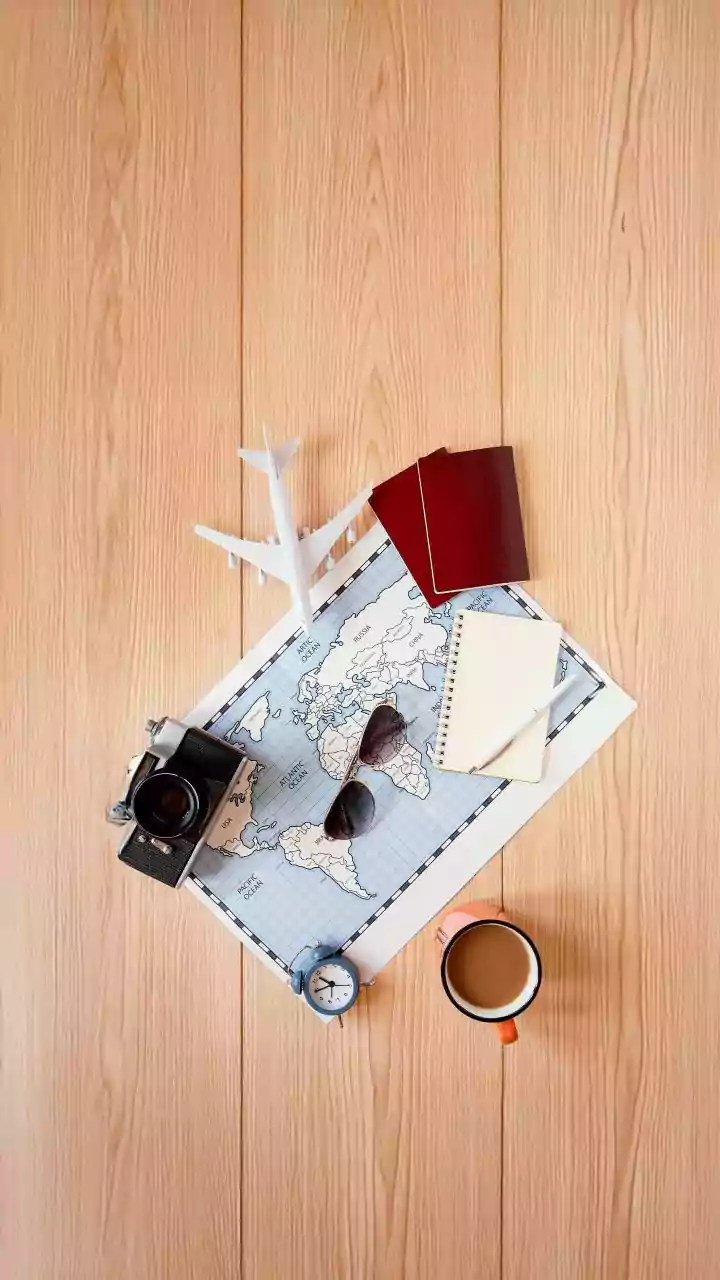
This personality flex isn't about buying expensive, designer-approved 'quirky' items. It’s about the art of the personal mix. It’s the worn leather armchair you inherited from your grandfather sitting next to a sleek, modern side table you found on sale. It’s a bookshelf organized by color, not just author, because it looks delightful. It’s a gallery wall that tells the story of your life: a concert ticket stub from your favorite show, a postcard from a memorable trip, a framed page from a beloved children's book, and a silly photo of your dog. The flex is in the curation—the evidence of a life fully lived. It’s in the confidence to pair stripes with florals, to paint a room a daring color, and to proudly display the ceramic frog your friend made in a pottery class. It's a move away from aspiration (what designers say is cool) and toward autobiography (what is uniquely you).