





The Wait for Water
Imagine a landscape defined by thirst. For most of the year, the Aravalli Hills surrounding Udaipur, India, are a study in beige and ochre, baked by a relentless sun. The city’s famous lakes shrink, their edges receding, and the air hangs thick with a fine golden
dust. This is Rajasthan, a state known for its deserts and its regal, arid beauty. But the people here, and the land itself, spend months in quiet anticipation, scanning the horizon for a change in the sky. The arrival of the monsoon in late June or July isn't just a weather event; it’s a city-wide celebration, a collective exhale as the first heavy drops of rain finally fall, bringing with them the promise of renewal and a profound shift in atmosphere.
A City Washed Anew
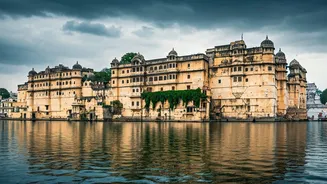
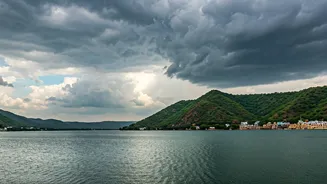
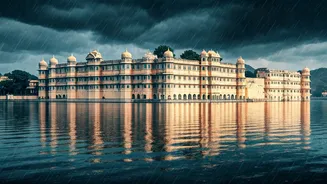
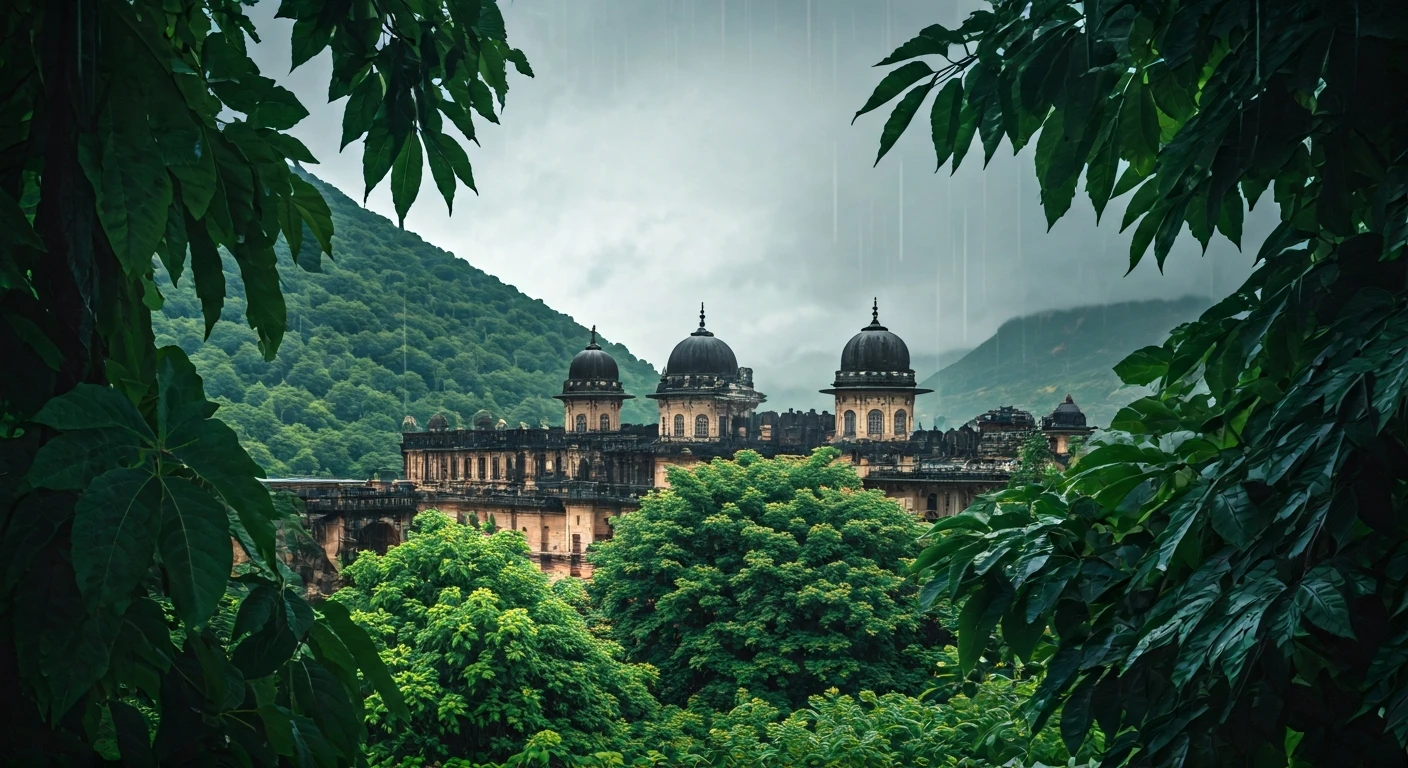
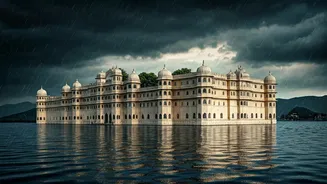
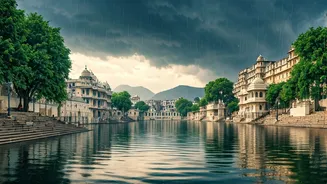
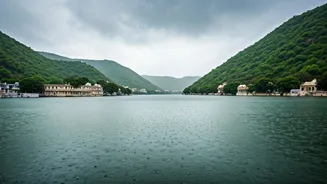
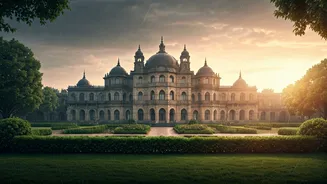
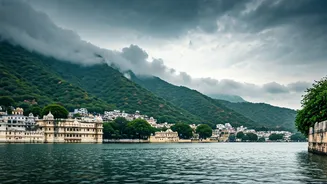
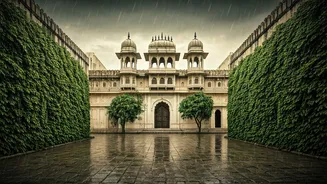
When the rain comes, it’s as if a painter has swapped palettes. The dust is washed from the ivory-white marble of the City Palace, leaving it gleaming under dramatic, slate-grey skies. The intricate latticework of the havelis, or traditional mansions, drips with water, their courtyards echoing with the steady rhythm of the downpour. The parched Aravalli Hills suddenly erupt in a surprising, almost impossibly lush green. The entire city, known as the “Venice of the East,” comes alive. Lake Pichola, the heart of Udaipur, swells and deepens, its surface dimpled by a million raindrops. The iconic Lake Palace, which can seem stranded on a smaller patch of water in the dry season, once again appears to float ethereally in the middle of a vast, shimmering expanse.
The Poetry of the Monsoon
This is where the romance truly begins. The monsoon transforms sightseeing from a checklist into an experience. A boat ride on Lake Pichola becomes a journey into mist, with the grand facade of the City Palace appearing and disappearing in the clouds. The famous floating palace is no longer just a landmark but a mysterious silhouette, its lights glowing softly through the rain-streaked air. The mood inside the city's cafes and palace hotels shifts to something more intimate and cozy. There’s a particular magic to sitting in a window seat of an old haveli, a cup of chai in hand, watching the storm roll over the water. The typical tourist crowds thin out, replaced by a quieter, more contemplative energy. It’s a time for reading, for conversation, and for simply watching the world be cleansed.
An Invitation to Slow Down
Choosing to visit Udaipur during the monsoon is an embrace of atmosphere over perfect weather. It’s for the traveler who understands that a dramatic, moody sky can be more beautiful than a plain blue one. It’s about smelling the *petrichor*—the earthy scent of rain on dry soil—mingling with the fragrance of jasmine from a hidden courtyard. It’s hearing the call to prayer echo across the water, its notes softened by the steady drumming of the rain. The grandeur of the palaces remains, but the monsoon adds a layer of emotional depth, a feeling of being let in on a secret. The rain doesn't obscure the beauty of the city; it amplifies it, turning a tour of lakes and palaces into a deeply romantic and unforgettable escape.