





The Surprising Truth About a June Visit
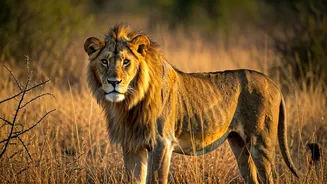
Let’s address the elephant—or rather, the lion—in the room. While the idea of a June safari is appealing, visiting India’s Gir National Park during this month is actually impossible. The park, the sole home of wild Asiatic lions, officially closes to
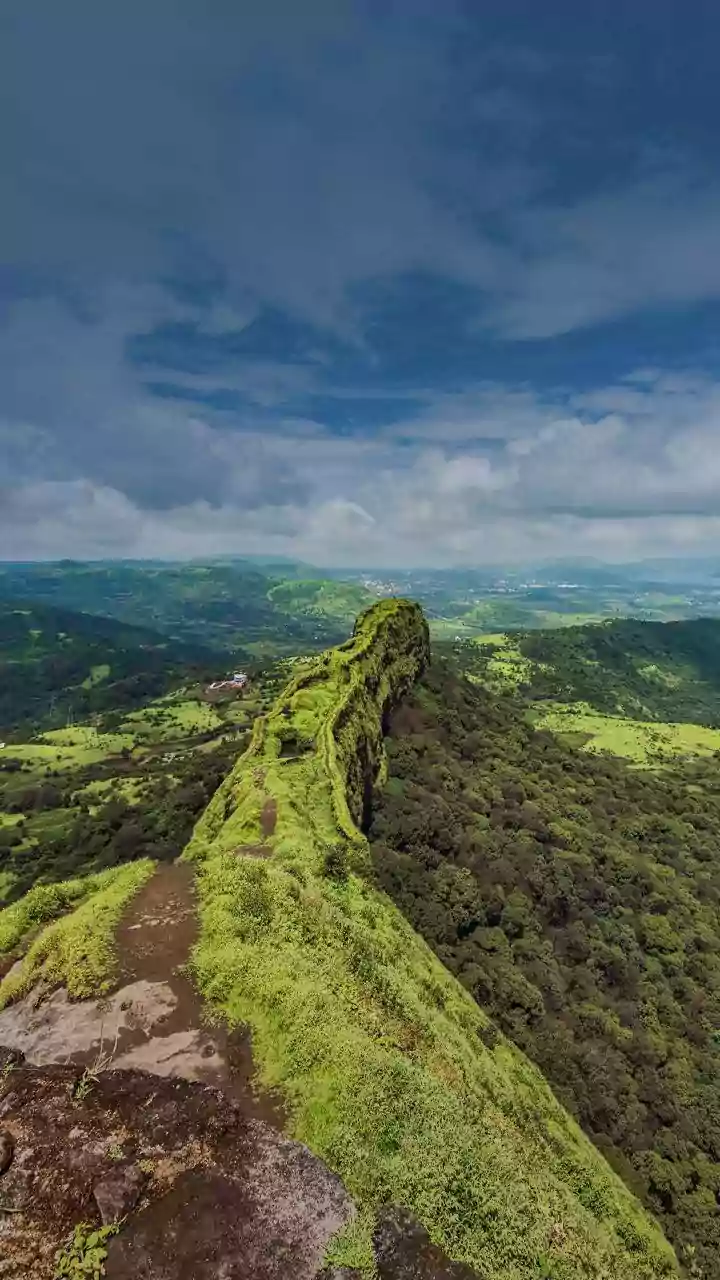
visitors around June 16th each year and doesn’t reopen until mid-October. The reason is simple and powerful: the monsoon. The annual rainy season transforms the dry, dusty landscape into a lush, green jungle. While vital for the ecosystem, the heavy rains make safari trails impassable and unsafe. So, if you see an advertisement for a June trip to Gir, consider it a red flag. Planning your adventure for the correct season is the first and most crucial step to a successful journey.
The Real Prime Time for Lion Spotting
The best time to experience Gir’s majesty is from December to March. During these winter months, the weather is pleasantly cool and dry, making for comfortable open-jeep safaris. The vegetation is less dense than in post-monsoon months, which significantly improves visibility and your chances of spotting lions, leopards, and the park’s diverse birdlife. For the truly dedicated wildlife enthusiast willing to brave the heat, the period from April to early June offers a different kind of advantage. As temperatures soar, water sources become scarce, and animals—including the lions—are more frequently seen congregating around the remaining waterholes. While the heat can be intense, your odds of a memorable sighting increase dramatically. Whichever window you choose, you’ll be witnessing the park when it’s at its most accessible and rewarding.
A Conservation Story You Can Witness
A trip to Gir is more than just a safari; it's a pilgrimage to the site of one of the world's greatest conservation triumphs. By the early 20th century, hunting had decimated the Asiatic lion population, with fewer than 20 individuals remaining, all confined to this small pocket of forest in Gujarat. Through dedicated conservation efforts by the local community and forestry department, the population has made a spectacular comeback. Today, there are over 670 lions thriving in the region. Seeing these magnificent animals lounging in the shade, crossing a trail, or hearing their roars echo through the forest is a powerful, humbling reminder of what’s possible when we commit to protecting wildlife. Every safari permit contributes directly to the continued protection of this unique and precious ecosystem.
How to Plan Your Gir Adventure
Planning is essential for a smooth trip. Safari permits for the main Gir Jungle Trail must be booked online, often months in advance, especially during the peak winter season. The park issues a limited number of permits for three daily time slots: early morning, late morning, and afternoon. The early morning safari is often considered the best for animal activity. Accommodation ranges from basic government guesthouses to luxurious safari lodges located on the park's periphery. When booking your stay, confirm your proximity to the main Sinh Sadan orientation center, where all safaris begin. For those with limited time or who want a guaranteed sighting, the Devalia Safari Park (also known as the Gir Interpretation Zone) is an excellent option. It’s a large, fenced-in area that hosts a representative sample of Gir’s wildlife, offering a bus tour that provides a near-certain look at the lions.