





A Post-Pandemic Reassessment
The great remote-work experiment of the 2020s fundamentally changed the American dream. Suddenly untethered from a five-day-a-week commute to a major corporate hub, millions of workers began to re-evaluate what they wanted from their hometown. Proximity
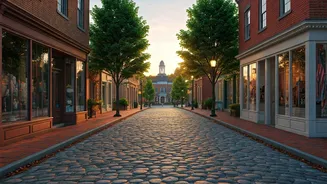
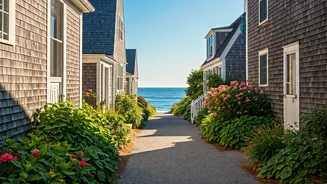
to the office became less important than proximity to, well, everything else. This shift was a game-changer for the Northeast. The region's dense network of historic towns and small-to-mid-sized cities, once seen as satellites to giants like New York and Boston, became destinations in their own right. Why live in a sprawling suburb an hour from a city you no longer have to visit, when you could live in a walkable town with its own character, coffee shops, and community?
The Rise of the 'Second Cities'
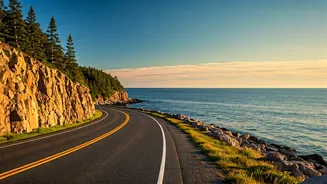
While the costs in Boston and New York City remain a barrier for many, the real story is happening in the region’s smaller urban centers. Cities like Portland, Maine; Providence, Rhode Island; Burlington, Vermont; and even Buffalo, New York, are experiencing a renaissance. They offer a potent combination that’s hard to find elsewhere: affordability (relative to the Tier-1 metros), rich cultural histories, vibrant food scenes, and easy access to stunning natural landscapes. You can get a world-class meal in Providence, spend the next day at the beach, and still be a short train ride from Boston or New York. This blend of urban energy and natural escape is proving to be a powerful magnet for young professionals and families looking for a more balanced life.
The Allure of Four Seasons
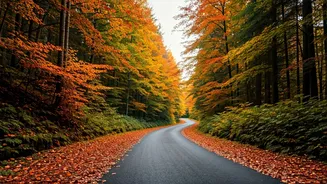
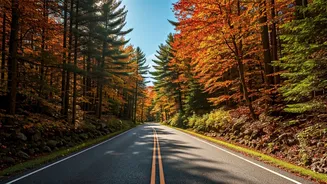
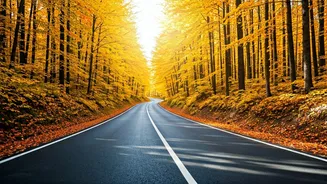
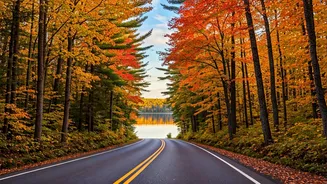
For years, the Northeast's winter was its biggest marketing problem. Now, for a growing number of people, it's becoming a feature, not a bug. After years of relentless heat waves, wildfires, and droughts plaguing other parts of the country, the appeal of a distinct four-season climate is growing. There’s a rhythm to life in the Northeast that many are finding restorative. The crisp air of autumn, the cozy introspection of a snowy winter, the vibrant bloom of spring, and the lush, green summers offer a variety and texture that monolithic climates lack. The Danish concept of “hygge”—a feeling of cozy contentment—feels tailor-made for a snowy New England evening. People aren't just tolerating winter; they're embracing it with skiing, ice skating, and the simple joy of a fireplace.
A New Definition of 'Quality of Life'
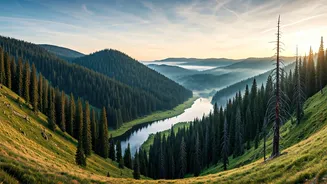
Ultimately, the Northeast's newfound popularity boils down to a shifting definition of the good life. The old model, based on a big house and a two-car garage, is giving way to a desire for community, walkability, and cultural enrichment. People want to be able to stroll to a farmer’s market, catch a show at a local theater, or hike a mountain trail after work. The Northeast, with its centuries-old town planning and protected natural spaces, is uniquely positioned to deliver on this vision. The region’s deep investments in public education, healthcare, and infrastructure, long taken for granted, are now being seen as critical assets in a turbulent world. It’s a trade-off: you might get a smaller yard, but you gain a richer, more connected life outside your front door.