




What Exactly Is a 'Monsoon Flex'?
In many parts of the U.S., summer doesn’t just mean heat; it means humidity and drenching rains. Whether you’re in the Southwest during the monsoon, the Southeast during a thunderstorm-filled August, or anywhere with intense summer showers, this season
can be tough on a garden. Delicate plants get beaten down, and fungal diseases run rampant. A “monsoon flex” is about choosing plants that don’t just survive this challenging weather but actively thrive in it. It’s about turning the season’s biggest challenge—water, and lots of it—into a glorious advantage. Instead of fighting the climate, you’re curating a garden that comes alive when the storm clouds gather, putting on its best show when other plants are struggling. It’s a strategic choice that signals a deep understanding of your environment, and nothing embodies this spirit better than a climbing jasmine.
The Jasmine Advantage: Scent, Vigor, and Resilience
So why jasmine? These climbers are practically built for a hot, wet summer. First, the vigor. With ample water and heat, many jasmine varieties explode with growth, eagerly covering a trellis, fence, or arbor in a single season. What looks like a delicate vine is actually a powerhouse, converting summer’s energy into a lush wall of green. Second, the fragrance. Jasmine’s iconic scent is carried on the air, and that effect is magnified by humidity. A post-rainstorm garden with a blooming jasmine is an immersive, intoxicating experience. The scent hangs heavy in the damp air, transforming your backyard into a fragrant oasis. Finally, there's resilience. While you need to ensure good drainage to prevent root rot (a must for almost any plant), jasmine’s thirst and love for sun make it a perfect match for a season of extremes. It takes the summer deluge and turns it into perfume.
Pick Your Player: The Best Climbers for the Job
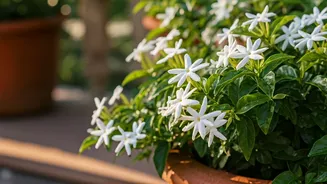
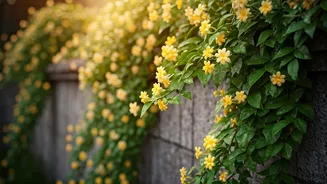
Not all jasmines are created equal, and some aren’t even 'true' jasmines. Here are a few all-stars perfect for a fragrant, climbing display: **Star Jasmine (Trachelospermum jasminoides):** Let’s get this out of the way—it’s not a true jasmine, but it’s arguably the best all-arounder for this job in many U.S. climates (Zones 8-10). Its evergreen, glossy leaves provide year-round structure, and the small, star-shaped white flowers are powerfully fragrant. It’s tough, relatively drought-tolerant once established, but loves the boost from summer rains and humidity to fuel its blooming and climbing. **Common Jasmine (Jasminum officinale):** Also known as Poet’s Jasmine, this is the classic. It's a deciduous vine with delicate, pinnate leaves and intensely fragrant white flowers that bloom all summer long. It’s a true rambler, so it needs a sturdy structure and a gardener who isn’t afraid to prune it back to keep it in bounds. Thrives in Zones 7-10. **Pink Jasmine (Jasminum polyanthum):** If you want a truly explosive, fast-growing vine, this is your champion. Known for its clouds of pink buds that open into fragrant white flowers, it’s a spectacle in late winter and spring. In warmer climates (Zones 8-10), it can be an aggressive grower, perfect for covering an unsightly fence in a hurry, and it appreciates the summer moisture to fuel its growth for next year's show.
Mastering the Monsoon Growth Spurt
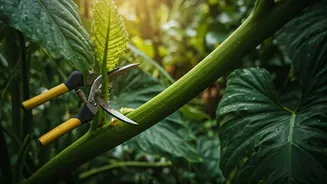
Embracing jasmine’s vigor means giving it what it needs to succeed without taking over your entire yard. First, structure is non-negotiable. Whether it’s a robust trellis, wire guides on a wall, or a sturdy pergola, give your jasmine something strong to climb from day one. Guide the young stems early to train them where you want them to go. Second, drainage is key. If you have heavy clay soil, amend your planting hole with plenty of compost or plant in a raised bed or large container to ensure excess water from downpours can drain away. Finally, don’t be shy with the pruning shears. The best time to prune is right after the main flowering cycle is over. This tidies up the plant, encourages bushier growth, and keeps its size manageable. Think of it as a haircut that sets the stage for next year’s performance.