



The Anatomy of a Monsoon Plate
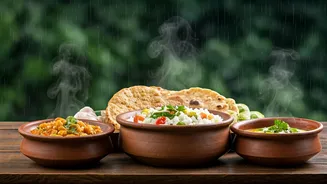
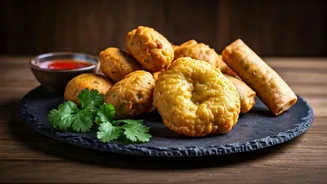
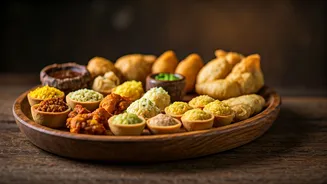
For hundreds of millions of people, particularly in South Asia, the arrival of the monsoon isn't just a weather event; it's a cultural season. And this season has its own official cuisine. The 'monsoon plate' isn’t a single dish, but an array of deep-fried
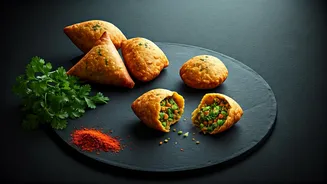
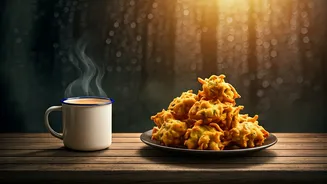
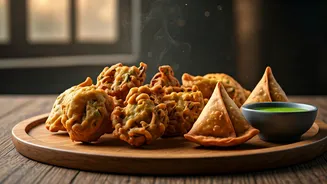
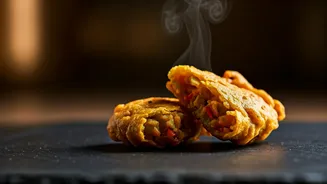
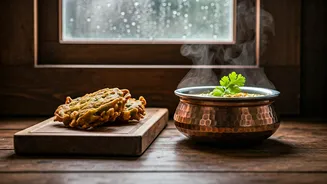
snacks, almost always served with steaming hot chai (spiced tea). We’re talking about pakoras (vegetables like onions or spinach dipped in chickpea flour batter and fried), samosas (crispy pyramids filled with spiced potatoes and peas), and bhajis (fritters). These aren't just foods; they are sensory anchors. The sound of batter hitting hot oil is the soundtrack to a rainy afternoon. The steam rising from a cup of chai is the perfect antidote to the damp chill. This experience is a communal ritual, a shared comfort enjoyed with family and friends while watching the rain lash against the windowpanes. It’s a moment of collective coziness, a tradition passed down through generations.
The Problem with All-or-Nothing Thinking
In the U.S., our modern wellness culture often sorts food into two starkly defined camps: 'good' and 'bad.' Fried foods, naturally, are cast as the ultimate villains—artery-clogging, calorie-dense temptations to be avoided at all costs. This binary thinking is what leads to the 'ban' mentality. We’re told to eliminate, restrict, and feel guilty for our cravings. But when we apply this rigid logic to something as culturally rich as a monsoon plate, we strip it of its meaning. We reduce a beloved tradition to a set of nutritional data points. The joy, the community, the memory, the very seasonality of the act—it all gets lost in a fog of self-judgment. Banning foods like these isn't a sign of discipline; it's a form of cultural and sensory deprivation. It ignores the fundamental truth that food is meant to be more than just fuel. It’s also about pleasure, connection, and identity.
What Balance Actually Looks Like
The alternative to the ban isn't a free-for-all. Nobody is suggesting a daily diet of fried snacks. The headline says it all: the goal is balance. Balance means understanding context. A plate of pakoras isn’t an everyday breakfast; it’s a special-occasion treat intrinsically linked to a specific time and feeling. Balance is about proportion and intention. It’s the difference between mindlessly eating a bag of chips in front of the TV and intentionally preparing or seeking out a plate of fresh, hot samosas to share with loved ones on a rainy day. One is a habit, the other is a ritual. Embracing balance allows you to savor these moments without guilt. It's about making conscious, joyful choices rather than being ruled by a list of forbidden pleasures. It recognizes that a healthy lifestyle has room for indulgence, especially when that indulgence is tied to tradition and community.
Embrace the Joy, Not Just the Calories
Ultimately, the argument for the monsoon plate is an argument for a more joyful, less clinical relationship with food. Think of other seasonal American traditions we cherish without a second thought. Is anyone running a nutritional analysis on a slice of Thanksgiving pumpkin pie? Do we track the macros of a hot dog at a Fourth of July barbecue? Of course not. We accept them as part of a larger cultural experience. The monsoon plate deserves the same respect. It’s a reminder that some of the most memorable meals have less to do with perfect nutrition and more to do with time, place, and company. It’s about the simple, profound pleasure of eating something delicious when the world outside is wet and gray, and you’re warm and safe inside.