


Beyond the Buffet Line
Forget the all-you-can-eat lunch buffet with its familiar trio of chicken tikka masala, saag paneer, and mountains of naan. While those dishes are beloved staples, they represent a tiny, often Westernized fraction of India’s vast culinary landscape. The
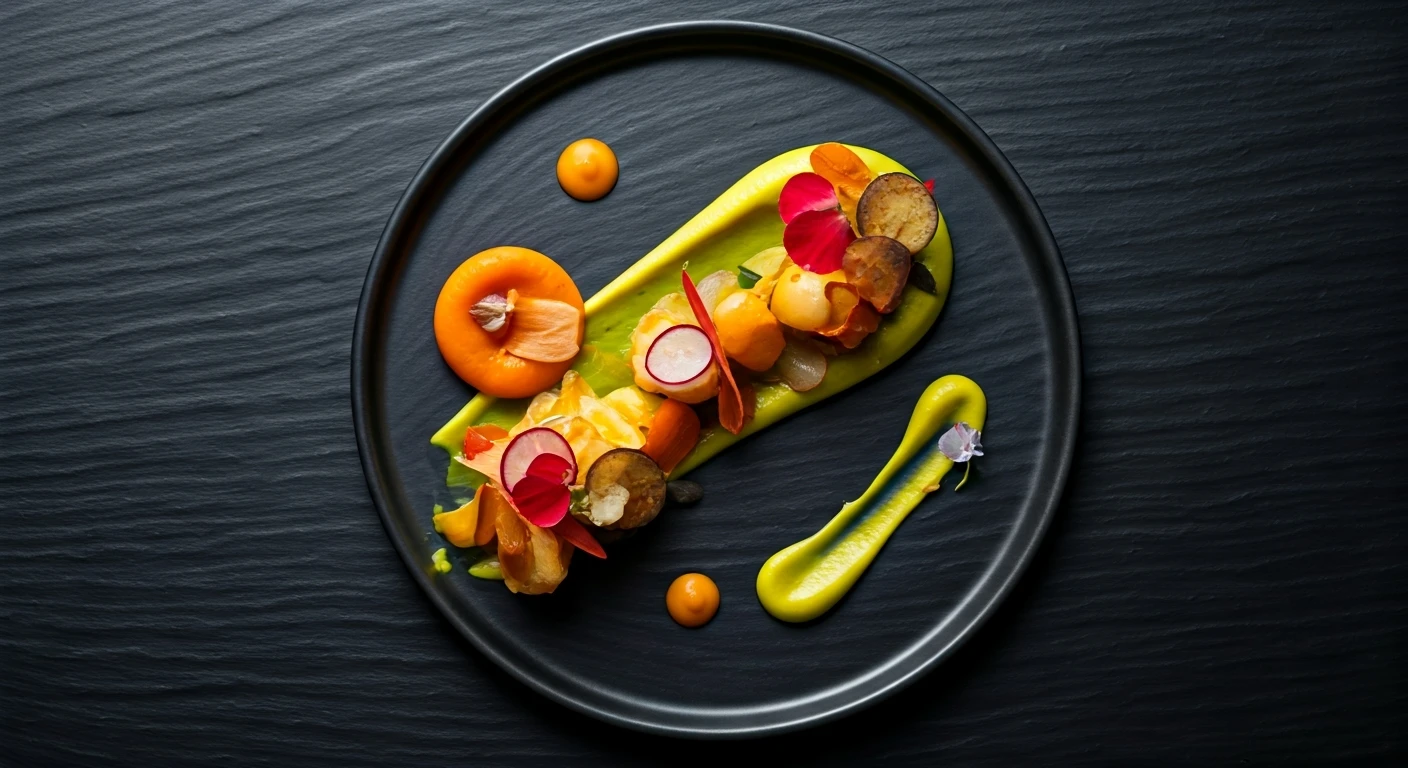
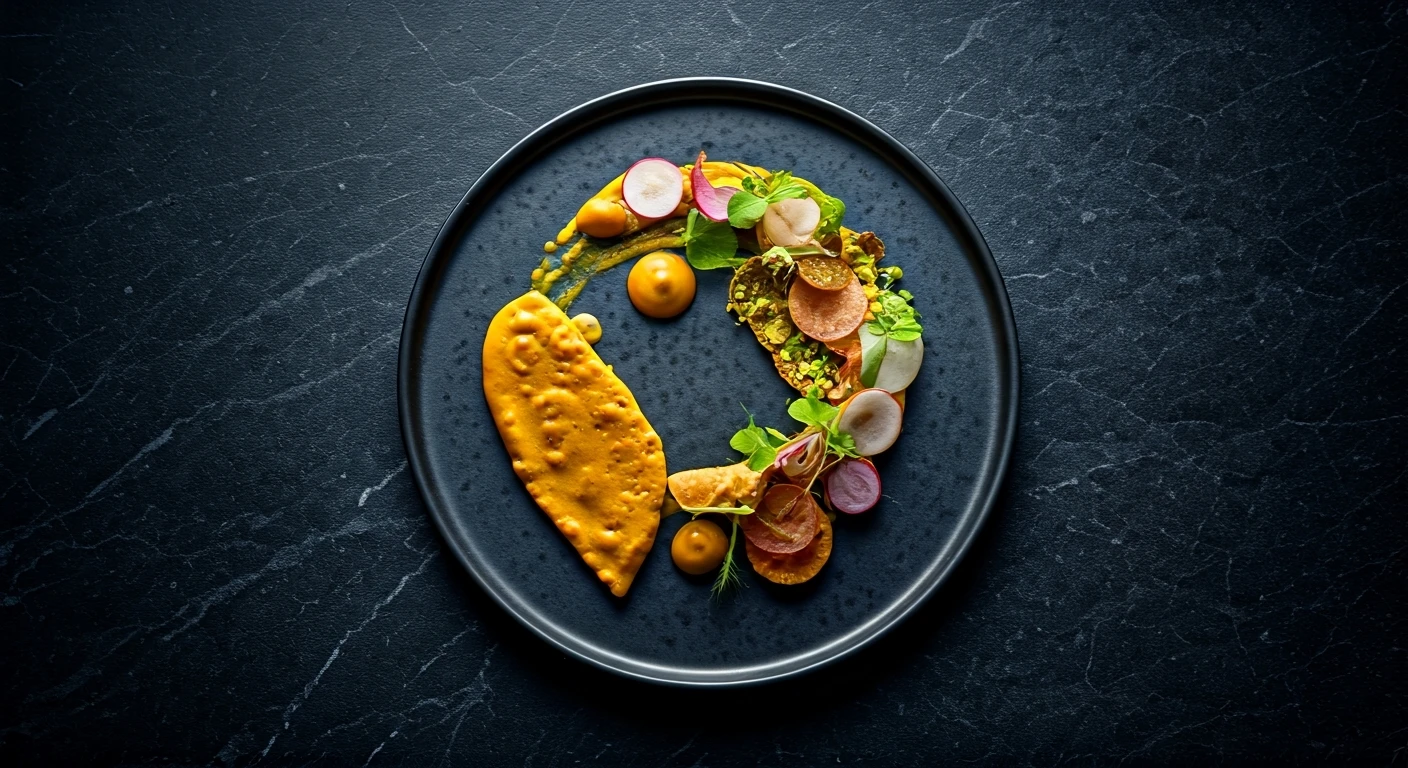
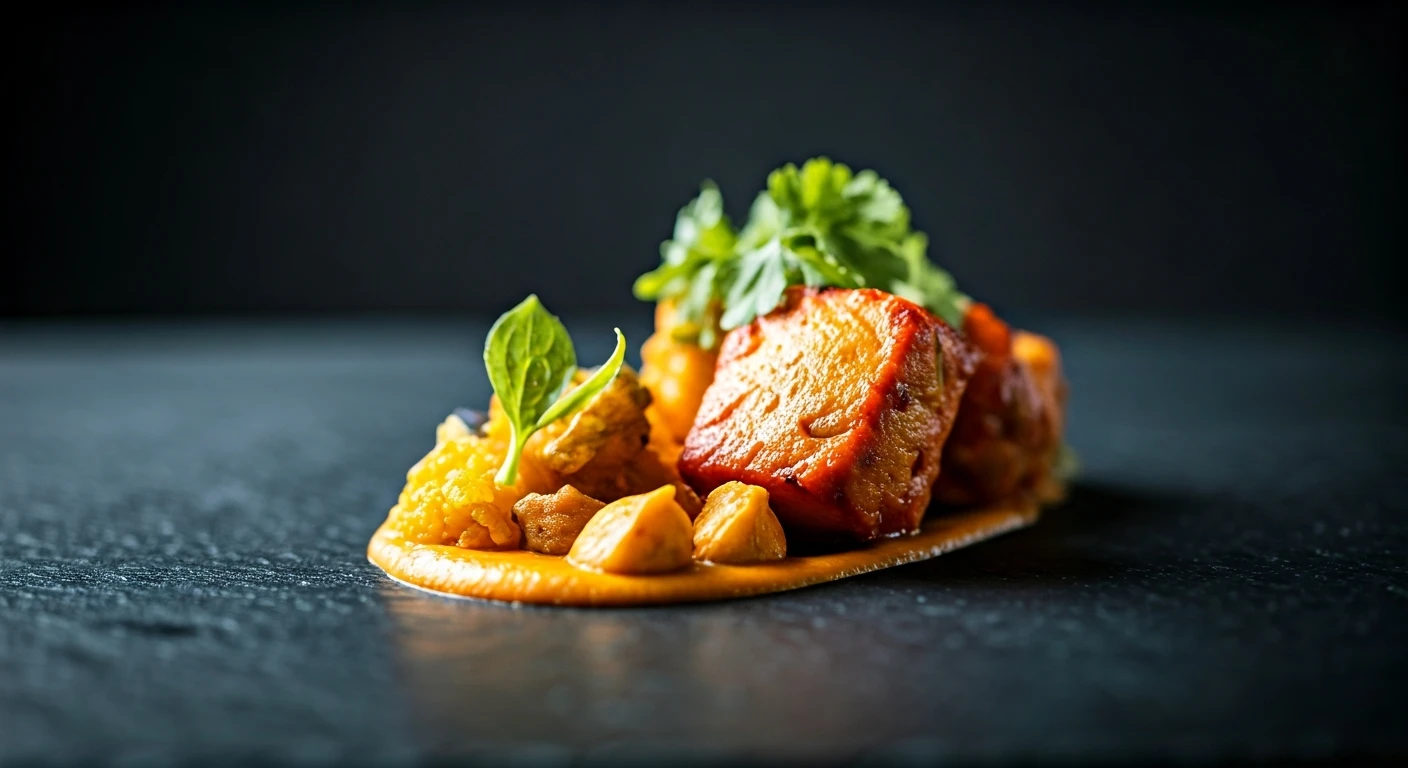
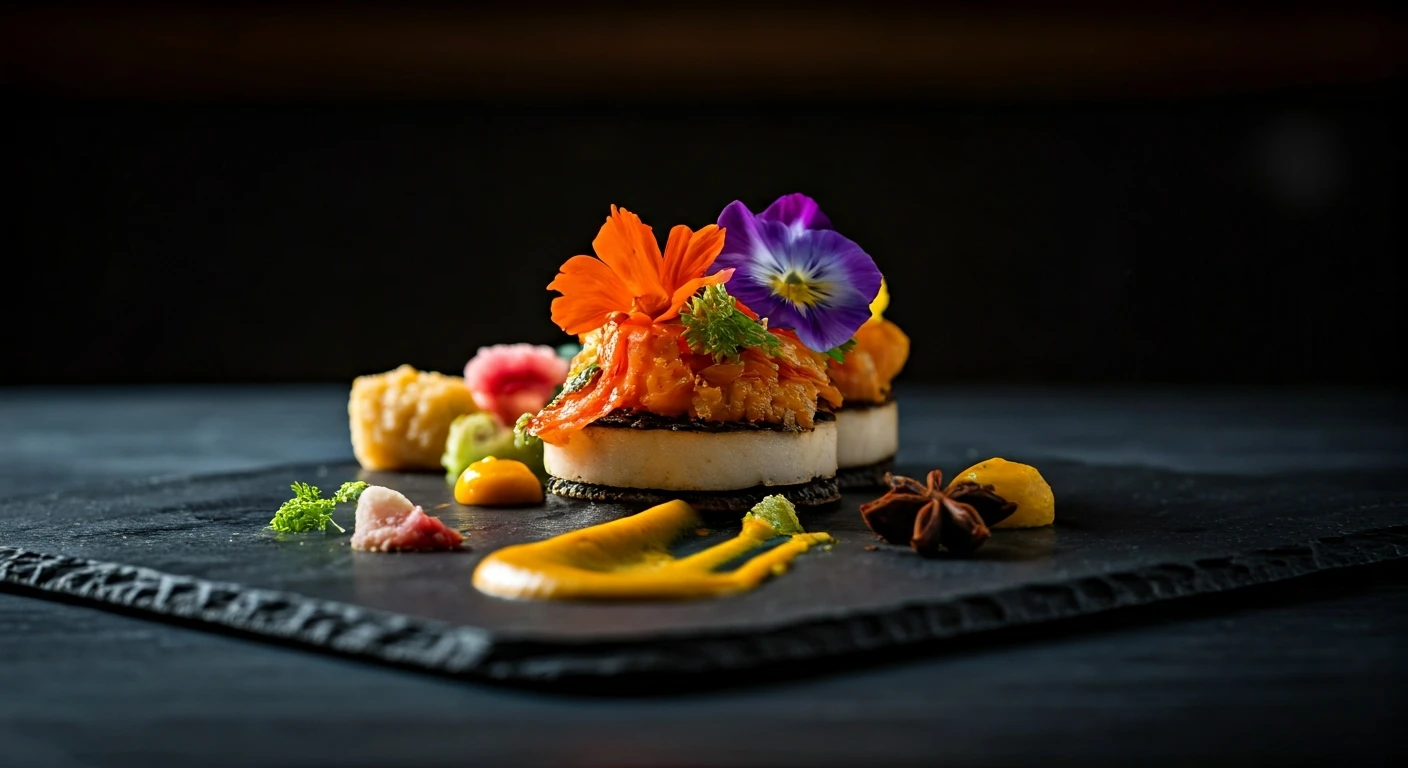
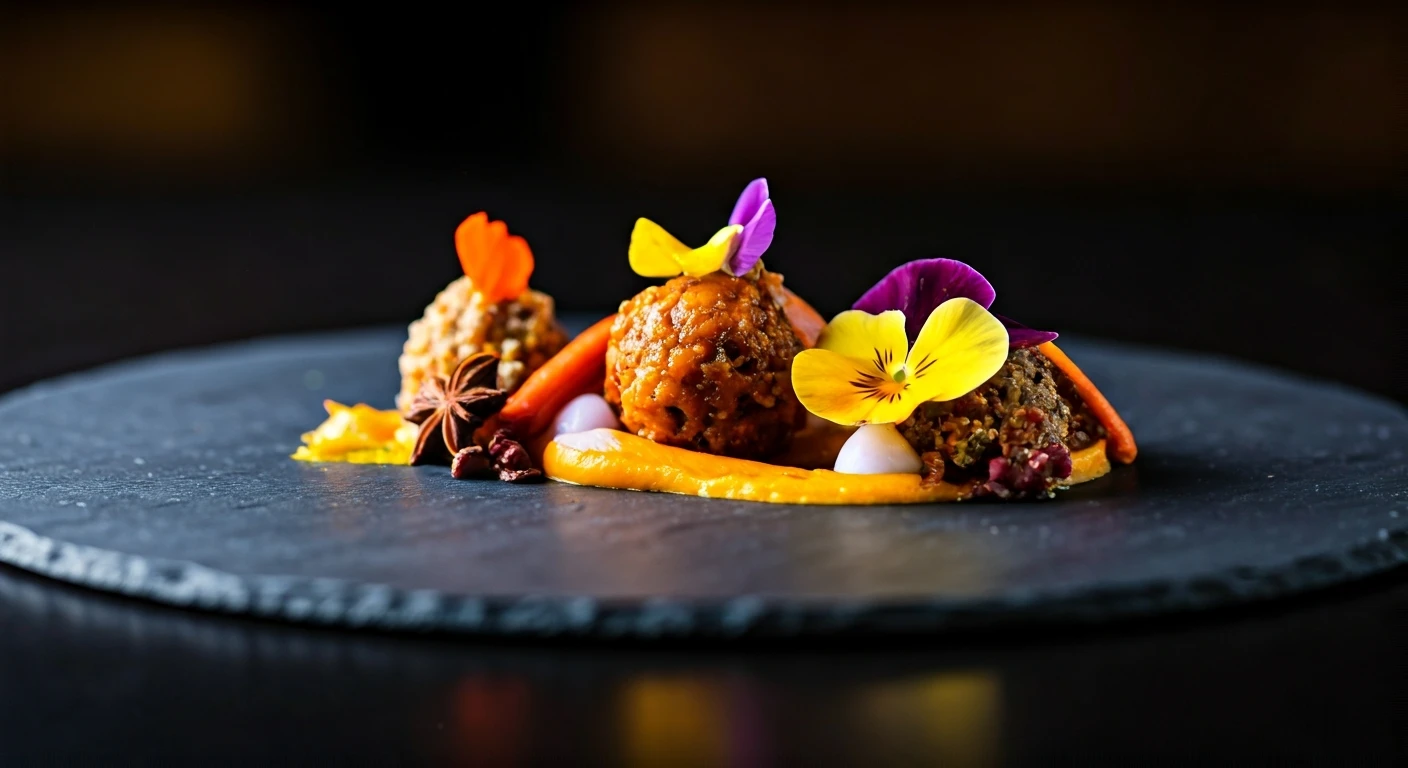
movement capturing the imagination of food critics in Singapore, Bangkok, and Hong Kong is about specificity, technique, and narrative. It’s about deconstructing—and then brilliantly reconstructing—the flavors of a specific region, a forgotten recipe, or a grandmother’s secret spice blend. These new-wave restaurants are presenting Indian food not as a cheap and cheerful monolith, but as a sophisticated, diverse, and ingredient-driven cuisine worthy of the same reverence reserved for French or Japanese culinary arts. They are swapping out heavy creams for lighter broths, using modern techniques like spherification and foams to reimagine classic textures, and plating dishes with an artistry that demands to be photographed before it’s devoured. It’s a complete rebranding, moving from dependable takeaway to destination dining.
The Michelin Star Effect
Nothing legitimizes a culinary movement faster than international accolades, and Indian restaurants in Asia have been collecting them at a rapid pace. The most prominent example was Gaggan Anand, whose eponymous Bangkok restaurant, Gaggan, was crowned the best in Asia four years in a row. His wildly inventive, 25-course emoji-menu tasting experience became a global phenomenon, proving that progressive Indian food could compete at the highest level. But the trend extends far beyond one celebrity chef. In 2018, Garima Arora became the first Indian woman to earn a Michelin star for her Bangkok restaurant, Gaa, where she applies modern European techniques to traditional Indian concepts. In Hong Kong, New Punjab Club earned a Michelin star for its elevated take on hearty Punjabi classics, while in Singapore, restaurants like Thevar and Revolver are drawing crowds for their contemporary Indian grill concepts. These awards serve as a powerful signal: this is not a fluke. It's a culinary renaissance being recognized by the world’s most discerning palates.
A New Guard of Chefs
Driving this change is a new generation of chefs with a unique pedigree. Many are Indian by heritage but trained in the world’s most demanding kitchens—from Noma in Copenhagen to The Fat Duck in England. They return to their roots armed with a global perspective and a mastery of technique, but with a deep-seated desire to explore their own culinary identity. They aren’t just copying European fine dining; they are reclaiming their own cuisine. This is a story of confidence. For years, many chefs felt they had to cook French or Italian food to be taken seriously in the fine-dining world. Today, they are looking inward, digging into the hyper-regional cuisines of Goa, Bengal, Kerala, and Rajasthan. They are researching ancient preservation methods, exploring the diversity of Indian breads beyond naan, and championing ingredients that rarely make it out of their native states. It’s a proud, unapologetic celebration of heritage, filtered through a modern, global lens.
Asia as the Perfect Audience
It’s no coincidence that this movement is flourishing in Asia’s food-obsessed cities. Unlike some Western palates that can be overwhelmed by complex spice, diners in places like Bangkok and Singapore have a native fluency in the language of chili, tamarind, fermentation, and intricate flavor balancing. They appreciate the nuance in a dish that is simultaneously sweet, sour, spicy, and savory. They understand the satisfying funk of fermented ingredients and the aromatic power of freshly ground spices. This sophisticated audience provides both the perfect testing ground and the toughest panel of judges. Chefs can’t get away with one-dimensional heat or cloying sweetness. To impress in Asia, their food must have depth, texture, and a clear point of view. This discerning environment is pushing Indian chefs to be more creative and precise, accelerating the cuisine’s evolution and solidifying its place within the top tier of Asian gastronomy.