





The Myth: Drastic Rules Deliver Results
The logic of extreme dieting was seductively simple: follow a rigid set of rules—no carbs, no sugar, only juice—and you’ll achieve a dramatic transformation. For years, diet culture sold this all-or-nothing approach as the only path to a healthier body.
We counted macros with militant precision, demonized entire food groups, and celebrated the willpower it took to say no. The problem, as millions of people have discovered, is that this framework is built for a sprint, not a marathon. Short-term results, if they came at all, were often followed by burnout, rebound weight gain, and a profound sense of failure. The human brain and body are not designed for long-term deprivation. This cycle of restriction and release has left a generation of dieters exhausted and looking for an exit ramp.
The Reality: Sustainability is the New Goal
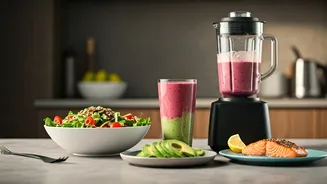
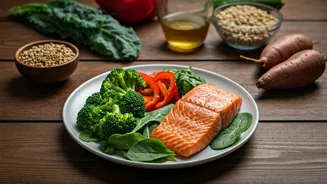
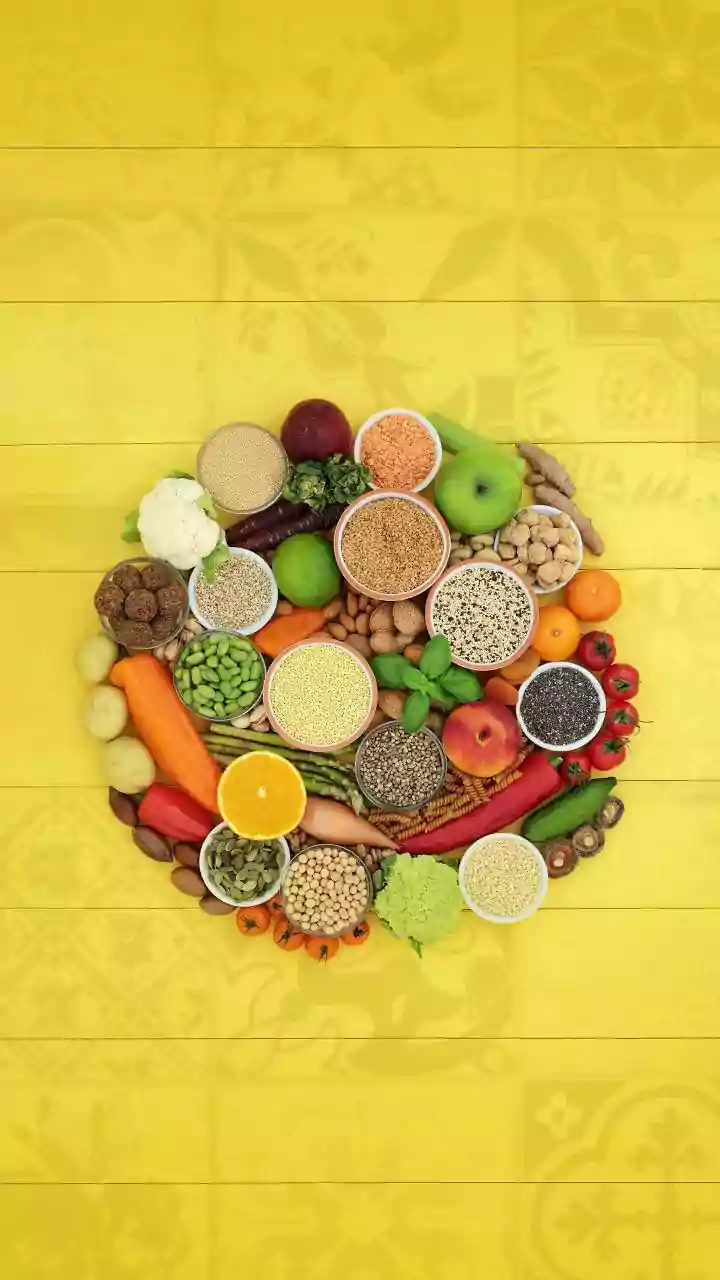
The new movement gaining traction is less about restriction and more about addition and consistency. Instead of asking, “What can I cut out?” the focus is shifting to, “What can I add to make this meal more nourishing?” This approach, championed by a new wave of dietitians and wellness experts, centers on building sustainable habits. It’s the idea of the “balanced plate”—a simple visual combining lean protein, complex carbohydrates, healthy fats, and plenty of fiber from fruits and vegetables. This isn’t a rigid prescription but a flexible template. The goal is not rapid, temporary change but the creation of a lifestyle that feels good and can be maintained indefinitely without a side of guilt or obsessive thinking. It acknowledges that true health is a long-term game, and consistency will always beat short-lived intensity.
The Myth: Food is Either 'Good' or 'Bad'
For so long, we’ve been taught to moralize our food choices. A salad was “good,” a slice of pizza was “bad,” and our self-worth often fluctuated accordingly. This binary thinking fostered a culture of food guilt and shame, where a single “cheat” meal could derail an entire week’s effort and trigger a spiral of negative self-talk. This framework created a fraught, anxiety-ridden relationship with the very thing that’s meant to nourish us. It ignored context, culture, and celebration, reducing food to a mere collection of nutrients or a source of calories to be burned. This mindset has been a cornerstone of the diet industry, creating a perpetual cycle of perceived failure that keeps consumers coming back for the next “fix.”
The Reality: From Food Guilt to Food Freedom
The counter-movement is about de-moralizing food and embracing neutrality. Concepts like “intuitive eating” and the “80/20 rule” (eating nutrient-dense foods 80% of the time, and enjoying soul-foods the other 20%) are gaining mainstream acceptance. This framework recognizes that all foods can fit into a healthy lifestyle. A brownie isn't a moral failing; it's a brownie. By removing the labels of “good” and “bad,” people are finding they can enjoy treat foods without losing control. When a food isn't forbidden, it loses its power. This shift is profoundly psychological, freeing up mental energy that was once spent obsessing over every bite. The new focus is on overall well-being—energy levels, mood, sleep quality, and mental peace—rather than just the number on the scale.