






The Old Guard: Iron and Isolation
For decades, the Indian “gym” was a place with a singular focus. Think less boutique wellness center and more no-frills, heavy-metal sanctuary. The landscape was dominated by two types of spaces: neighborhood gymnasiums filled with aging iron, dumbbells,
and benches, and the modern evolution of the 'akhada,' the traditional wrestling pit. The goal was often bodybuilding—gaining mass and strength through isolated movements. These gyms were overwhelmingly male-dominated, seen as spaces for serious lifters, not for group activities, community, or holistic wellness. The business model was simple: a low monthly fee for access to the equipment. The idea of a trainer-led, high-energy class was a foreign concept.
The Functional Wave Makes Landfall
Starting in the 2010s, a new idea began to filter into India’s major cities like Mumbai, Delhi, and Bangalore. It came via a globally-connected urban middle class, returning expats who’d experienced CrossFit in the U.S. or F45 in Australia, and the pervasive influence of social media. This was “functional fitness”—a philosophy centered on compound movements that mimic everyday life: lifting, squatting, pushing, and pulling. It prized agility, endurance, and overall health over sheer muscle size. Early adopters opened small, dedicated CrossFit boxes, which quickly gained a cult following among those seeking a more intense, community-driven workout. Suddenly, fitness wasn't just about how much you could bench press; it was about your WOD (Workout of the Day) time.
Adaptation 1: The Space and the Staff
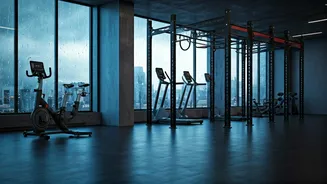
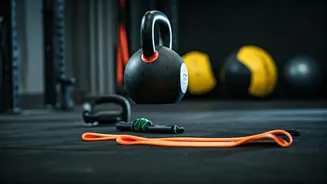
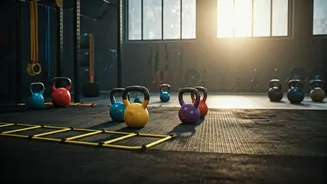
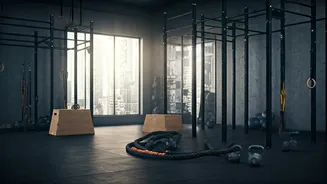
For traditional gyms, this new wave was an existential threat. Their old model couldn't compete. The adaptation began physically. Owners had to tear out rows of bulky, single-purpose machines to create open floor space for group classes. They invested in new equipment: kettlebells, battle ropes, plyometric boxes, and turf tracks. But the bigger challenge was human. A trainer who knew how to spot a bench press was not necessarily equipped to teach a high-intensity interval training (HIIT) class. This forced a massive industry-wide upskilling. Gyms had to hire certified functional trainers or invest heavily in retraining their existing staff to lead dynamic, engaging, and—most importantly—safe group sessions.
Adaptation 2: The Business Model Revolution
The most successful adapters didn’t just change their equipment; they changed their entire business. The poster child for this revolution is Cult.fit (now part of the larger wellness platform Cure.fit). Instead of a single gym, they built a network of studios specializing in different class formats—HIIT, boxing, yoga, dance fitness—all managed through a single app. They did away with yearly contracts, offering flexible, class-based packs and monthly subscriptions. This model lowered the barrier to entry and appealed to a generation that valued variety and convenience. Other gyms followed suit, moving from a “space and equipment” rental model to a “service and experience” model, where the value lay in the quality of the classes and the skill of the instructor.
Adaptation 3: Building a New Community
Perhaps the most profound change was social. The functional fitness wave democratized the gym floor. The intimidating atmosphere of the old-school weight room was replaced by the collaborative energy of a group class. This was particularly transformative for women, who flocked to these new formats in huge numbers. Group classes felt safer, more welcoming, and more social. The workout became a shared experience, fostering a sense of community and friendly competition that was previously absent. Gyms became “third places”—social hubs where people met friends, networked, and supported each other’s fitness goals, completely redefining the role of a gym in the urban Indian’s life.