



Beyond the Monoculture
For decades, the American diet has been built on a handful of grains. Wheat, corn, and rice dominate our fields, our pantries, and our plates. This agricultural monoculture, while efficient at producing calories, has come at a significant environmental
cost, contributing to soil degradation, water depletion, and a heavy reliance on fertilizers and pesticides. But a quiet revolution is taking root. A diverse group of grains, many of them ancient varieties from Africa and the Americas or new breeds developed for sustainability, are gaining traction. They represent a shift in thinking—from a food system that prioritizes yield above all else to one that values resilience, biodiversity, and flavor. These aren't just obscure health-food-store staples anymore; they are the ingredients celebrated by forward-thinking chefs and adopted by sustainability-focused brands, signaling a potential change in how America eats.
What Makes a Grain 'Climate-Friendly'?
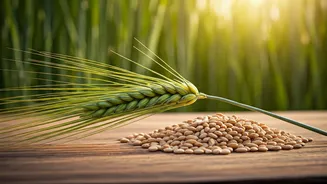
The term “climate-friendly” isn’t just marketing jargon. It refers to crops with specific traits that help mitigate or adapt to environmental challenges. The star of this category is often the perennial grain. Unlike annuals like wheat and corn, which must be replanted every year, perennials live for multiple years. Kernza, a perennial grain developed by The Land Institute in Kansas, is the poster child. Its massive root system—stretching 10 feet or more into the earth—acts like a carbon sponge, pulling CO2 from the atmosphere and sequestering it deep in the soil. These roots also hold soil in place, preventing erosion, and improve water quality by filtering out nitrates. Other grains fit the bill in different ways. Sorghum and millet are famously drought-tolerant, making them ideal crops for a warming, water-scarce world. Fonio, a West African ancient grain, can thrive in poor, sandy soil with minimal water or fertilizer, offering a lifeline to farmers in challenging climates.
From Niche Farm to Notable Menu
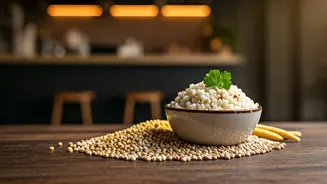
A grain can’t win a conversation if no one is talking about it. The current buzz is being driven by culinary tastemakers who have embraced these grains for both their story and their flavor. Chefs at acclaimed restaurants like Blue Hill at Stone Barns have long championed farm-forward ingredients, but the trend has gone mainstream. Bakeries are selling loaves made with nutty, sweet Kernza flour. Breweries are crafting beers with it. Patagonia Provisions, the food arm of the outdoor brand, has made Kernza a cornerstone of its product line, from pasta to beer, introducing it to a national audience. Fonio is having a similar moment. Chef Pierre Thiam has been a tireless advocate, calling it the “next quinoa.” Through his brand, Yolélé, he has made the light, fluffy, couscous-like grain available in stores like Whole Foods. When ingredients land on sought-after menus and the shelves of major retailers, it’s a sign that the conversation has moved from the fringe to the center of the plate.
How to Taste the Future
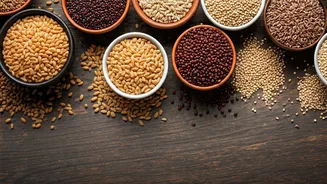
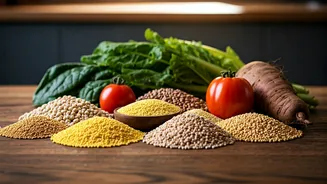
For the curious home cook, experimenting with these grains is easier than ever. Their unique flavors and textures offer a welcome break from the ordinary. Kernza, when milled into flour, has a rich, nutty flavor that adds depth to pancakes, breads, and cookies. Whole-grain sorghum can be popped like popcorn or cooked into a chewy, satisfying pilaf. Millet can be used to make a creamy, porridge-like breakfast or a fluffy side dish. Fonio cooks in just five minutes and is a versatile base for salads, stews, or veggie bowls. Look for them in the bulk bins of well-stocked grocery stores, at your local farmers market, or from online purveyors specializing in sustainable ingredients. Starting is as simple as swapping one of these grains into a favorite recipe. By doing so, you're not just trying a new food—you're participating in a movement to build a more diverse and delicious food future.