



The Rise of the Micro-Cation
First, let's talk about the bigger picture. In a world of overflowing inboxes and always-on work culture, the idea of completely disconnecting for 14 straight days can feel more stressful than restorative. The planning, the expense, the mountain of work waiting
for you upon return—it’s a lot. Enter the 'micro-cation.' Travel experts and booking sites have noted a significant shift toward shorter, more frequent trips. These three- or four-day getaways are easier to plan, cheaper to execute, and allow for multiple doses of novelty throughout the year instead of one big annual blowout. They fit neatly into a long weekend, require minimal time off, and satisfy our growing craving for experiences over things without demanding a complete life overhaul.
What Is a Monsoon Getaway?
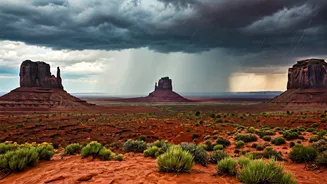
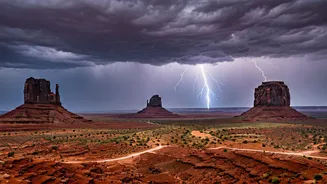
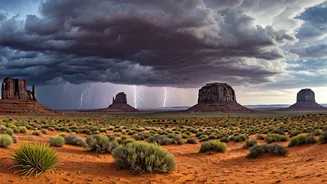
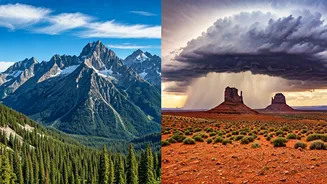
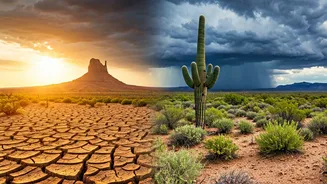
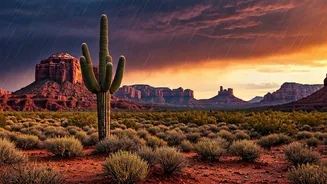
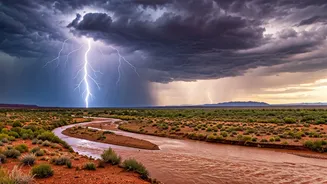
This is where the trend gets interesting. Instead of cramming a European tour into four days, savvy travelers are looking for high-impact domestic adventures. One of the most compelling is the monsoon getaway. While 'monsoon' might evoke images of Southeast Asia, the U.S. has its own version: the North American Monsoon. From roughly late June through mid-September, a shift in wind patterns brings dramatic, moisture-rich air from the Pacific into the desert Southwest. This results in spectacular, often daily, thunderstorms that transform the arid landscape. A monsoon getaway is a trip planned specifically to witness this phenomenon—trading sunny skies for cloud-draped mountains and electric lightning shows.
The Deep Sensory Appeal
A trip built around rain in the desert might sound counterintuitive, but its appeal is deeply sensory. It’s about experiencing a world transformed. Before a storm, the air becomes charged with anticipation. Then comes the show: towering, dark clouds build over the mountains, lightning cracks across the sky, and the deluge begins. The sound of rain hitting dry earth is followed by one of nature's most intoxicating scents—petrichor, the earthy perfume released from the ground, often mixed with the smell of rain-soaked creosote bushes. After the storm passes, the temperature drops, the low sun illuminates the wet landscape in a golden glow, and the desert comes alive with creatures and fleeting blooms. It’s an immersive, almost spiritual experience that a postcard-perfect beach day simply can't replicate.
Smarter, Cheaper, and More Spontaneous
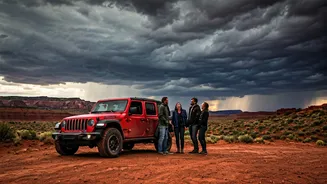
The logistics of a monsoon getaway are perfectly aligned with the micro-cation ethos. Because it’s considered the 'off-season' for sun-seekers, flights and accommodations in prime destinations like Arizona and New Mexico can be significantly more affordable. You’re trading extreme heat for dramatic weather, often getting a better deal in the process. Planning is minimal; you don’t need a complex itinerary. The goal is to be present, find a good perch—perhaps a hotel with a covered patio or a scenic drive—and wait for the sky to put on its afternoon performance. This low-stakes, high-reward approach makes it the perfect antidote to the meticulously scheduled, often exhausting, traditional long vacation.
Where to Chase the Storms
Ready to trade your sunhat for a storm-watching perch? Several Southwestern hubs are perfect bases for a monsoon adventure. Tucson, Arizona, is arguably the epicenter. Nestled between mountain ranges, the city offers incredible views of approaching storms, and Saguaro National Park becomes a canvas of dramatic light and shadow. Santa Fe, New Mexico, provides a high-desert alternative, where storms roll over the Sangre de Cristo Mountains, and you can pair weather-watching with gallery hopping. For a more rugged experience, the areas around Sedona, Arizona, or even Big Bend in Texas offer stunning landscapes that are completely redefined by the summer rains. The key is to embrace the unpredictability and see the weather not as an obstacle, but as the main event.