





The Mountain We Had to Climb
Anyone who tried to get a U.S. visitor visa from India in the last few years knows the story. The process felt less like an application and more like a lottery. Post-pandemic backlogs, coupled with soaring demand, created a perfect storm. At its peak,
the wait time for a first-time B1/B2 (business/tourist) visa interview appointment stretched to a staggering 1,000 days in some locations. This wasn't just an inconvenience; it was a source of immense stress and uncertainty. Families were separated, unable to attend weddings or graduations. Business opportunities were missed. Holiday plans were put on indefinite hold, with would-be travelers unsure if they should even dare to book flights or hotels for a trip that might be three years away.
The Million-Visa Mission
Recognizing the massive bottleneck, the U.S. Mission in India launched an unprecedented effort to clear the backlog. It was an all-hands-on-deck approach. The State Department boosted staffing at its embassy in New Delhi and consulates in Mumbai, Chennai, Kolkata, and Hyderabad. They opened the new, expansive consulate facility in Hyderabad, one of the largest U.S. consular posts in the world. Perhaps most visibly, they introduced “Super Saturday” appointment drives, processing thousands of applications on weekends. Behind the scenes, they streamlined operations, sending droves of applications to other embassies for remote digital processing and significantly expanding the eligibility for interview waivers for applicants renewing their visas. The goal was clear: get processing back on track. The result? The U.S. Mission processed a record-breaking 1.4 million visas in India in 2023 alone.
What This Means for You Today
The results of this surge are tangible and life-changing for travelers. The infamous 1,000-day wait is a thing of the past. As of early 2024, wait times for first-time visitor visa interviews have been slashed by over 75%. While times vary by location, they are now measured in months, not years, bringing them much closer to pre-pandemic norms. For those with previous U.S. travel, the news is even better. Many applicants renewing a visa within 48 months of their prior visa's expiration can now qualify for an interview waiver, potentially avoiding an in-person appointment altogether. This means you can now realistically plan a family vacation, a business trip, or a visit to see loved ones in the U.S. without a multi-year cloud of uncertainty hanging over your head. The energy once spent anxiously refreshing appointment portals can now be channeled into planning the actual trip.
Why the Big Push?
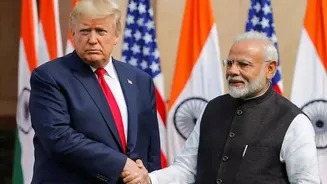
This wasn’t just about clearing a backlog; it was a strategic move reflecting the strengthening U.S.-India relationship. Indian nationals are one of the largest groups of overseas travelers and international students in the United States. Facilitating their travel is good for the U.S. economy, academic institutions, and cultural exchange. From a diplomatic standpoint, making it easier for citizens to travel between the two countries strengthens personal and professional ties that form the bedrock of a healthy bilateral partnership. U.S. officials, including Ambassador Eric Garcetti, have repeatedly emphasized that Indian visitors are welcome, and these operational changes were designed to ensure the process reflects that sentiment.
Tips for a Smoother Application
While the situation has vastly improved, planning remains key. First, always check the official U.S. Embassy and Consulates in India website for the most current visa wait times, as they can fluctuate. Second, apply early. Even with shorter waits, it's wise to begin the process several months before your intended travel date. Third, carefully determine if you are eligible for an interview waiver—it's the fastest track available. Finally, ensure your DS-160 application form is filled out accurately and completely. The system is more efficient than ever, but it still relies on you providing correct information. A little preparation goes a long way in ensuring your application moves through the new, faster system without a hitch.