
The End of Single-Purpose Rooms
For decades, the American dream home was defined by a specific set of rooms: a formal dining room, a living room for guests, a family room for TV. Each space had a distinct, often rigid, function. That model is officially obsolete. The catalyst was, of course,
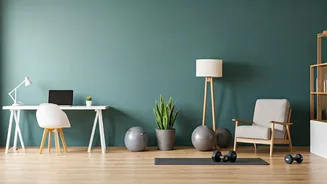
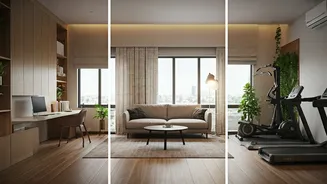
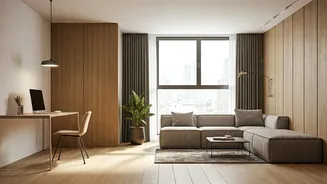
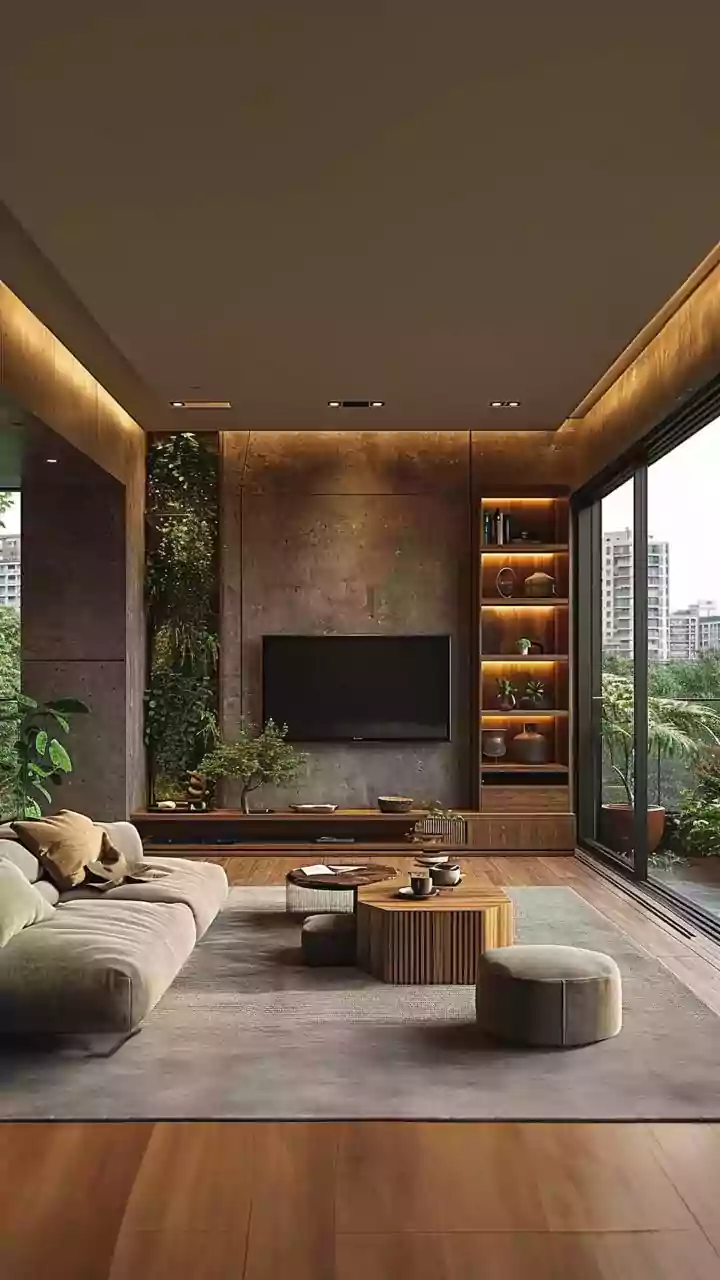
the massive shift to remote work, which forced millions of us to instantly find space for laptops, monitors, and Zoom calls. But the trend has deeper roots in urbanization, smaller average home sizes, and a growing desire for efficiency and minimalism. We're now asking our homes to be our offices, gyms, movie theaters, and sanctuaries—often all within the same square footage. As a result, homeowners and renters are no longer seeking more rooms, but smarter rooms.
More Than a Makeshift Desk
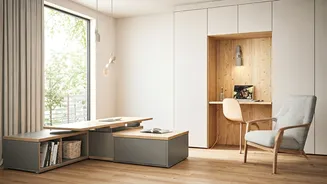
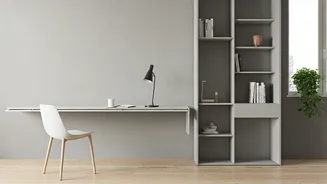
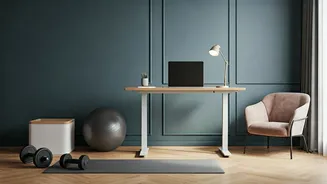
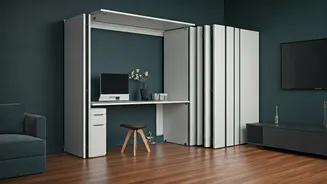
Let’s be clear: a truly successful multi-use space is not the chaotic scene from mid-2020 where a laptop teetered precariously on a stack of cookbooks. We’ve moved from desperation to intentional design. The new essential is a space that can transition between functions gracefully. This isn’t about compromise; it’s about clever, integrated solutions. Think less about a folding card table and more about a custom-built cabinet that reveals a fold-down desk, complete with integrated outlets and task lighting. It’s about furniture that does double or triple duty without looking clunky. The goal is to create a space that feels purposeful in each of its roles, not like it’s failing at all of them.
The Rise of the 'Cloffice'
Perhaps the most emblematic example of this trend is the “cloffice”—the closet-turned-office. What was once a punchline is now a coveted feature. By converting a spare closet, designers can create a dedicated, compact workspace that can be literally closed off at the end of the day. A well-designed cloffice includes a sturdy built-in desk, shelving for supplies, good lighting, and an outlet. When the doors are shut, the room reverts to a serene bedroom or hallway. This concept preserves crucial psychological boundaries between work and life, allowing you to “leave the office” without leaving the room. It’s the ultimate expression of maximizing every square inch of your home.
Reimagining the Guest Room
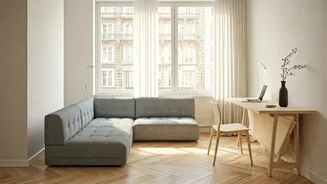
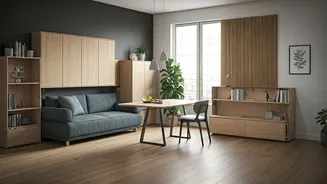
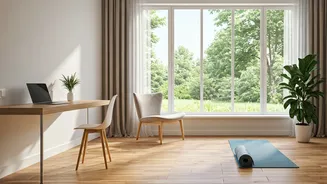
The dedicated guest room, often left empty for 50 weeks a year, is another prime candidate for a multi-use makeover. For many, maintaining a room solely for occasional visitors is an unjustifiable luxury. Today, this space is being reimagined as a “flex room.” By replacing the traditional bed with a high-quality, stylish murphy bed or a comfortable sofa bed, the room is instantly liberated. For most of the year, it can function as a spacious home office, a yoga and meditation zone, a crafting studio, or a media room. When guests arrive, the transformation takes only a few minutes. This approach provides maximum utility without sacrificing hospitality, making it one of the most popular and practical multi-use solutions.
Designing for Seamless Transitions
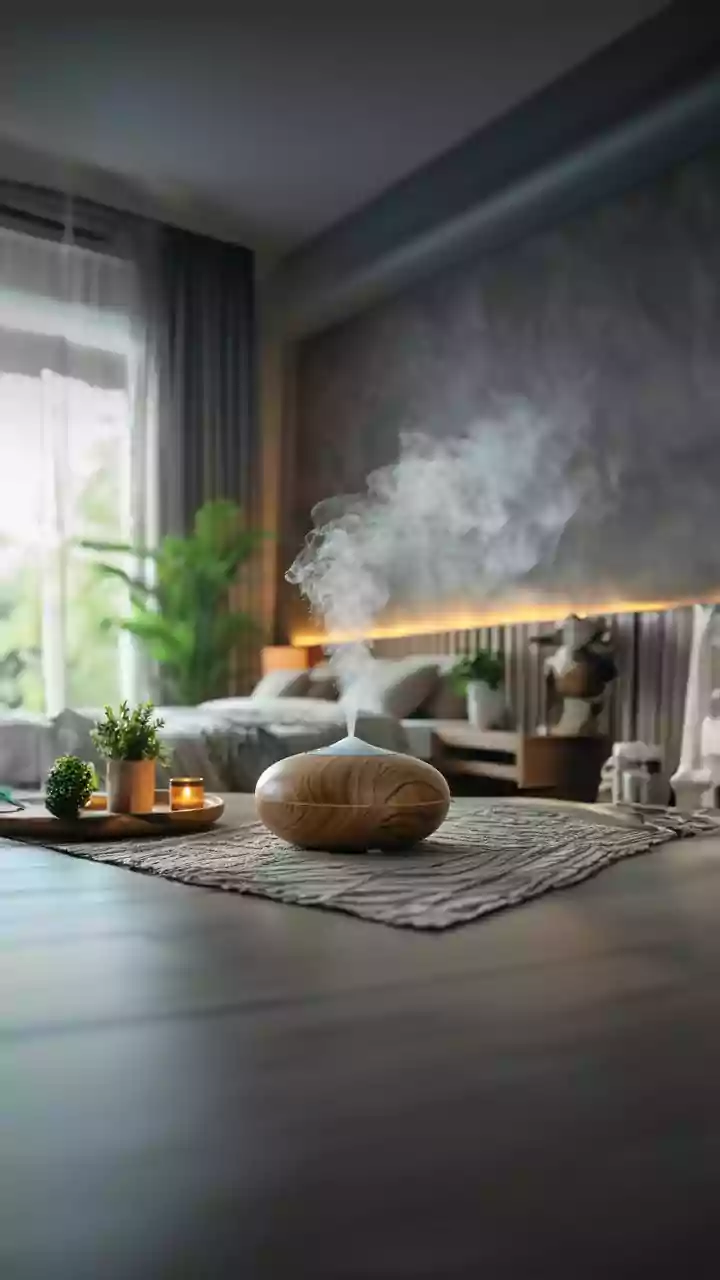
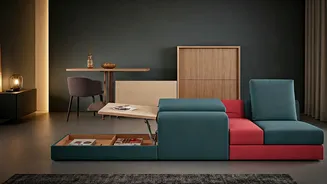
The key to a successful multi-use space lies in the transitions. The switch from “work mode” to “relax mode” should be as effortless as possible. Smart storage is non-negotiable. Baskets, cabinets, and ottomans with hidden compartments are essential for quickly stashing away work supplies or fitness gear. Lighting also plays a huge role. Use layered lighting—bright, cool task lighting for work, and warm, dimmable ambient light for evening relaxation—to completely change the mood of the room. Finally, consider movable partitions. A beautiful folding screen or a lightweight curtain on a ceiling track can create a sense of separation and coziness, signaling a shift in the room's purpose without requiring a permanent wall.