
An Introduction to Chaat
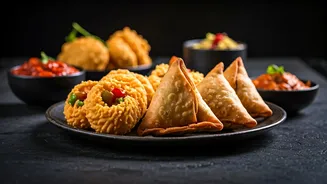
Before you can understand the snacks, you have to understand the art form. Both bhel puri and dahi puri are types of chaat, a category of savory snacks from India that delivers an explosive combination of flavors and textures in every bite. The word “chaat”
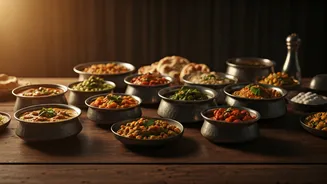
literally means “to lick,” and the experience is just that—a dish so compelling you want to get every last drop. Chaat is rarely quiet. It’s a riot of sweet, sour, tangy, spicy, and crunchy elements, often sold by street vendors called “chaatwalas” who assemble these creations with dazzling speed and precision. This isn't formal, sit-down dining; it's vibrant, social, and deeply woven into the fabric of daily life, enjoyed after school, during a shopping trip, or as a prelude to a family meal.
The Symphony of Bhel Puri
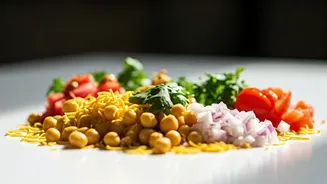
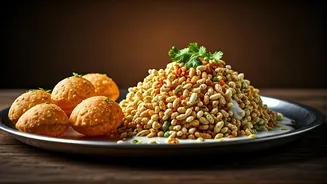
Imagine a bowl filled with a jumble of wonderful things. That’s bhel puri. Its foundation is puffed rice, giving it an airy, crisp lightness. Mixed in are boiled potatoes, finely chopped red onions, and sometimes chickpeas or peanuts for heft and earthiness. This mixture is then tossed with a trio of chutneys that form the soul of the dish: a sweet and tangy tamarind chutney, a spicy green chutney made with cilantro and chili, and often a pungent garlic chutney. Finally, it’s showered with “sev”—crunchy, fine noodles made from chickpea flour—and a generous sprinkle of fresh cilantro. The result is a textural masterpiece. Each spoonful is a different experience: a little crunchy, a little soft, a little sweet, a little sour. It’s a snack that demands your full attention, a delightful chaos that somehow resolves into perfect harmony.
The Perfect Burst of Dahi Puri
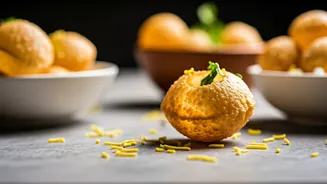
If bhel puri is a symphony in a bowl, dahi puri is a series of perfect, single-bite explosions. The dish starts with small, hollow, crispy spheres called “puri” or “gol gappe.” Each one is gently tapped to create a small opening on top. Inside, the vendor stuffs a savory filling of spiced potatoes, chickpeas, and sometimes sprouted mung beans. Next comes a cascade of cool, lightly sweetened yogurt (“dahi”) that fills the puri and spills over the top. The same tamarind and green chutneys make an appearance, drizzled generously. A final flourish of sev, a pinch of chili powder, and a few cilantro leaves completes the masterpiece. Unlike bhel puri, you don’t eat dahi puri with a spoon. You’re meant to pop the entire thing into your mouth at once. The shell shatters, releasing the cool yogurt, savory filling, and tangy chutneys in a single, unforgettable burst of flavor.
A Taste of Memory and Home
So why “emotional support”? Because for millions, especially in the South Asian diaspora, these snacks are edible nostalgia. They taste like childhood afternoons, post-school treats with friends, and bustling city streets back home. The specific combination of tangy tamarind and spicy cilantro can transport someone thousands of miles in an instant. Finding a good chaat place in America isn't just about finding good food; it's about finding a connection to a culture left behind. It’s the flavor of family gatherings where an uncle insists on making his “famous” bhel puri. It’s the comfort of a familiar taste in an unfamiliar place. When life feels overwhelming, that perfect balance of sweet, sour, and spice is more than just a snack. It’s a reminder of who you are and where you come from. It’s a sensory anchor, a delicious, crunchy, messy hug that assures you, for a moment, that everything is going to be alright.