

More Than Just Tikka Masala
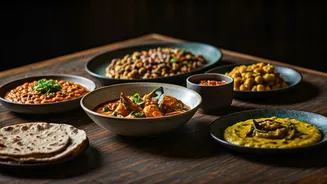
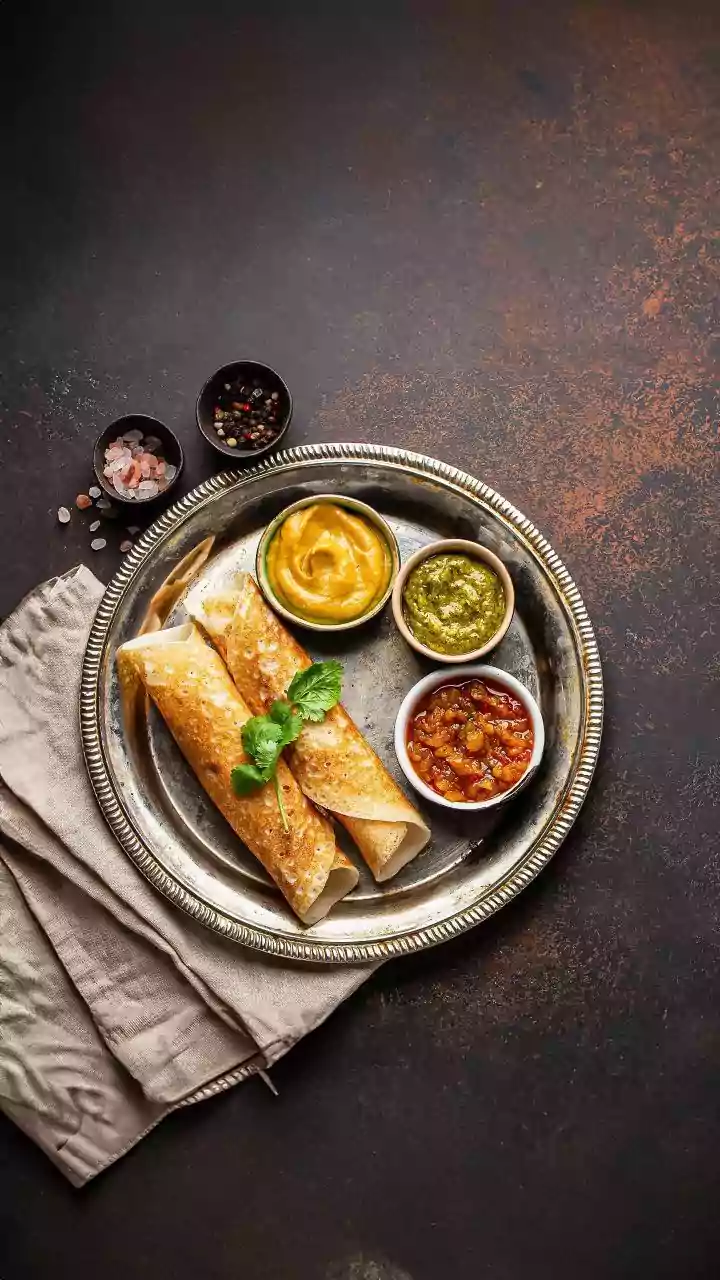
For decades, Indian food in America often meant a familiar, albeit delicious, lineup: chicken tikka masala, saag paneer, and mountains of naan. While these dishes are classics for a reason, a culinary shift is underway. Across the country, from fine-dining
rooms in Chicago to buzzy diners in Asheville, chefs are deconstructing and reimagining the very definition of Indian comfort food. This isn't about fusion for fusion’s sake; it's a thoughtful, creative exploration of heritage. It’s the food Indian-American kids grew up eating at home, now filtered through their experiences in a multicultural nation and presented on a professional stage. The result is a cuisine that feels both deeply personal and universally appealing, moving beyond a monolithic menu to celebrate the vast diversity of India's regional home cooking.
The New Comfort Canon
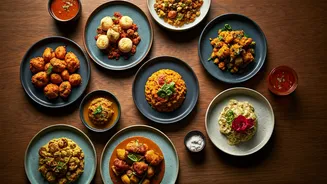
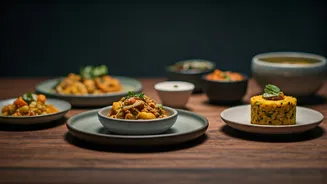
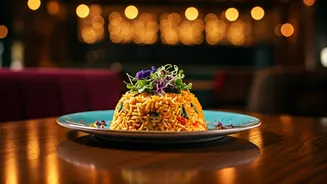
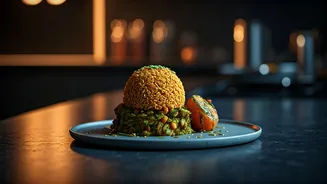
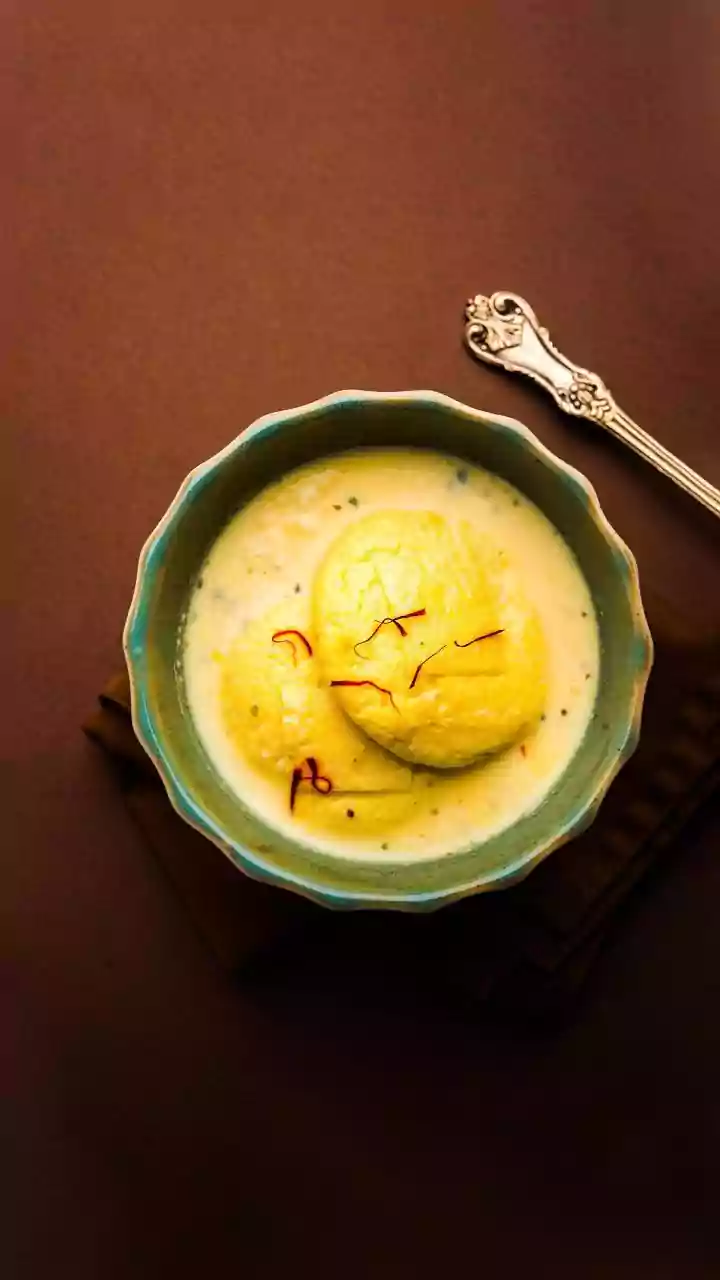
So what does a reimagined Indian comfort plate look like? It might be a sloppy joe made with richly spiced lamb keema, served on a buttery brioche bun—a riff on a classic American sandwich and a staple Indian meat dish. It could be a 'samosa chaat,' where the humble fried pastry is broken apart and layered with yogurt, chutneys, and crispy sev, transforming it from a simple snack into a complex, textural dish. At celebrated restaurants like Asheville's Chai Pani, you’ll find dishes like kale pakoras, a modern take on the traditional fried vegetable fritter. Elsewhere, chefs are putting tandoori chicken on tacos, folding butter chicken into calzones, and turning gulab jamun into a decadent cheesecake. These aren't gimmicks; they're bridges. Each dish tells a story of two cultures meeting on a plate, creating something new and exciting that honors both sides of its identity.
A Story of Identity
This movement is largely driven by second- and third-generation Indian Americans who are confidently claiming their space in the American culinary landscape. For many, it's a way of reconciling a dual identity. They have a deep love and respect for the traditional recipes of their parents and grandparents, but they also grew up on pizza, burgers, and tacos. This new style of cooking is their authentic expression—it’s the food that makes sense to them. By remixing these flavors, they are not rejecting tradition but rather engaging with it in a dynamic way. They are asking questions: What happens if we use local, seasonal American produce in a classic dal? What if we apply French technique to a Hyderabadi spice blend? This culinary curiosity is producing some of the most exciting food in the country, telling a delicious story of immigration, adaptation, and belonging.
Redefining 'Authenticity'
The rise of these reimagined plates inevitably sparks debate around the word 'authenticity.' But many chefs leading this charge argue that authenticity isn't a static concept frozen in time. A cuisine that doesn't evolve is a cuisine that risks becoming a museum piece. The 'authentic' food of today was itself an innovation of yesterday, shaped by trade routes, migration, and the availability of ingredients. For example, tomatoes and chilies, now fundamental to Indian cooking, were brought to India from the Americas. This new wave is simply the next chapter in that long history of evolution. The food is authentic to the lived experience of its creators—chefs who are proudly Indian and proudly American. Their kitchens are becoming platforms for a more nuanced and expansive understanding of what Indian food can be.