


The Best of Both Worlds
Imagine a snack that not only satisfies your craving but also reduces stress, or a breakfast that tastes traditional but is packed with plant-based protein. This is the new promise of India's booming food industry. A new generation of consumers, particularly
in urban centers, is no longer content with food that is merely tasty. They want food that *does* something. They’re seeking products that boost immunity, improve gut health, provide clean energy, or support mental clarity—all without sacrificing the authentic flavors they grew up with. This convergence of wellness and culinary heritage is creating a market for what are known as “functional foods”: ingredients modified or fortified to provide a specific health benefit beyond basic nutrition. It’s a movement that says you don’t have to choose between pleasure and performance.
From Ancient Wisdom to Modern Snack
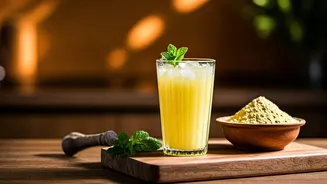
This trend isn’t appearing out of thin air. It’s a modern interpretation of millennia-old Indian traditions, particularly Ayurveda, the ancient system of medicine that views food as a primary tool for maintaining health. Ingredients that Americans have come to know as “superfoods” in the last decade—turmeric for inflammation, ashwagandha for stress, and amla (Indian gooseberry) for vitamin C—have been staples in Indian home remedies for centuries. What's new is how they're being delivered. Instead of just being used in powders or traditional concoctions, these powerful ingredients are now being integrated directly into convenient, everyday foods. Startups are infusing ashwagandha into chocolate bars, moringa into breakfast cereals, and turmeric into ready-to-drink lattes that give your local coffee shop a run for its money. It’s Ayurvedic wisdom, repackaged for the 21st-century lifestyle.
The New Indian Pantry
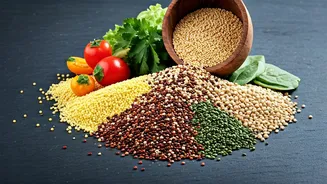
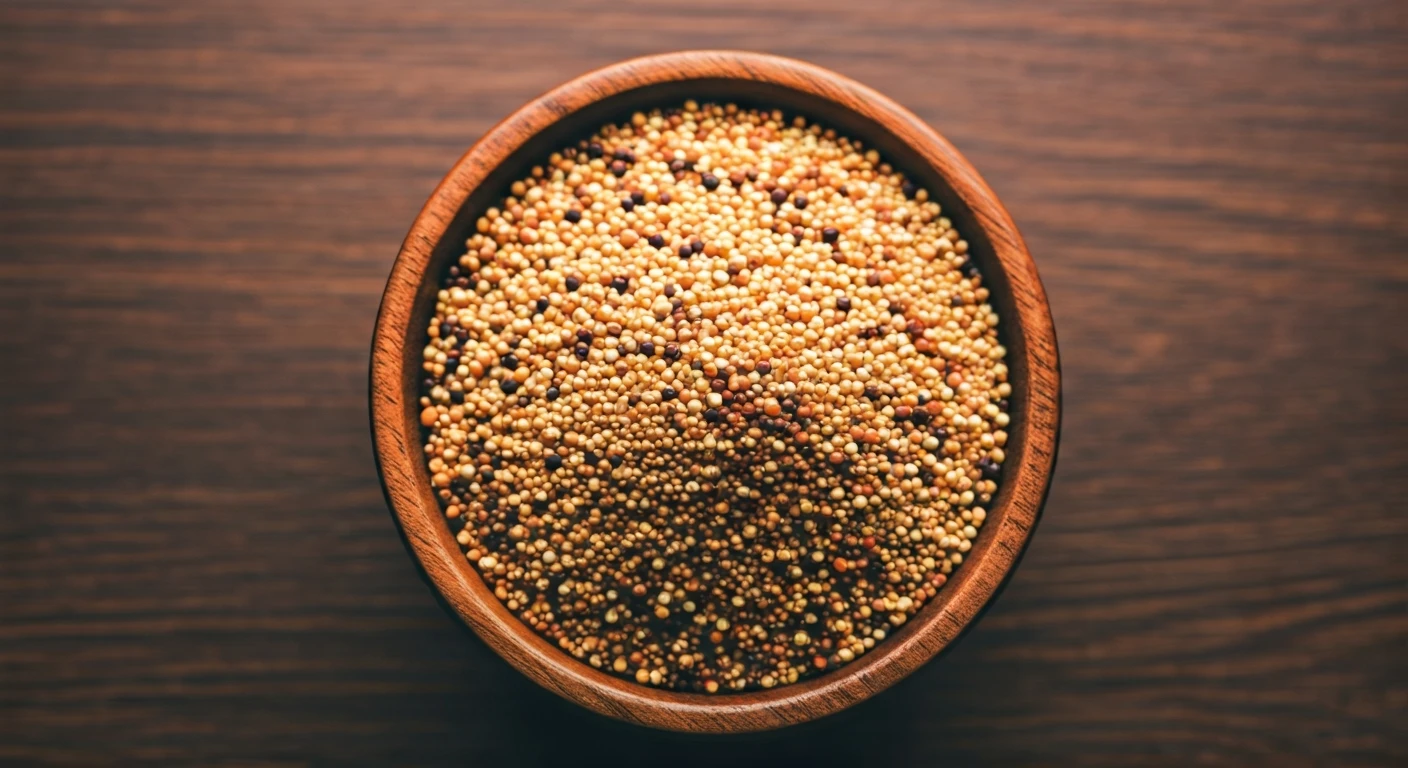
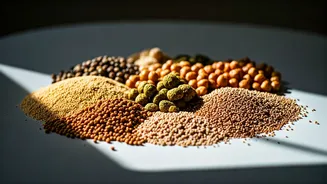
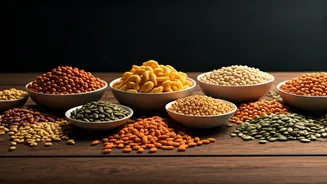
The shift is also reviving ancient grains and ingredients that were once sidelined by mass-produced wheat and rice. Millets, a group of hardy, nutrient-dense grains like ragi (finger millet) and jowar (sorghum), are making a major comeback. Once considered humble, rural fare, millets are now the star ingredients in everything from breakfast flakes and pasta to cookies and chips. They’re naturally gluten-free, high in protein and fiber, and have a low glycemic index, making them a perfect fit for today's health-conscious consumer. Food-tech companies are developing innovative products that make these traditional ingredients accessible and easy to use. You can now find dosa and idli batters fortified with millet and lentils, snacks made from roasted makhana (fox nuts), and chips crafted from jackfruit instead of potatoes. The Indian pantry is being restocked with items that are simultaneously old and new.
A Global Appetite in the Making
For American audiences, this trend is more than just a distant curiosity. It’s a preview of what could be coming to a grocery aisle near you. As Indian brands become more sophisticated in their marketing and product development, they are increasingly looking to export markets. The global wellness movement has already primed consumers to be receptive to ingredients like turmeric and ashwagandha. The next wave could be ready-to-eat products that deliver these benefits in delicious, convenient formats. Just as Korean beauty (K-beauty) took the global cosmetics industry by storm with its innovative formulations and unique ingredients, Indian functional foods are poised to make a similar impact. This isn't just about India modernizing its own food culture; it’s about shaping the future of healthy eating on a global scale.