


Beyond the Heat: The Logic of Cooling Foods
When many Americans think of Indian food, they often think of heat: vibrant, tongue-tingling spices that warm you from the inside out. But in a country with vast tropical coastlines where temperatures soar, culinary traditions are just as focused on cooling
the body as they are on warming it. Rooted in Ayurvedic principles of balancing 'hot' and 'cold' energy foods, coastal Indian cuisine is a masterclass in staying refreshed. It’s not about literal temperature, but about ingredients with inherent cooling properties—like yogurt, coconut, mint, and specific regional fruits. As summers get hotter and diners seek more authentic, wellness-focused flavors, these time-tested recipes are finding a new, appreciative audience.
Sol Kadhi: The Konkan Coast's Pink Elixir
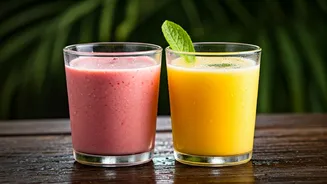
If there’s one drink leading this cooling renaissance, it’s sol kadhi. This beautiful, pale pink beverage hails from the Konkan coast, covering Maharashtra and Goa. It’s made from two powerhouse ingredients: coconut milk and kokum. Kokum, a sour, dried fruit from the mangosteen family, is prized for its digestive and cooling properties. When its tart extract is blended with creamy, soothing coconut milk and seasoned with a hint of chili, cilantro, and garlic, the result is magical. It’s a digestif, a palate cleanser, and a heat-buster all in one. Traditionally served with spicy seafood curries, it’s now appearing on its own in restaurants and on social media as a unique, savory-sour refresher that’s as intriguing as it is effective.
Pakhala Bhata: The Genius of Fermented Rice
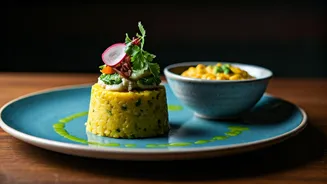
This dish is culinary minimalism at its most brilliant. A staple in the eastern coastal state of Odisha and popular in Bengal and Assam, pakhala bhata is, at its core, cooked rice soaked and lightly fermented in water overnight. The process transforms simple leftover rice into a probiotic-rich, incredibly cooling meal. The slightly sour, tangy liquid is as important as the rice itself. It’s typically served with simple sides like roasted vegetables, fried fish, or mashed potatoes (aloo bharta). While it sounds incredibly humble, its ability to hydrate and cool the body is legendary in the region. Food bloggers and chefs are now deconstructing this peasant dish, celebrating its zero-waste ethos and profound connection to place.
Neer Mor & Chaas: The Power of Spiced Buttermilk
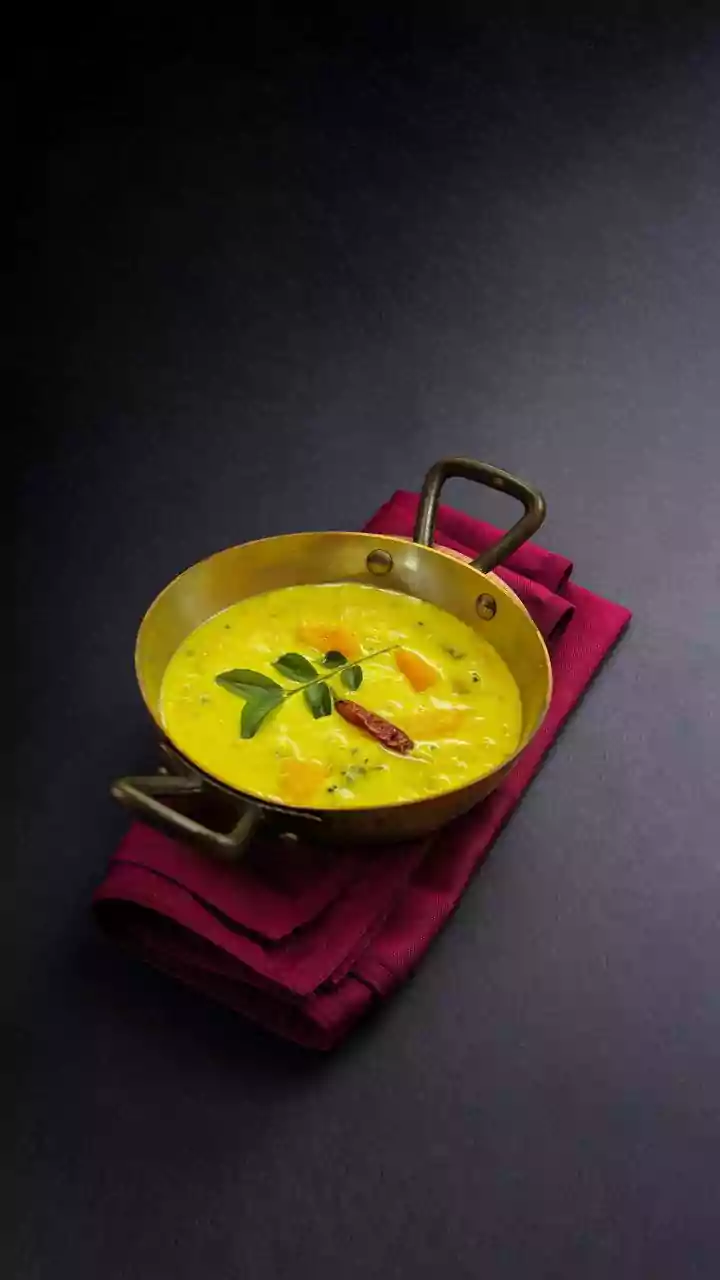
Yogurt is a cornerstone of cooling in India, and its most drinkable form is buttermilk. But this isn't the thick, cultured buttermilk used for American pancakes. Indian buttermilk, known as chaas in the north and neer mor in the south, is a thin, watery drink made by churning yogurt and water. In the southern state of Tamil Nadu, neer mor is flavored with ginger, curry leaves, asafoetida, and green chilies, then strained. It’s salty, savory, and incredibly hydrating, replenishing electrolytes lost through sweat. It’s the original Gatorade, served in temples and homes alike during hot months. Its recent rise in popularity in the U.S. taps directly into the growing market for savory, probiotic yogurt drinks, but with a far more authentic and nuanced flavor profile.
Why Now? Authenticity Meets a Hotter Planet
So why the resurgence? Several factors are converging. First, there's a growing desire among food lovers for hyper-regional, authentic cuisines that go beyond the standard restaurant fare of chicken tikka masala. Social media has given a platform to home cooks and chefs sharing these once-obscure recipes. Second, the global wellness movement has put a spotlight on gut health, probiotics, and natural ingredients, all of which are central to dishes like pakhala bhata and neer mor. Finally, and perhaps most simply, our world is getting warmer. As we face increasingly intense heat waves, the inherent wisdom of these recipes—designed over generations to make life in a hot climate not just bearable, but delicious—feels more relevant and necessary than ever.