





From Austere Ideology to Cozy Kitchen
For years, the perception of a raw food diet was one of rigid rules and ascetic self-denial. It was the realm of the ultra-disciplined, involving little more than fruit platters, leafy greens, and nut milks. The emphasis was often on what was being *removed*—heat,
processing, and entire food groups. While proponents championed the health benefits of uncooked, plant-based eating, the lifestyle felt inaccessible and, frankly, a little sad to outsiders. The aesthetic was more laboratory than kitchen, focused on preserving enzymes and maximizing nutrient intake at the expense of pleasure and tradition. That image is rapidly becoming outdated. The new wave of raw foodism isn't about deprivation; it's about creative substitution. It’s less about a strict dietary dogma and more about a culinary challenge: How can we recreate the textures, flavors, and emotional satisfaction of beloved home-cooked meals without turning on the stove? This shift has transformed the raw diet from a rigid ideology into a vibrant, creative cooking style, welcoming more people into a world that once seemed far too extreme.
Meet Raw 'Comfort Food'
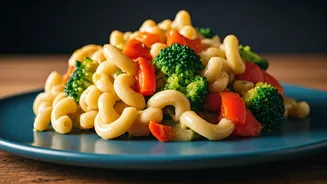
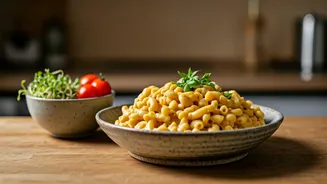
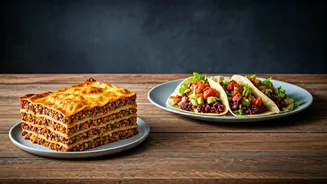
So, what does a “home-style” raw meal actually look like? Picture a hearty lasagna, but instead of pasta, there are delicate, paper-thin slices of zucchini. The ricotta isn’t dairy; it’s a rich, creamy blend of cashews, nutritional yeast, and lemon juice. The bolognese is a savory mix of finely chopped walnuts, sun-dried tomatoes, and herbs. Or imagine taco night, where the “meat” is a crumble of seasoned pecans and mushrooms, served in crisp lettuce cups with a zesty mango salsa and avocado-lime crema. Other staples of this new comfort-raw canon include “mac and cheese” made with spiralized butternut squash and a velvety sauce of blended carrots, cashews, and spices. You'll find hearty “meatloaf” crafted from nuts, seeds, and vegetables, served with a tangy, date-sweetened ketchup. Desserts are equally impressive, moving beyond simple fruit to include multi-layered cheesecakes with nut-and-date crusts, decadent chocolate avocado mousse, and warm-from-the-dehydrator apple crumble. The goal is clear: to deliver the emotional payoff of comfort food, proving that a raw diet doesn't have to mean a life without lasagna.
The Kitchen Tools Making It Possible
This culinary alchemy is powered by a few key pieces of kitchen technology. The high-speed blender, once a smoothie-making novelty, is now essential for creating the impossibly creamy sauces, cheeses, and mousses that form the backbone of raw comfort cooking. By pulverizing nuts, seeds, and vegetables, these blenders achieve textures that were previously unthinkable in a raw context. The spiralizer is another hero, turning firm vegetables like zucchini, sweet potatoes, and cucumbers into noodles and pasta substitutes. But the true game-changer is the food dehydrator. By circulating low-temperature air for hours, a dehydrator can gently remove moisture without technically “cooking” the food (most raw foodists set the temperature below 118°F). This allows for the creation of bread-like textures, crunchy crackers, chewy fruit leathers, pizza crusts, and even veggie burger patties that feel satisfyingly firm and substantial. The dehydrator provides the missing textural link, bridging the gap between a raw ingredient and a dish that feels complete and cooked.
Why We're Craving Coziness Now
This shift toward a cozier, more approachable raw diet isn’t happening in a vacuum. It reflects a broader cultural trend in wellness and food. After years of hyper-curated, aspirational health content on social media, many are seeking a more grounded, authentic approach to eating well. The desire for comfort, accelerated by the stresses of modern life, has led people to reject diets that feel overly punishing or isolating. This new home-style movement makes a raw lifestyle feel more inclusive. It allows someone to participate in social food rituals—like a family-style lasagna dinner or a taco Tuesday—without feeling left out. It reframes dietary choices not as a list of restrictions, but as an opportunity for creativity and connection. By focusing on abundance and flavor rather than what's forbidden, the movement successfully merges the pursuit of health with the universal human need for comfort and joy in our food.