


The Great Thirst Before the Rain
To understand the magic of June, you first have to picture May. The Western Ghats, a UNESCO World Heritage Site and one of the world's most vital biodiversity hotspots, spends the months leading up to the monsoon in a state of quiet dormancy. The blistering
sun bakes the landscape into shades of ochre and brown. Rivers shrink to lazy trickles, deciduous trees shed their leaves, and the air is hazy with dust. There’s a profound stillness, an anticipation felt by everything from the coiled vine snakes to the waiting farmers. It’s a landscape paused, a silent stage waiting for its cue. This period of intense heat and dryness sets the scene for one of nature’s most spectacular turnarounds.
An Explosion of Green
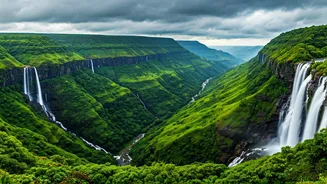
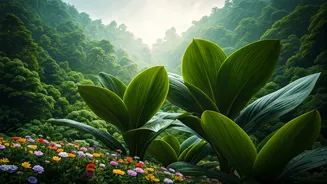
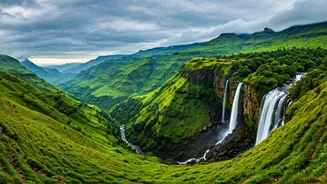
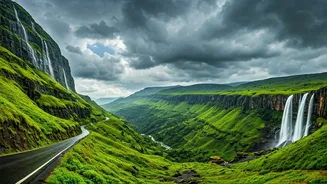
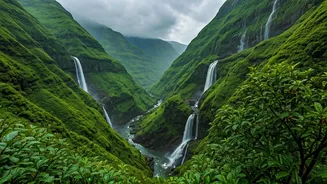
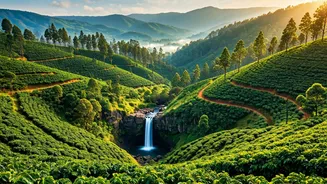
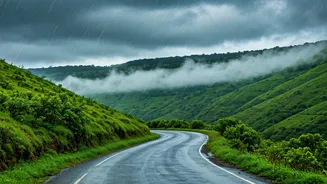
The arrival of the southwest monsoon in early June is not a gentle affair. It's a full-throated announcement. Dark, heavy clouds roll in from the Arabian Sea, snagging on the mountain range's peaks. The first rains are torrential, drenching the thirsty earth. What happens next is astonishingly fast. Within days, the valleys undergo a radical transformation. The dormant hillsides erupt in a near-fluorescent green. Mosses and ferns carpet every surface—tree trunks, ancient walls, and stone paths—turning the entire landscape into a soft, verdant tapestry. This isn't just one shade of green; it's a hundred, from the deep emerald of new leaves to the bright lime of fresh moss. This sudden, vibrant life is what travelers first notice; it feels like the world’s color saturation has been turned all the way up.
A Symphony of Water
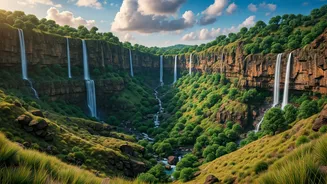
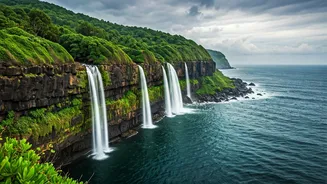
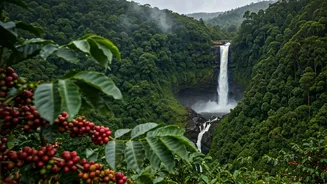
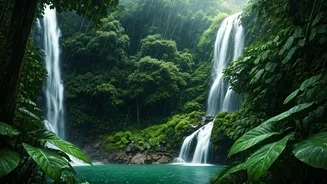
The monsoon doesn’t just change the color of the Ghats; it changes the sound. The silence of the dry season is replaced by the constant, meditative music of water. Rain patters on broad teak leaves. Tiny rivulets snake their way down hillsides, carving new paths. Most dramatically, the landscape becomes a theater of waterfalls. Every cliff face and rocky outcrop that was bare just weeks before becomes a cascade. Some are delicate silver ribbons, while others are thunderous torrents, sending clouds of mist into the cool air. The rivers, once placid, are now roiling, powerful forces. This omnipresence of moving water—the sight, the sound, the feel of it—creates a deeply immersive and cleansing atmosphere that’s impossible to experience at any other time of year.
The World Wakes Up
With the water comes an explosion of animal and insect life. The monsoon is a crucial breeding season, and the air thrums with activity. The deep, guttural croak of the Malabar gliding frog, a species famous for its ability to “fly” from tree to tree, becomes the evening’s soundtrack. Snails and earthworms emerge in droves, providing a feast for birds. The air, thick with humidity, buzzes with dragonflies and colorful moths. It's also when you might spot unique creatures like the shieldtail snake, which lives underground and emerges during the rains. This isn’t just a scenic backdrop; it’s a living, breathing ecosystem in full swing, and being there feels like you’ve been granted a front-row seat to the planet’s pulse.