



The Journey to the Roof of the World
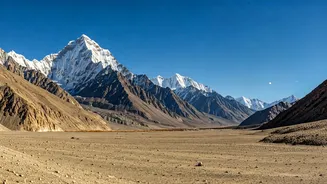
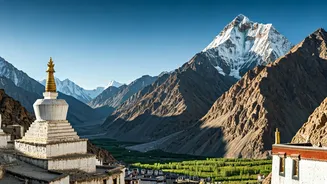
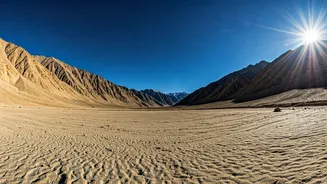
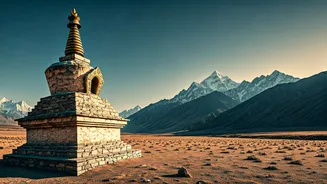
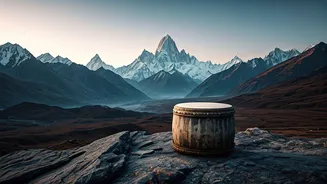
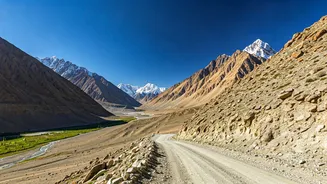
Getting to Hemis Monastery is an experience in itself. Located about 25 miles from Leh, the capital of Ladakh, the journey winds through a stark, high-altitude desert landscape. Often called “Little Tibet” or “The Land of High Passes,” Ladakh is a region
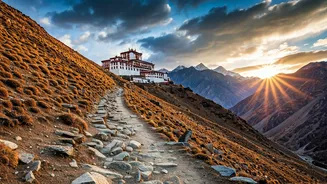
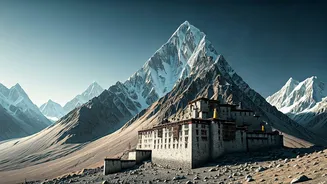
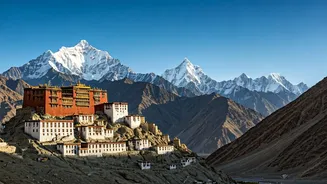
of raw, dramatic beauty. Jagged, snow-dusted peaks frame a moonscape of barren rock, punctuated by the shocking green of irrigated fields along the Indus River. The monastery is not immediately visible from the main road; it’s hidden away in a side valley, a strategic placement that protected it from historical invaders. This seclusion adds to the sense of discovery. As you ascend toward the monastery, perched at nearly 12,000 feet, the vastness of the Himalayas and the profound quiet of the mountains create a feeling of leaving the ordinary world behind.
A Fortress of Living Faith
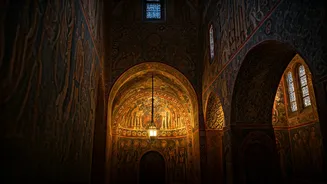
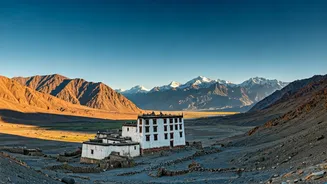
Founded in the 17th century, Hemis is the wealthiest and most prominent monastery in Ladakh, belonging to the Drukpa Lineage of Tibetan Buddhism. The complex feels less like a single building and more like a fortified village clinging to the mountainside. Its whitewashed walls, colorful prayer flags fluttering in the wind, and intricately decorated prayer halls create a vibrant contrast against the muted tones of the surrounding rock. Inside the main Dukhang, or assembly hall, the air is thick with the scent of burning juniper and melting yak butter lamps. Faded murals depicting Buddhist deities and mandalas cover the walls, silent witnesses to centuries of prayer and ritual. Unlike a museum, Hemis is a living, breathing center of faith, home to hundreds of monks whose daily chants and studies provide a constant, humming spiritual energy.
The Spectacle of the Hemis Tsechu
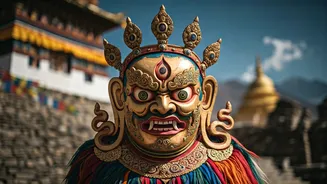
For two days each summer, the monastery’s tranquil courtyard erupts in a riot of color, sound, and sacred drama during the Hemis Tsechu, or Hemis Festival. Held to celebrate the birth of Guru Padmasambhava, who introduced Tantric Buddhism to Tibet, the festival is one of the most famous cultural events in the Himalayas. The highlight is the Chaam, or sacred masked dance. Monks, clad in elaborate silk brocade costumes and wearing large, often fearsome-looking masks, perform ritualistic dances that depict the triumph of good over evil. Accompanied by the clang of cymbals, the drone of long horns (dungchen), and the beat of drums, the performance is a mesmerizing spectacle. Every twelve years, the festival becomes even more significant with the ceremonial unfurling of a giant thangka—a silk appliqué scroll painting—of Guru Padmasambhava that is several stories high. The event draws pilgrims and visitors from around the world, who pack the courtyard for a glimpse of the sacred art.
More Than Masks and Music
While the festival is an incredible sight, the experience at Hemis goes deeper than the performance. The dances are not entertainment; they are a form of meditation and a religious teaching, meant to impart blessings and purify the mind. For the Ladakhi people, attending the festival is an important act of devotion. For an outsider, it offers a rare window into the living traditions of Tibetan Buddhism, practiced in an environment where faith is inextricably linked to the land itself. Even outside of the festival season, a visit to Hemis offers a profound sense of peace. Walking through its quiet courtyards, listening to the gentle murmur of prayers, and gazing out at the immense mountain landscape provides a powerful reminder of a world that moves at a different pace—one measured not in hours, but in seasons and cycles of spiritual devotion.