



The Festival That Isn't One
First, a clarifying point for anyone trying to book a ticket: the “Gangtok Hill Fest” isn't a single, officially branded event like Coachella or Lollapalooza. Instead, the name has become a catch-all online for the series of stunning cultural and religious
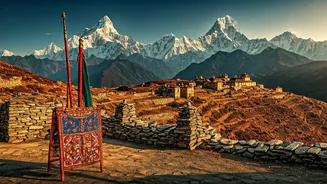
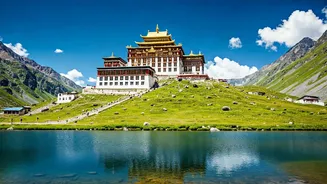
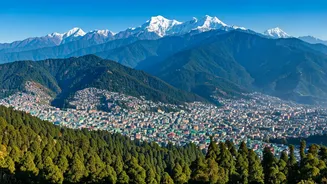
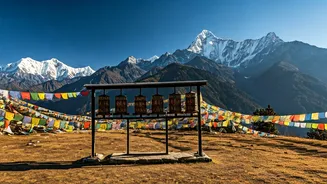
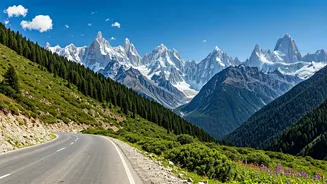
festivals that take place in and around Gangtok, the capital of India's northeastern state of Sikkim. Tucked between Nepal, Bhutan, and Tibet, this Himalayan region is a crossroads of culture, and its celebrations are a core part of its identity. The viral clips captivating audiences are often from major events like Losar (the Tibetan New Year), the Saga Dawa festival celebrating Buddha's life, or regional winter carnivals. These aren't performances staged for cameras; they are deeply felt expressions of community faith and heritage that just happen to be breathtakingly photogenic.
A Symphony of Color and Costume
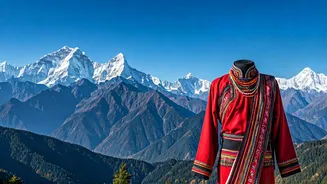
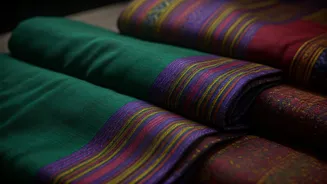
The “color overloaded” part of the headline is no exaggeration. The foundation of this visual feast is the traditional attire. Many participants don the *Bakhu* (or *Kho*), a wraparound cloak-like garment worn by communities across the Himalayan region, including the Bhutia and Lepcha peoples of Sikkim. Made of vibrant silks and brocades, these garments come in deep maroons, brilliant golds, electric blues, and rich emeralds. They are often layered and secured with contrasting sashes and worn with ornate, handcrafted jewelry. For festival-goers, dressing in this finery is not about putting on a costume. It’s a mark of respect for the occasion, a connection to their ancestors, and a public display of collective pride and identity. Every color and pattern tells a story, turning the streets into a living museum of textile art.
The Mystical Masked Dances
Among the most mesmerizing sights are the *Chaam* dances. Performed by monks at monasteries, these ancient, ritualistic dances are a form of meditation and a way of imparting moral lessons to the public. The dancers wear elaborate, often fearsome-looking masks and ornate costumes to represent various deities, demons, and spirits from Buddhist mythology. The masks themselves are masterpieces of craftsmanship, carved from wood and painted in vivid detail. Accompanied by the resonant drone of long horns, clashing cymbals, and rhythmic drums, the dances depict the triumph of good over evil. The slow, deliberate movements and the dramatic, larger-than-life characters create a hypnotic spectacle that feels both otherworldly and profoundly spiritual.
More Than Just a Pretty Picture
While the visuals are what stop the scroll, the energy behind them is what makes the experience so profound. These festivals are a full-sensory affair. The air is thick with the scent of burning juniper incense and butter lamps. The sounds of monastic chanting and traditional music echo through the mountain valleys. Stalls sell local delicacies like *momos* (dumplings) and *thukpa* (noodle soup), filling the streets with warmth and savory aromas. It’s a time for families to reunite, for communities to strengthen bonds, and for everyone to reaffirm their spiritual and cultural beliefs. The joy you see in the viral videos is authentic—it's the collective happiness of a people celebrating their unique place in the world.
Why It's Captivating a Global Audience
So why is this particular brand of cultural expression “breaking the internet” right now? Perhaps it’s a reaction to the highly curated, often muted aesthetic that dominates so much of social media. In a world of beige influencers and minimalist design, the unbridled, unapologetic explosion of color from Gangtok feels like a breath of fresh, mountain air. It’s raw, authentic, and deeply human. The images and videos serve as a powerful reminder that there is a vast world of beauty and tradition beyond our everyday bubbles. It isn't just content; it's a window into a culture that celebrates its identity with a vibrancy that’s impossible to ignore.