






The Siren Song of Supplements
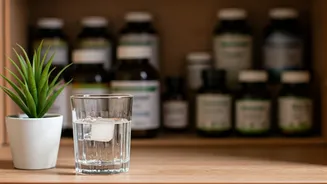
Walk down any pharmacy aisle, and you’ll see shelves bursting with promises: 'Immune Booster,' 'Super C,' 'Defense Formula.' The supplement industry is built on the alluring idea that wellness can be purchased and consumed in one convenient capsule. While
certain vitamins, like D and C, play roles in immune function, the evidence for high-dose supplementation as a shield against everyday germs is weak for the average healthy person. The FDA doesn't regulate supplements for effectiveness, meaning many claims are based on marketing, not medicine. For most of us, these products offer little more than expensive peace of mind. The real, science-backed work of supporting your immune system happens elsewhere.
Prioritize Your Sleep Schedule
Longer days and social events can wreak havoc on our sleep, but consistency is your immune system’s best friend. During sleep, your body performs critical maintenance, including the production of cytokines—proteins that help target infection and inflammation. When you’re sleep-deprived, you produce fewer of these protective proteins, making you more susceptible to viruses. Aim for 7-9 hours of quality sleep per night. Try to stick to a regular bedtime and wake-up time, even on weekends. If late-night summer fun is unavoidable, resist the urge to sleep in for hours the next day, which can throw your internal clock off further. Instead, consider a short afternoon nap.
Fuel with Color and Hydration
Summer’s bounty is a gift to your immune system. Instead of looking for nutrients in a pill, find them on your plate. A diet rich in colorful fruits and vegetables provides a wide array of vitamins, minerals, and antioxidants that your body uses to function optimally. Think berries packed with antioxidants, leafy greens full of vitamins, and bell peppers loaded with Vitamin C. These whole foods work in synergy, offering benefits that isolated supplements can’t replicate. Equally important is hydration. Water helps carry oxygen to your body cells, which results in properly functioning systems. It also helps flush toxins. With higher temperatures and more time spent outdoors, dehydration is a real risk that can impair your body’s defenses.
Embrace Moderate, Consistent Movement
Regular, moderate exercise is a powerful immune modulator. It can improve circulation, allowing immune cells to move through your body more efficiently. A brisk walk, a bike ride, or a swim are all fantastic summer options. Getting some of that activity outdoors also provides a natural dose of Vitamin D, a hormone crucial for immune regulation that many Americans are deficient in. A little sun exposure goes a long way—just 15-20 minutes on your arms and legs a few times a week can make a difference. However, 'moderate' is the key word. Overtraining or pushing yourself too hard in the summer heat can create physical stress that actually suppresses immune function, leaving you more vulnerable.
Manage Your Stress Levels
Summer isn’t always a stress-free vacation. Juggling travel, kids’ schedules, and work can elevate cortisol, the body’s primary stress hormone. Chronic elevation of cortisol can throw your immune response out of balance. Building small, stress-reducing rituals into your routine is just as important as diet and exercise. This could be a five-minute morning meditation, reading a book in a hammock, or simply taking a few moments to disconnect from your phone and listen to the sounds of nature. These moments of intentional calm help regulate your nervous system and, in turn, support a more resilient immune system ready to handle whatever the season throws at it.