




The Incredible Price-Drop
Let’s start with the headline grabber: the discounts. During the monsoon season, Goa’s tourism industry enters its annual slumber. The charter flights from Europe stop, and the domestic crowds thin out. For hotels, especially the five-star resorts and chic
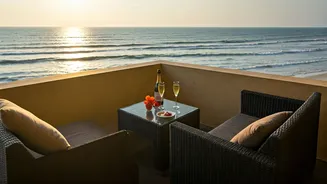
boutique villas that dot the coastline, this means empty rooms. To lure travelers, they slash their rates, sometimes by 50% or more. Suddenly, that luxurious property with the infinity pool overlooking the sea, the one that’s prohibitively expensive in December, becomes shockingly affordable. This isn't a bait-and-switch; it's the simple economics of supply and demand. For the value-conscious traveler, this is the ultimate arbitrage opportunity—a chance to experience world-class hospitality for a fraction of the peak-season price.
A Greener, Quieter World
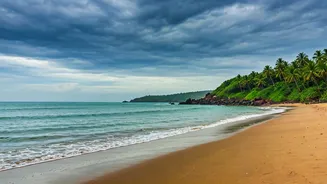
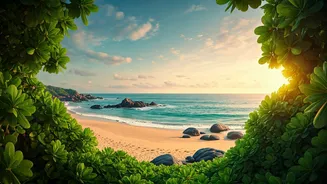
The price may get you to look, but the atmosphere is what will make you fall in love. The monsoon rain washes the dust from the air and transforms the landscape into an impossible spectrum of greens. The rice paddies become fluorescent, the forests dense and fragrant, and the waterfalls, which are mere trickles in the dry season, thunder back to life. The Goa you experience isn't the sun-baked, sometimes-parched landscape of postcards; it’s a living, breathing, tropical ecosystem at its most vibrant. The vibe shifts from frantic to serene. The frenetic energy of party hubs like Baga and Calangute mellows into a quiet hum. You’ll find more space on the roads, more peace in the cafes, and a more authentic, local rhythm to daily life.
So, What’s the Catch?
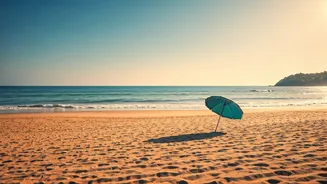
It’s called the monsoon for a reason. It will rain. Sometimes this means a dramatic, hour-long downpour in the afternoon, but it can also mean days of persistent, heavy drizzle. If your dream vacation is contingent on getting a tan and spending eight hours a day on a beach towel, this is not the trip for you. The Arabian Sea becomes rough and choppy, making swimming dangerous and often prohibited. Many of the famous temporary beach shacks, which are the heart of Goa’s social scene in winter, are dismantled and packed away to protect them from the storms. You're trading the quintessential beach-bum experience for something entirely different.
What You’ll Do Instead
Instead of mourning the loss of the beach shacks, you embrace a different itinerary. This is the perfect time to rent a car or scooter and explore the hinterland. Visit a spice plantation like Sahakari Spice Farm, where the rain enhances the heady aromas of cardamom, vanilla, and black pepper. Delve into Goa’s rich history by exploring the magnificent, rain-streaked Portuguese churches and cathedrals of Old Goa, a UNESCO World Heritage site. Wander the colorful, narrow lanes of Panjim’s Latin Quarter, Fontainhas. The monsoon is also a time of unique local festivals, like São João (the fertility feast of St. John the Baptist) in late June, where villagers jump into wells and streams to celebrate the coming rains. Or, simply do what the locals do: find a cozy café or a bar with a good view, order a hot chai or a cold Kingfisher beer, and watch the world get washed clean.
The Smart Traveler's Playbook
To make the most of a monsoon trip, a little planning goes a long way. When booking your discounted hotel, prioritize properties with excellent amenities. A beautiful pool is great, but a hotel with a top-notch spa, a great restaurant, a game room, or private balconies with covered seating is even better. Pack light, quick-drying clothes, a solid rain jacket, and waterproof footwear—leave the suede shoes at home. Strong mosquito repellent is non-negotiable. Most importantly, adjust your mindset. This isn't a trip for a packed, minute-by-minute itinerary. It’s a trip for sleeping in, reading a book on a covered porch, taking leisurely drives, and embracing a slower, more romantic pace.