


From Doghouse to Design Piece
For generations, a pet’s dedicated space was purely functional: a crate for training, a bed for sleeping, or a doghouse to weather a storm. But that's changing. Enter the 'pet condo'—a term for a new breed of custom-built, high-design enclosures that are
as much about aesthetics as they are about animal comfort. These aren't just fancy kennels; they are thoughtfully integrated pieces of furniture or even standalone backyard structures. This trend reflects a major shift in pet ownership, where providing for a pet's psychological and sensory needs is considered just as important as feeding and walking them. It’s the ultimate expression of the 'pets are people, too' mindset, translating our own desire for comfortable, beautiful, and healthy living spaces to our four-legged companions.
What Is Biophilic Design, Anyway?
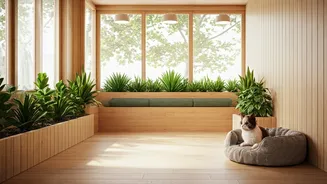
At the heart of this trend is 'biophilic design,' a concept that might sound complex but is actually quite simple. The term, popularized by biologist E.O. Wilson, is based on the idea that humans have an innate tendency to seek connections with nature. In architecture, this translates to using natural light, providing views of the outdoors, incorporating natural materials like wood and stone, and including plant life. When applied to pet habitats, it means creating an environment that mimics an animal’s natural instincts. This could be a cat tree made from real branches, a dog enclosure with a view of the yard from a comfortable, shaded perch, or the use of non-toxic, pet-safe plants to improve air quality and provide sensory enrichment. It’s about designing a space that doesn’t just contain an animal, but actively nurtures its well-being.
The Underrated Power of Fresh Air
The other half of the equation is natural ventilation. We’ve all experienced the stuffiness of a closed room, and the same principle applies to our pets' spaces. A poorly ventilated crate or room can trap odors, allergens, and moisture, potentially contributing to respiratory issues and discomfort. Modern pet condos address this with clever design choices. Instead of solid walls, you might see slatted wood panels, perforated metal screens, or strategically placed openings that allow for constant, gentle airflow. This passive system keeps the air fresh without creating uncomfortable drafts. For an animal whose primary sense is smell, a steady stream of fresh air also provides crucial mental stimulation, bringing in the fascinating scents of the outside world—the neighbor’s barbecue, a passing squirrel, or the hint of rain—all from the safety of their own space.
Putting It All Together
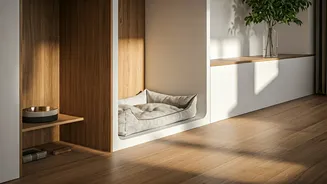
So, what does one of these modern pet condos actually look like? Picture a sleek, minimalist structure in the corner of a living room, built from light-colored birch plywood that matches the home’s furniture. One side might be slatted to allow for airflow and a partial view, while another has a large, low window perfect for a snoozing cat to watch birds. Or imagine a backyard 'catio' (a patio for cats) with a protected walkway leading from the house, multiple levels for climbing, and a partial green roof planted with catnip and wheatgrass. These designs prioritize durable, non-toxic, and easy-to-clean materials. They are built with the animal's perspective in mind, providing cozy, den-like spaces for security alongside open, stimulating areas for observation.
More Than Just a Luxury Trend
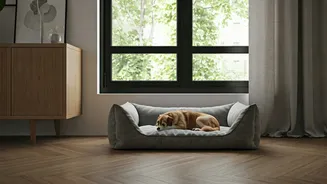
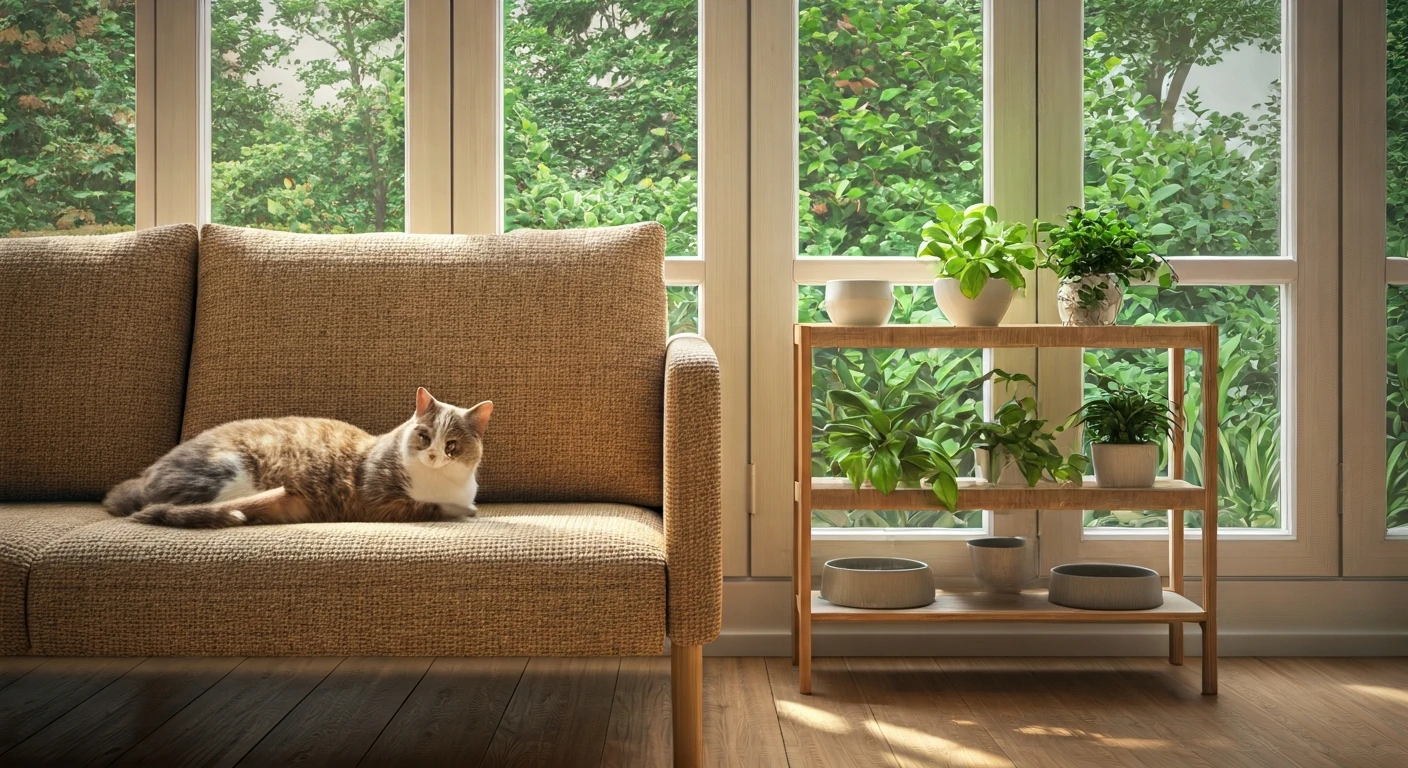
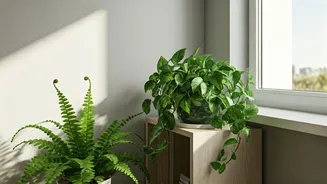
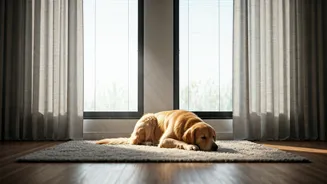
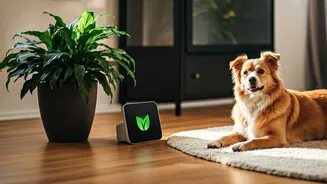
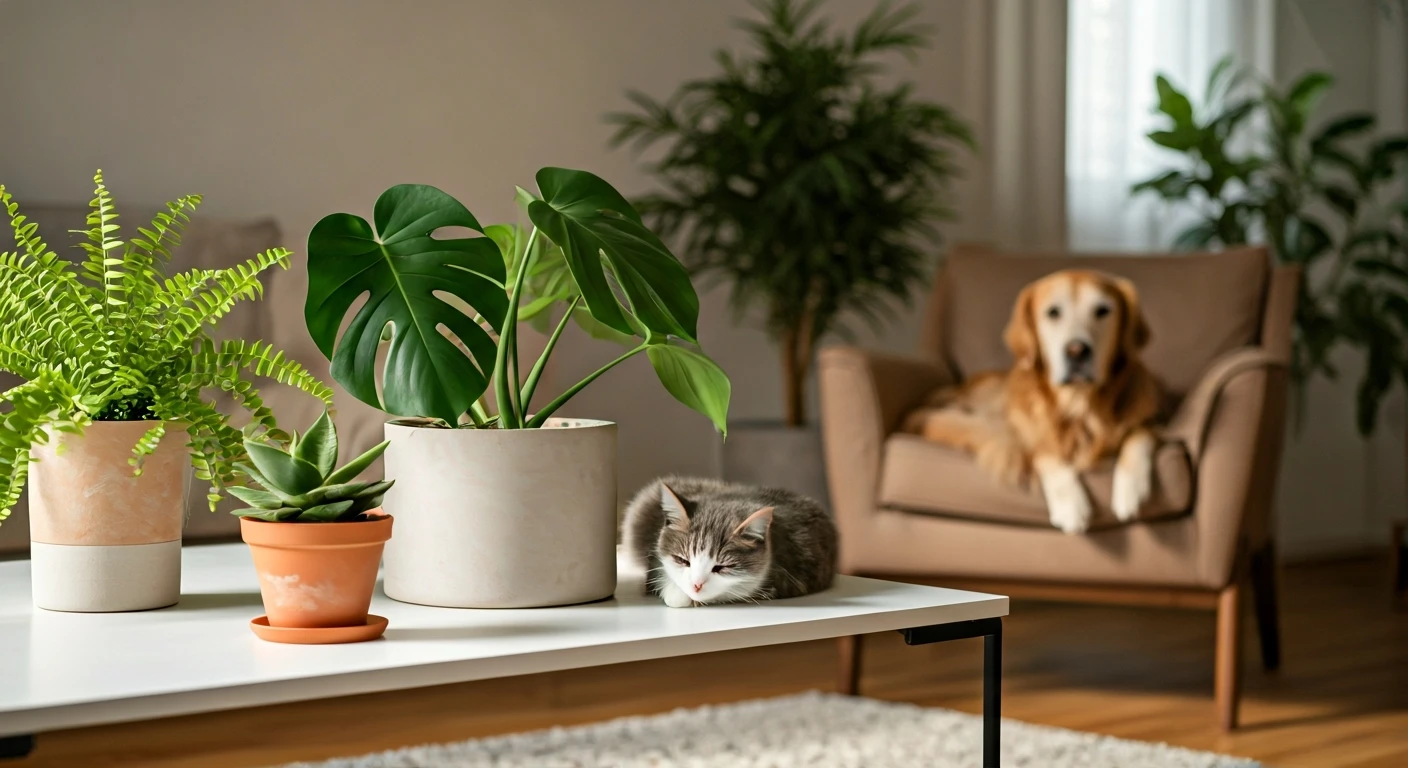
While the idea of a custom-built 'condo' for your pet might seem like an extravagance reserved for the ultra-wealthy, the core principles are accessible to everyone. You don't need an architect to improve your pet's environment. The key takeaway is to think about their space with intention. Does your dog’s bed have a view of anything other than a wall? Is your cat’s litter box in a well-ventilated area? You can incorporate biophilic design simply by placing their favorite snoozing spot near a secure window with a sunbeam. You can improve air quality by opening windows daily or using an air purifier. Choosing toys made from natural materials or adding a pet-safe plant like a spider plant or parlor palm to a room can provide a small, tangible connection to nature. This trend isn't just about spending money; it's about empathy-driven design.