



The Great Dieting Reset
For decades, the dominant approach to “healthy eating” in America was centered on one thing: weight loss. We counted calories, demonized fat, cut carbs, and stepped on the scale with bated breath. But a quiet revolution has been brewing, and it’s about
to go mainstream. We’re finally shifting our focus from what we can take away from our plates to what we can add to them. This isn’t just a fleeting fad; it’s a fundamental change in our collective understanding of health. The new paradigm sees the body not as a simple machine of calories in, calories out, but as a complex, interconnected ecosystem. The goal is no longer just to be thin, but to be resilient, energized, and robust. And the control center for this new approach isn't the scale—it's your gut.
Meet Your Microbiome
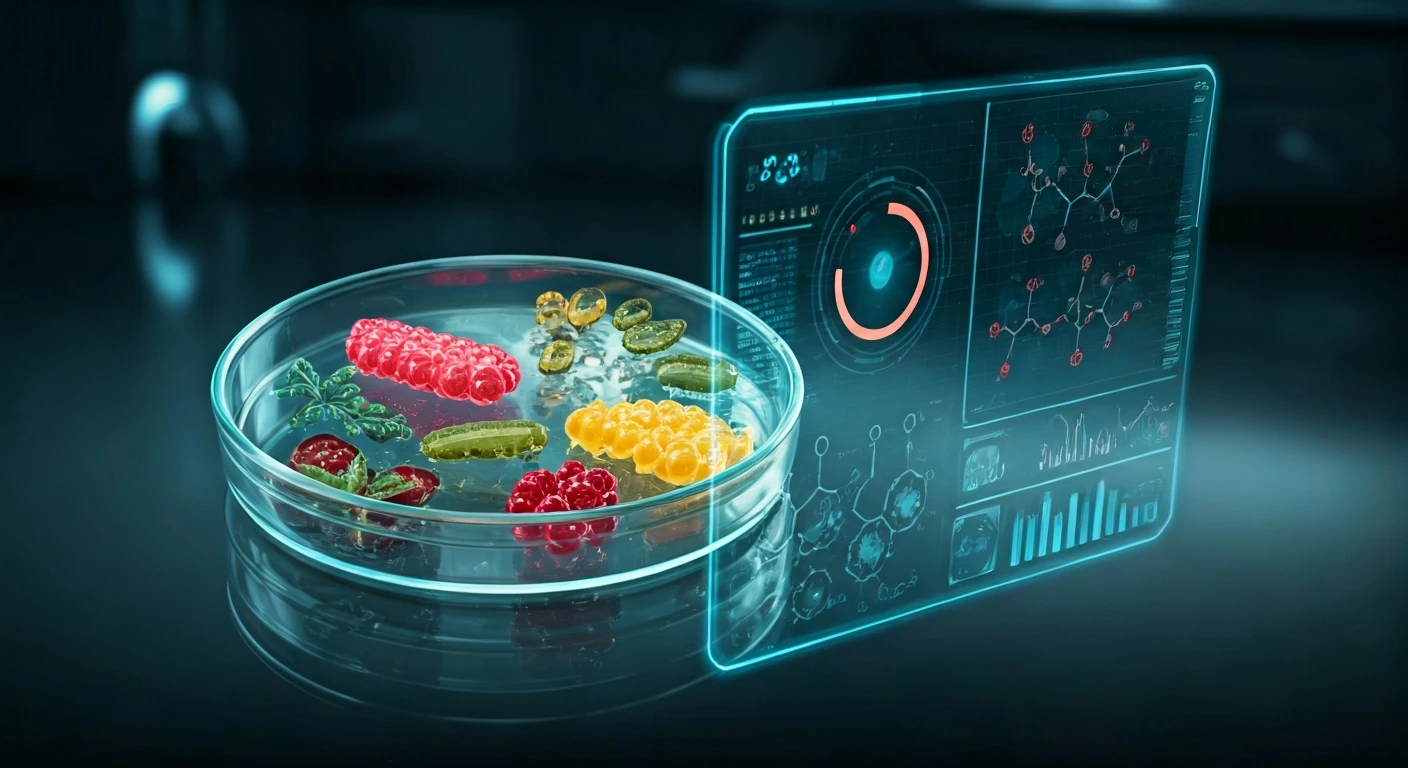
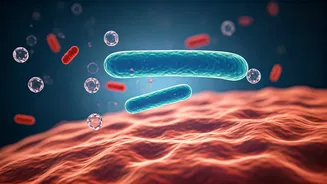
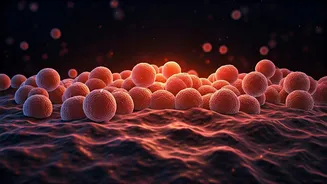
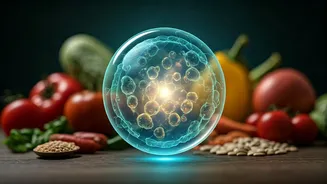
If you’re not already hearing the term “gut microbiome” everywhere, you will be. Think of it as a bustling metropolis of trillions of bacteria, fungi, and other microbes living primarily in your large intestine. For years, we thought of bacteria as universally bad, but science now shows that a diverse and balanced gut microbiome is critical for nearly every aspect of your health. It helps digest food, produce essential vitamins, regulate hormones, and, crucially, train and manage your immune system. An unhealthy, imbalanced gut has been linked to everything from digestive issues and mood disorders to chronic inflammation. The new thinking is simple: feed your gut well, and it will take care of you. This makes your grocery list less of a rulebook and more of a toolkit for cultivating your internal garden.
The Gut-Immunity Superhighway
The connection between a balanced gut and a strong immune system is the engine driving this entire trend. Roughly 70% of your immune system resides in your gut. The good bacteria in your microbiome act as gatekeepers, helping to form a strong intestinal barrier that prevents harmful pathogens from entering your bloodstream. They also communicate with immune cells, teaching them to distinguish between friend and foe. In a post-pandemic world, consumer interest in immune health has skyrocketed. People are no longer willing to wait until they get sick to think about their defenses. They want to be proactive, and food is the most accessible way to do it. This desire for “food as medicine” is pushing products that promise immune support and gut balance from the niche wellness aisle to the front of the grocery store.
The 2026 Pantry
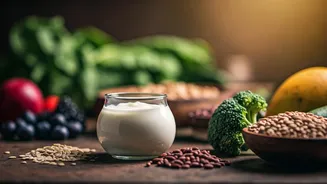
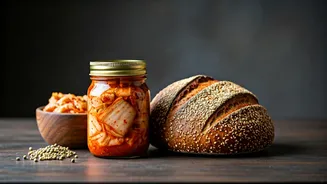
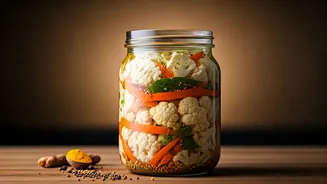
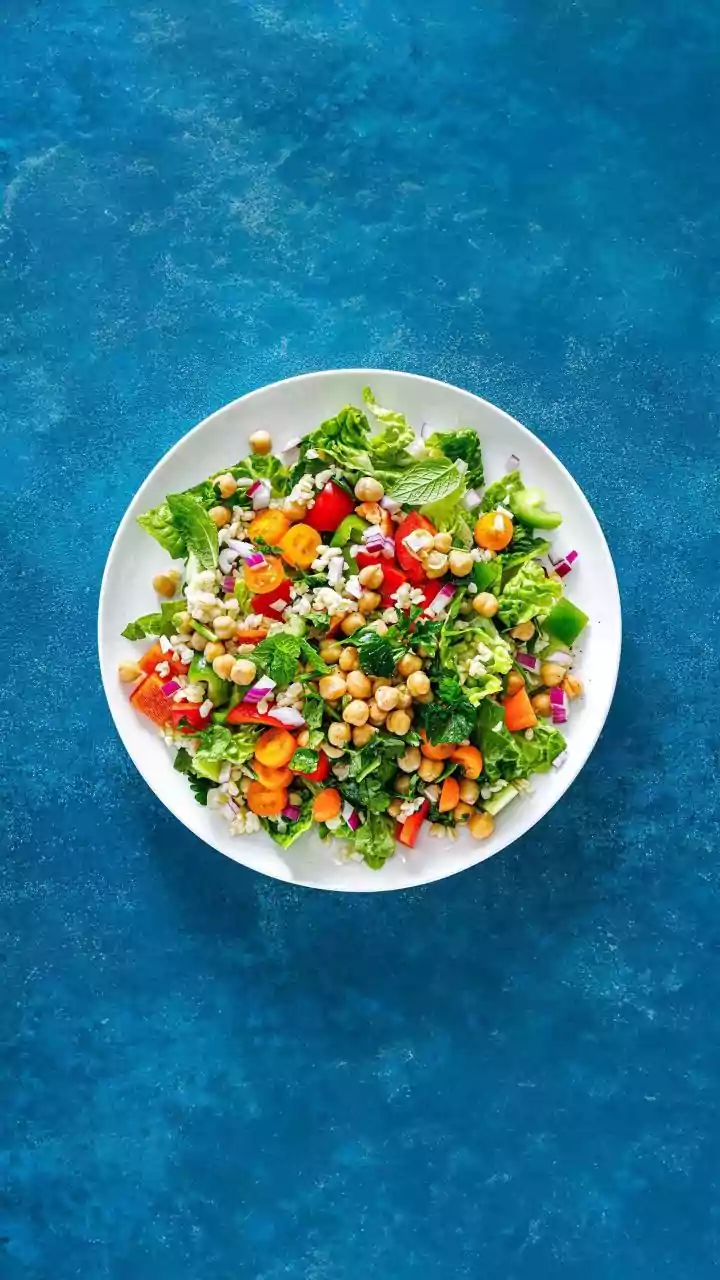
So, what will this look like on your plate? It’s less about exotic superfoods and more about embracing categories of foods that nourish your gut bacteria. Fermented foods will continue their rise, with kimchi, kefir, kombucha, and high-quality yogurts becoming staples. These are sources of probiotics—the “good” live bacteria. Equally important are prebiotics, which are essentially food for your good bacteria. Think high-fiber foods like garlic, onions, asparagus, bananas, and whole grains. You’ll also see a major emphasis on polyphenols—antioxidant compounds found in brightly colored plants like berries, as well as in dark chocolate, green tea, and olive oil. These compounds not only fight inflammation but also promote the growth of beneficial gut microbes. Expect to see “functional” foods and beverages fortified with prebiotics and probiotics becoming the norm, from sodas to snack bars.
Beyond the Plate
This trend extends far beyond your kitchen. Restaurants will increasingly highlight menu items with gut-friendly ingredients. The supplement industry will continue to boom, but with more sophisticated, synbiotic formulas that combine prebiotics, probiotics, and even postbiotics (the beneficial compounds produced by microbes). We’ll also see the rise of personalized nutrition services that use at-home testing to analyze your unique microbiome and provide tailored dietary recommendations. The era of one-size-fits-all dieting is officially over, replaced by a personalized, science-backed approach to building health from the inside out.