


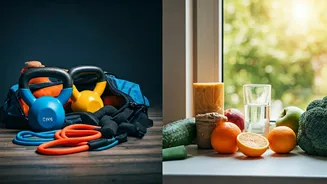
The 'No Pain, No Gain' Hangover
Remember when every new workout trend seemed designed to break you? For years, the most visible parts of the fitness industry were dominated by high-intensity interval training (HIIT), grueling bootcamp classes, and the aspirational but punishing world
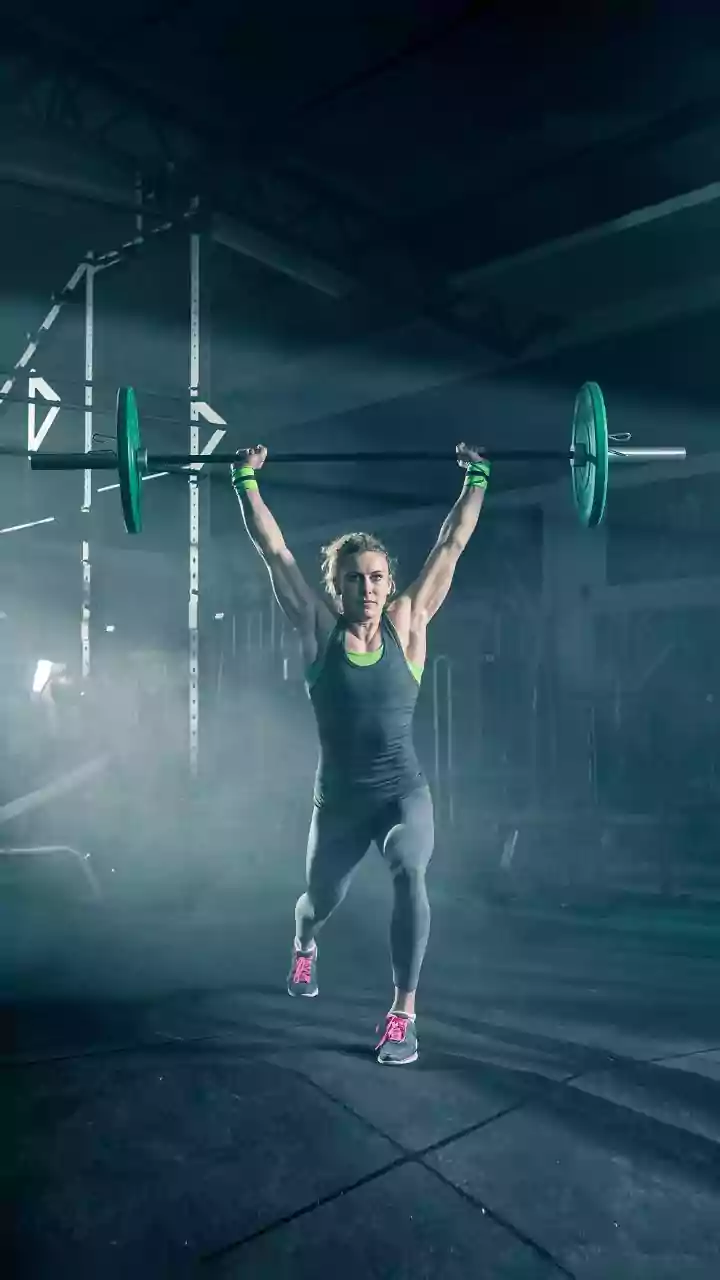
of elite-level athletic training. The message, implicit or explicit, was that if you weren’t gasping for air, drenched in sweat, and sore for days, you weren’t doing it right. This created a huge barrier to entry for millions of Americans. It wasn’t just about physical ability; it was about a culture that celebrated extremes and often ignored the vast majority of people who simply wanted to move their bodies without feeling defeated. This ethos, amplified by social media feeds filled with chiseled abs and record-breaking lifts, left many feeling that fitness wasn't for them.
What 'Beginner-Friendly' Really Means
The new wave of beginner-friendly fitness isn't just about 'easy' workouts. It's a fundamental redefinition of what it means to be active. At its core, this movement prioritizes accessibility, sustainability, and mental well-being over peak performance and aesthetics. It includes low-impact activities like walking (and its trendy cousin, the 'walking pad' desk setup), restorative yoga, and light strength training with a focus on form. The emphasis is on meeting your body where it is on any given day. This approach celebrates consistency over intensity. Instead of one brutal workout a week, the goal might be 15-20 minutes of enjoyable movement every day. It’s a philosophy that sees exercise as a form of self-care, not self-punishment, and acknowledges that building a long-term habit is more valuable than a short-term, unsustainable blitz.
Why the Shift Is Happening Now
Several cultural currents are feeding this trend. The pandemic was a major catalyst, shifting focus from public gym performance to private, at-home wellness. Many people started moving for mental health and stress relief rather than aesthetic goals. Simultaneously, a broader cultural conversation around body positivity and body neutrality has challenged the narrow, often unattainable physical ideals once promoted by the fitness industry. Social media, once a driver of intimidating 'fitspiration,' has also become a platform for a new kind of influencer. On platforms like TikTok, trends like 'cozy cardio'—doing gentle exercise while watching TV—have gone viral, proving there’s a massive audience for a more relaxed approach. Finally, the market has matured. Fitness brands and app developers are realizing there’s a larger, more sustainable customer base in the everyday person than in the elite athlete.
Finding Your Fit in the New Landscape
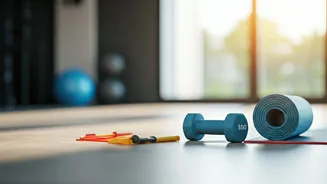
For anyone who has felt intimidated by fitness in the past, this is an incredibly welcoming moment. The new landscape is full of options designed to build you up, not tear you down. When looking for a class or program, watch for inclusive language. Instructors who offer modifications, encourage listening to your body, and focus on how movement *feels* rather than how it *looks* are hallmarks of this new approach. Many popular fitness apps are now built around this philosophy, offering vast libraries of short, low-impact workouts that can be done at home with minimal equipment. The best way to start is to give yourself permission to do less. Try a 10-minute guided stretch, a 20-minute walk, or a few simple bodyweight exercises. The goal isn't to conquer a workout; it’s to build a positive relationship with movement, one gentle step at a time.