


Rule #1: Master Flavor, Not Just Calories
The single biggest shift is moving your focus from calorie counts to flavor creation. Any chef will tell you that truly satisfying food balances four key elements: salt, fat, acid, and heat. Instead of obsessing over a gram of fat, ask if your dish needs
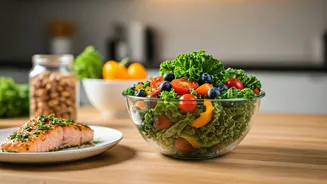
a squeeze of lemon (acid) to brighten it up. Instead of fearing salt, learn to use it properly to amplify the natural taste of your ingredients. A perfectly seasoned, roasted vegetable dish is infinitely more satisfying than a pile of steamed ones, making you less likely to crave junk food later. Fat, a crucial flavor carrier, can come from healthy sources like olive oil, avocado, or nuts. Heat isn't just about cooking; it's about technique. A hard sear on a piece of fish or a deep roast on carrots creates complex, craveable flavors that steaming can’t replicate.
Rule #2: Focus on Ingredient Quality
You don’t need a complicated, 30-ingredient recipe to eat well. In fact, the opposite is often true. When you start with high-quality, flavorful ingredients, you have to do very little to make them taste amazing. Think about the difference between a pale, watery winter tomato and a sweet, vibrant one at the peak of summer. The summer tomato needs nothing more than a pinch of salt and a drizzle of good olive oil. This principle applies across the board. Choosing seasonal vegetables from a local farmers market, buying bread from a real bakery, or using a flavorful, cold-pressed olive oil can transform a simple meal into a culinary experience. The new rule isn’t about buying fancy “health products”; it’s about buying better versions of real, whole foods.
Rule #3: Crowd Your Plate, Don’t Empty It
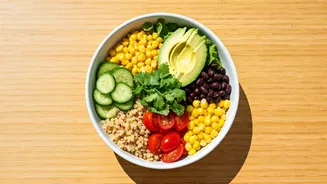
The old model of dieting was all about restriction and removal. The new, more effective, and far more pleasant approach is about addition. Instead of thinking, “I can’t have pasta,” think, “How can I crowd this pasta dish with delicious, healthy additions?” You can add a mountain of sautéed spinach and garlic, roasted cherry tomatoes, grilled chicken, and a sprinkle of fresh herbs. Suddenly, your pasta portion is more reasonable, and the entire dish is packed with nutrients and flavor. This “crowding out” method works for everything. Add a handful of greens to your morning eggs. Add a scoop of berries and nuts to your yogurt. By focusing on adding vibrant, delicious things, you naturally reduce your intake of less-healthy components without feeling deprived.
Rule #4: Use Herbs and Spices Generously
Herbs and spices are the unsung heroes of the healthy kitchen. They deliver a world of flavor for virtually zero calories and often come with their own health benefits. Too often, home cooks use a timid shake of dried oregano when a generous handful of fresh parsley, cilantro, or basil would completely transform the dish. Get comfortable with your spice rack. Cumin, smoked paprika, and coriander can create a deep, savory base for roasted vegetables or lean proteins. A pinch of chili flakes can add a welcome kick to almost anything. Don’t just follow recipes; experiment. Before you reach for more salt or a bottled sauce, ask yourself if a squeeze of lime and a bunch of fresh cilantro might do the trick. More often than not, it will.