
The Summer Vacation Meltdown
For generations of Americans, the formula was simple: save up, book flights to Italy or Greece for July, and enjoy two weeks of sun-drenched bliss. But that formula is breaking. The ‘sun-drenched’ part has been replaced by ‘surface-of-the-sun,’ with record-shattering
heatwaves making daytime sightseeing in Athens or Rome a dangerous endurance test. The Acropolis has been forced to close during peak hours, and wildfires have become a terrifyingly common travel advisory. Then there are the crowds. Post-pandemic ‘revenge travel’ has collided with the TikTok-fueled popularization of once-charming spots, turning quaint coastal villages into a single-file human traffic jam. Add in skyrocketing prices for flights, hotels, and even a simple plate of pasta, and the dream vacation starts to feel more like a costly, uncomfortable obligation. Plan A, the one we’ve been sold for decades, is officially buckling under the weight of its own popularity and a rapidly changing climate.
Enter the Off-Season Gambit
This is where the “Plan B sport” comes in. Faced with the collapse of the traditional peak season, savvy travelers are not canceling their plans; they’re changing the game. They are looking at the world map and asking a different question: where is it *not* scorching hot and overcrowded? The answer, increasingly, is monsoon-season destinations.
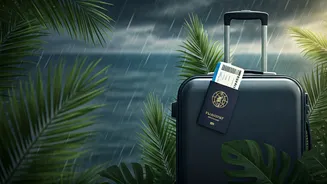
From June to October, while Europe bakes, Southeast Asia, India, and parts of Central America are deep into their rainy seasons. Historically, this has been the ‘off-season,’ a time travel agents would warn you away from, citing daily downpours and humidity. But what was once a deterrent is becoming a draw. It’s a strategic pivot away from the herd, a conscious trade-off for a different, and perhaps better, kind of travel experience. It’s an arbitrage play, betting against conventional wisdom to find value where others see inconvenience.
The Silver Linings Playbook
So, what’s the prize for playing this new sport? First, the crowds vanish. The tour buses clogging the roads to Angkor Wat in Cambodia thin out. The beaches of Thailand’s Andaman Coast, usually packed shoulder-to-shoulder, become quiet, personal spaces. You get the iconic sites without the frustrating human backdrop.
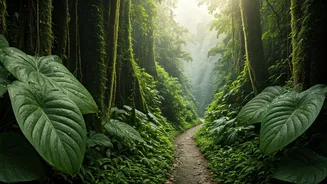
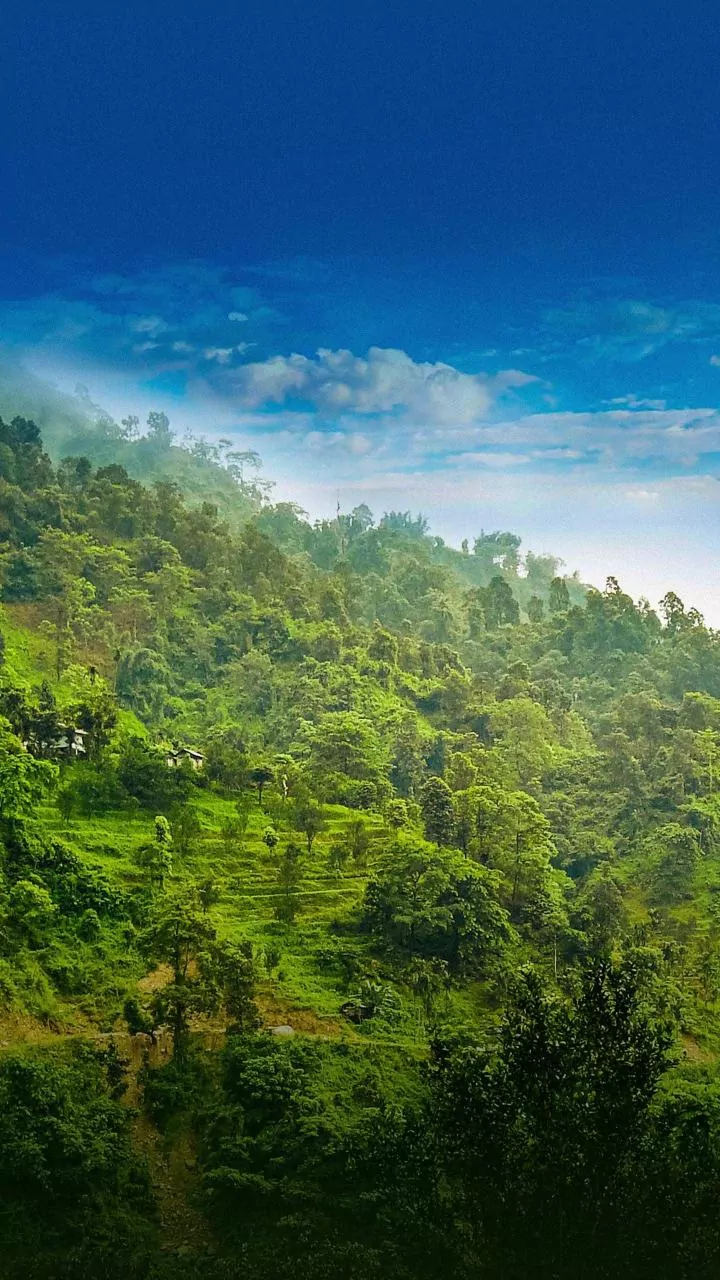
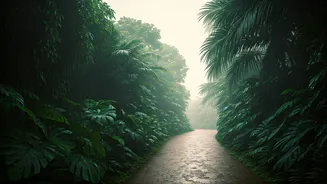
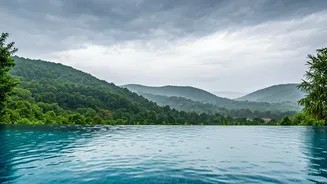
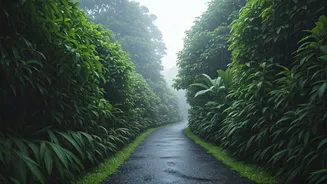
Second, the landscape transforms. The rain washes away the dust of the dry season, leaving behind a world saturated in impossible shades of green. Rice paddies become vibrant, shimmering mirrors, and waterfalls that were mere trickles in April become roaring spectacles. The daily downpour, often a predictable afternoon affair rather than an all-day washout, brings a dramatic, moody sky and a refreshing drop in temperature. It’s a photographer’s dream.
And, of course, there’s the price. With lower demand, flights are cheaper, and luxury hotels offer steep discounts. You can afford a longer stay, a nicer room, or more elaborate meals. Your travel dollar simply goes further, turning a budget trip into a surprisingly plush one.
A Reality Check for Competitors
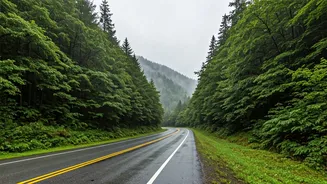
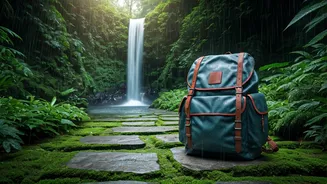
Before you book a one-way ticket to Phuket in August, it’s important to remember that this is a ‘sport’ for a reason—it requires skill and a certain tolerance for unpredictability. This isn't a vacation for the rigidly scheduled. The rain is real, and it can be intense. Ferry services between islands may be canceled due to rough seas. A remote rural road might become temporarily impassable. Humidity is not a suggestion; it’s a constant companion. You’ll need quick-dry clothing, waterproof bags for your electronics, and a healthy dose of flexibility.
Monsoon travel isn’t about trying to have a sunny beach vacation during the rainy season. It’s about embracing a different rhythm. It means cozying up in a cafe with a book during a downpour, taking a cooking class, or visiting indoor museums. It’s for the traveler who finds beauty in a cloud-covered temple, not just a sun-drenched one.