


From Sleeping Bags to Thread Counts
For generations, a trip into nature meant a willing sacrifice of creature comforts. It was a trade-off: stunning vistas for stiff backs, serene silence for the challenge of building a fire in the rain. That old social contract is being rewritten. The
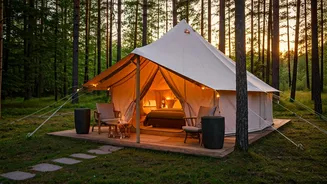
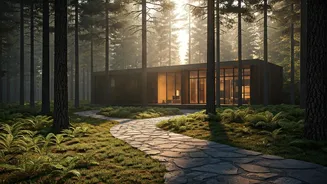
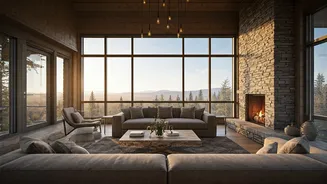
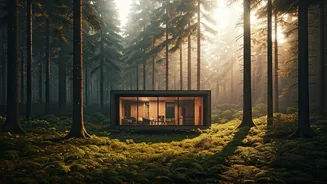
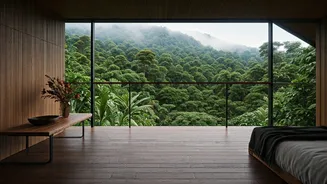
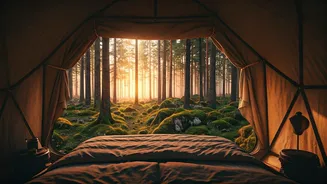
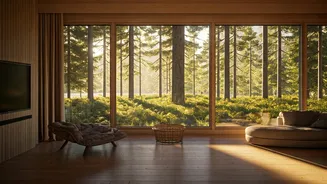
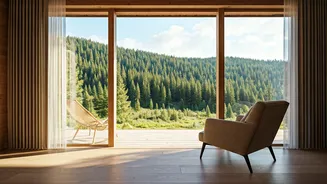
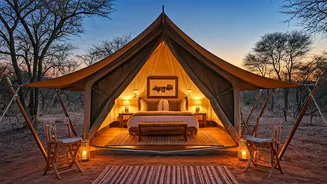
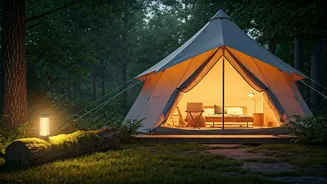
burgeoning trend, often bundled under the umbrella of “glamping” (glamorous camping), has exploded into a full-blown travel category that marries the soul-stirring beauty of the American wilderness with the amenities of a boutique hotel. We’re talking geodesic domes with panoramic windows overlooking a desert canyon, Airstream trailers with mid-century modern interiors parked beside a rushing river, and sprawling safari tents featuring hardwood floors, private bathrooms, and plush duvets. This isn't just about a nicer tent. It’s a fundamental rethinking of what it means to access the outdoors, where the accommodation is as much a part of the destination as the landscape itself.
The Great Outdoors, Upgraded
So, why the sudden shift away from rustic tradition? Several cultural currents are converging. First, the post-pandemic world supercharged our collective desire to disconnect from screens and reconnect with nature, but not everyone was ready to go full “Into the Wild.” The demand was for safe, controlled, and comfortable escapes. Second, the wellness movement has successfully rebranded nature as the ultimate spa. Time spent outdoors is no longer just for adrenaline junkies; it's prescribed for mental clarity and stress reduction. Luxury nature stays cater perfectly to this mindset, offering guided yoga, forest bathing, and farm-to-table dining as part of the package. Finally, there's the undeniable influence of social media. A stunningly designed cabin or a perfectly lit canvas tent is infinitely more Instagrammable than a standard pop-up, creating a powerful aspirational feedback loop that drives demand.
An Invitation for Everyone
Perhaps the most significant impact of this trend is its democratizing effect. Traditional backcountry camping requires a fair amount of specialized gear, physical fitness, and know-how, creating a barrier to entry for many. This new model of nature travel throws the doors open wide. Families with young children can experience the magic of the woods without the logistical nightmare. Older travelers can enjoy the grandeur of a national park without sleeping on the ground. Couples can plan a romantic getaway that feels both adventurous and indulgent. It’s also an answer for the “nature-curious”—those who love the idea of the great outdoors but are intimidated by its rugged demands. By removing the friction and the discomfort, these experiences provide a gentle on-ramp to appreciating the wild, potentially creating a new generation of environmental stewards who might have otherwise stayed home.
More Than Just a Fancy Tent
At its best, this movement is about more than just creature comforts; it’s about curation. The leading companies in this space, like Under Canvas and AutoCamp, don't just provide a bed. They provide a thoughtfully designed experience. Locations are chosen for their staggering beauty, often on the doorstep of iconic national parks. The experience is designed to foster a sense of community with communal fire pits and clubhouses, while still offering private retreats. Activities are often included, ranging from guided hikes and horseback riding to nightly s'mores and live music. It’s a holistic approach that focuses on eliminating the stress of planning and maximizing the joy of being there. The goal isn't to insulate you from nature but to mediate the experience, removing the hassles so you can fully immerse yourself in the wonder of your surroundings.